Introduction
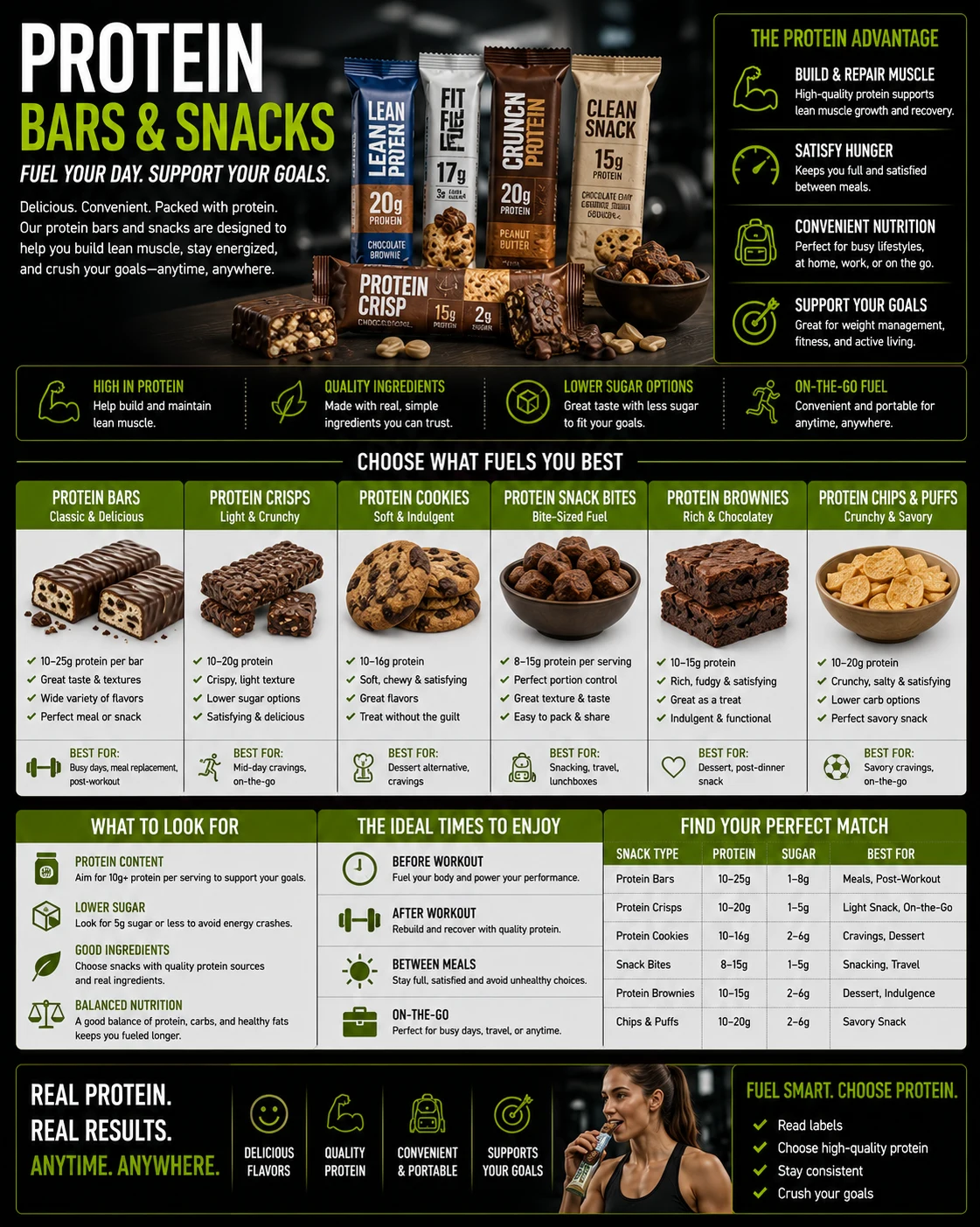
Protein bars can be useful for weight loss, but only if they fit your overall diet and calorie target. They are convenient, easy to carry and can help manage hunger between meals.
However, not every protein bar is suitable for weight loss. Some bars are high in calories, sugar or fats, so it is important to check the label before buying.
In this guide, we explain when protein bars can help with weight loss, when they may not be the best choice and what to look for when choosing protein bars for weight management.
Are protein bars good for weight loss?
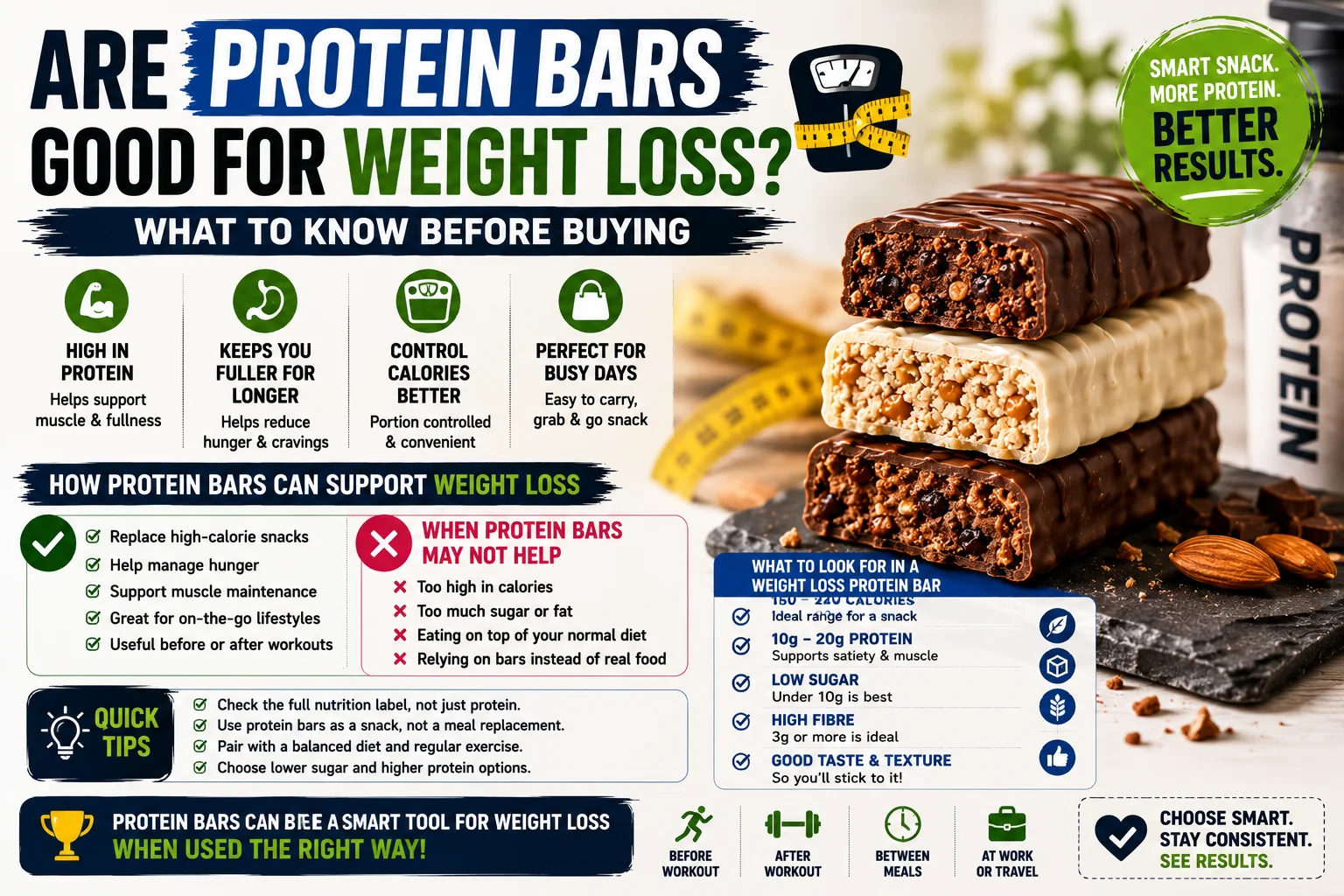
Protein bars can be good for weight loss if they help you control hunger, replace higher-calorie snacks and stay within your daily calorie target.
The key point is that protein bars do not cause weight loss by themselves. They only help if they support a calorie-controlled diet and make your routine easier to follow.
How protein bars may help with weight loss
Protein can help you feel fuller than many sugary snacks. A protein bar may reduce cravings and make it easier to avoid biscuits, chocolate bars, pastries or other higher-calorie snacks.
Protein bars are also portion-controlled, which can be useful if you struggle with snacking. Instead of guessing, you can see the calories, protein and sugar per bar.
When protein bars may not help weight loss
Protein bars may not help weight loss if they add extra calories on top of your normal meals and snacks. If you eat a protein bar without reducing calories elsewhere, it may slow progress.
Some bars are also calorie-dense. A bar may look healthy because it says “high protein”, but it can still contain a lot of calories, sugar or fat.
What to look for in protein bars for weight loss
When choosing protein bars for weight loss, look at calories, protein, sugar, fibre, taste and how filling the bar is. Do not choose only by protein content.
A good weight loss protein bar should provide enough protein to help with satiety, but not so many calories that it becomes more like a meal than a snack.
Calories matter most for weight loss
For weight loss, calories still matter. A protein bar can be useful, but only if it fits your daily calorie target.
If a bar contains too many calories, it may not be the best choice for weight loss, even if it has a good amount of protein.
Protein content matters too
Protein is useful because it can help support fullness and muscle maintenance during weight loss. This is especially important if you are also training in the gym or doing resistance exercise.
Choose a bar with a useful protein serving, but remember that more protein is not always better if the bar also contains too many calories for your goal.
Low sugar protein bars for weight loss
Low sugar protein bars can be helpful if you want a sweet snack with less sugar than a normal chocolate bar or cereal bar.
However, low sugar does not always mean low calorie. Some low sugar bars still contain calories from fats, sweeteners, nuts, coatings or fibre blends, so check the full nutrition label.
High fibre protein bars for weight loss
Some protein bars include fibre, which may help with fullness. A bar with protein and fibre can sometimes feel more satisfying than a bar that is mainly protein and sweet coating.
If you are not used to high-fibre bars, start carefully because some people may find certain fibre blends or sweeteners uncomfortable.
Protein bars vs normal snack bars for weight loss
Protein bars may be better than normal snack bars if they provide more protein, less sugar and better satiety. They can make it easier to avoid snacking again soon after eating.
But some protein bars are very similar to chocolate bars in calories. Always compare the nutrition rather than relying only on the word “protein”.
Protein bars vs protein shakes for weight loss
Protein shakes may be lower in calories than protein bars, especially if mixed with water. This can make them useful for people who want protein without many extra calories.
Protein bars may be more filling because they are solid food. If you prefer chewing and want a snack replacement, a bar may work better than a shake.
Can protein bars replace meals?
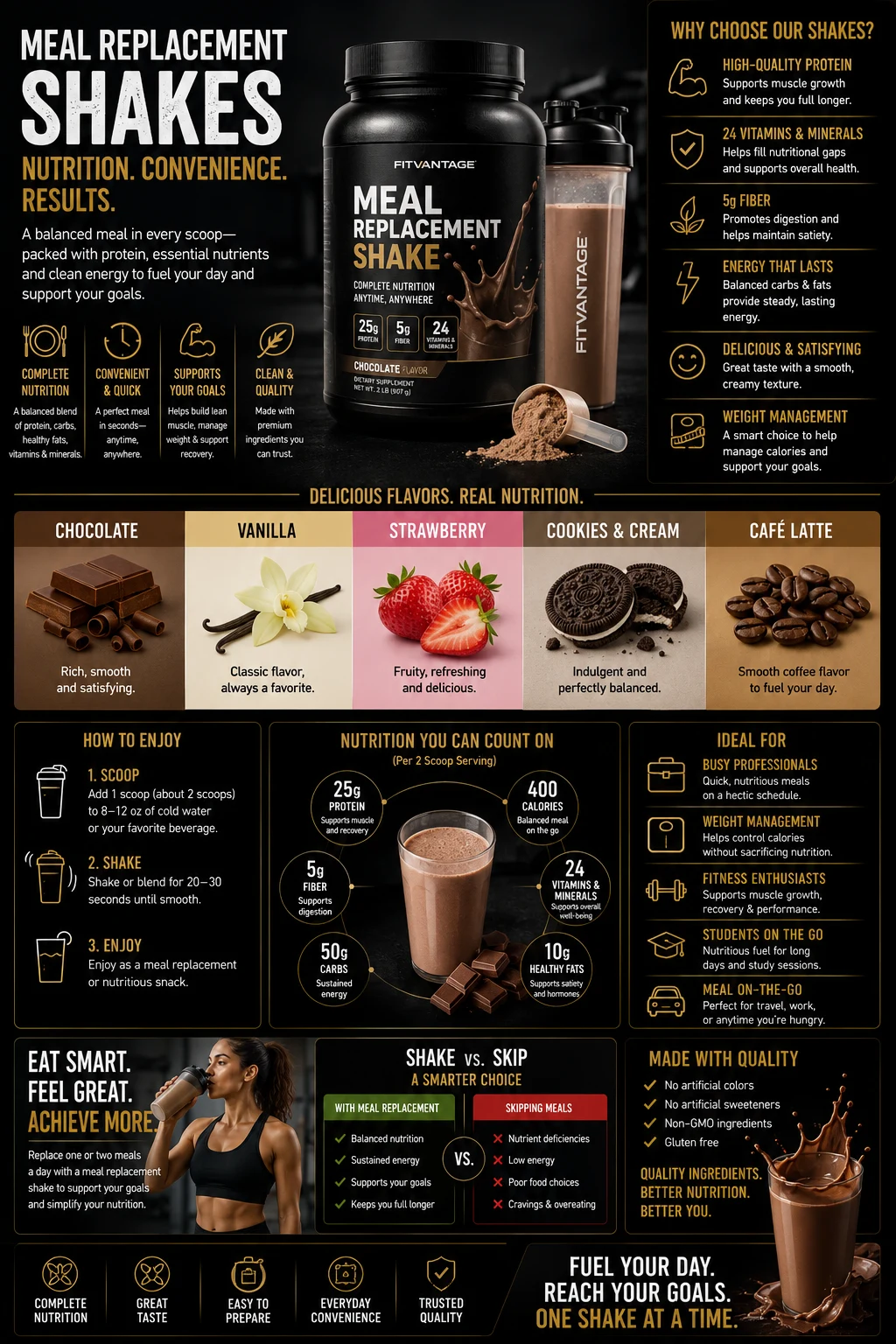
Most protein bars are better used as snacks rather than full meal replacements. Some meal replacement bars are designed to be more filling, but many standard protein bars do not provide enough balanced nutrition for a full meal.
If you use a protein bar instead of a meal, check whether it gives enough calories, protein, fibre and nutrients for your needs.
Best time to eat protein bars for weight loss
The best time to eat a protein bar is when it helps you avoid overeating. This might be between meals, before the gym, after training or during a busy workday.
There is no magic timing. The most important thing is how the bar fits into your total daily calories and protein intake.
Are protein bars good before workouts?
Protein bars can be useful before workouts if you need a small snack and do not want to train hungry. They can be convenient when travelling to the gym or training after work.
If you are eating close to exercise, choose a bar that feels comfortable and is not too heavy for your stomach.
Are protein bars good after workouts?
Protein bars can be useful after workouts if you need protein and do not have time for a proper meal. They are easy to carry and can help support your daily protein intake.
After training, a bar is not essential if you are going to eat a balanced meal soon. It is mainly a convenience option.
How often should you eat protein bars for weight loss?
Some people eat protein bars daily, while others use them only when busy. Both approaches can work if the bars fit your calories and nutrition goals.
It is usually better not to rely on protein bars as your main food source. Whole foods should still make up most of your diet.
Common mistakes when using protein bars for weight loss
One common mistake is adding protein bars without reducing other snacks or calories. This can turn a helpful snack into extra calories.
Another mistake is assuming all high-protein bars are healthy. Some bars are high in calories, sugar alcohols, fats or coatings, so the label matters.
Who should be careful with protein bars?
People with allergies, digestive sensitivity or specific dietary needs should check ingredients carefully. Protein bars may contain milk, soy, nuts, gluten, sweeteners or fibre blends.
If you have a medical condition or follow a specific diet, choose products that match your needs and seek professional advice if unsure.
Final thoughts
Protein bars can be good for weight loss when they help control hunger, replace higher-calorie snacks and fit your daily calorie target.
The best protein bars for weight loss are usually lower in sugar, reasonable in calories, satisfying and high enough in protein to be useful. They should support your diet, not replace balanced eating completely.