Introduction
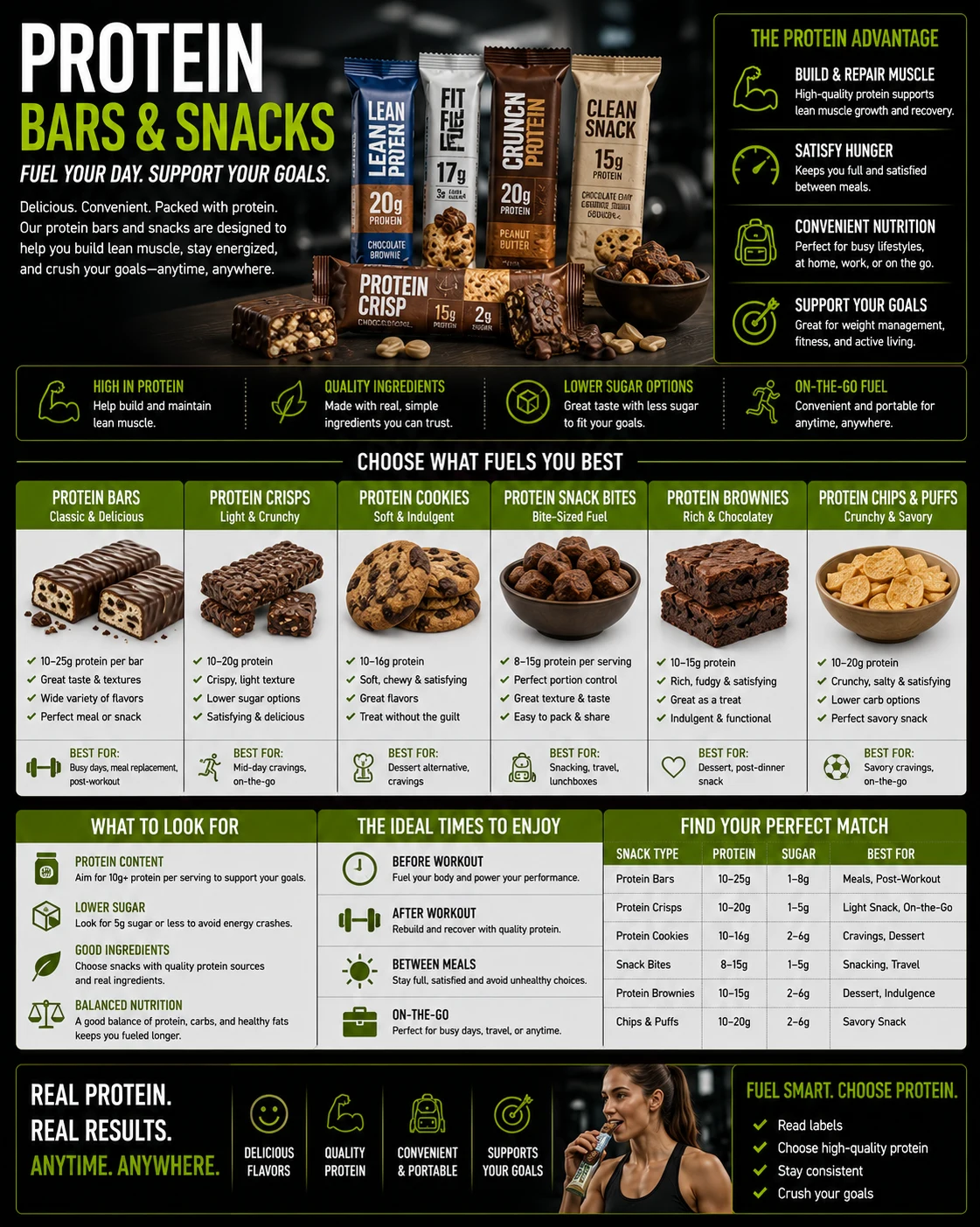
Protein bars can be useful for beginners who want a simple way to increase protein intake without preparing shakes or full meals. They are convenient, portable and easy to use around gym training, work, travel and busy days.
The best protein bars for beginners should be easy to understand, good-tasting and suitable for your goal. You do not need the most expensive or complicated bar when you are starting out.
In this guide, we explain what beginners should look for when buying protein bars in the UK and how to choose a simple option for gym training, weight management, muscle support and everyday fitness.
What are protein bars?
Protein bars are snack bars designed to provide more protein than many normal snack bars, cereal bars or chocolate bars. They often contain protein from whey, milk protein, soy protein, pea protein or other protein blends.
Some protein bars are made for sports nutrition, while others are designed as everyday high-protein snacks. The nutrition can vary a lot, so beginners should check the label before buying.
Should beginners use protein bars?
Beginners can use protein bars if they help make protein intake easier. They can be useful before training, after workouts, between meals or during busy days when preparing food is difficult.
However, protein bars are not essential. They are a convenience tool, not a requirement. Balanced meals and total daily protein intake matter more than any single snack.
Who should buy beginner protein bars?
Beginner protein bars can be useful for people starting gym training, improving their diet, trying to manage hunger, building simple fitness habits or increasing protein intake.
They may also be useful for students, busy workers, commuters and people who want a better snack option than biscuits, chocolate bars or sugary snacks.
What to look for in protein bars for beginners
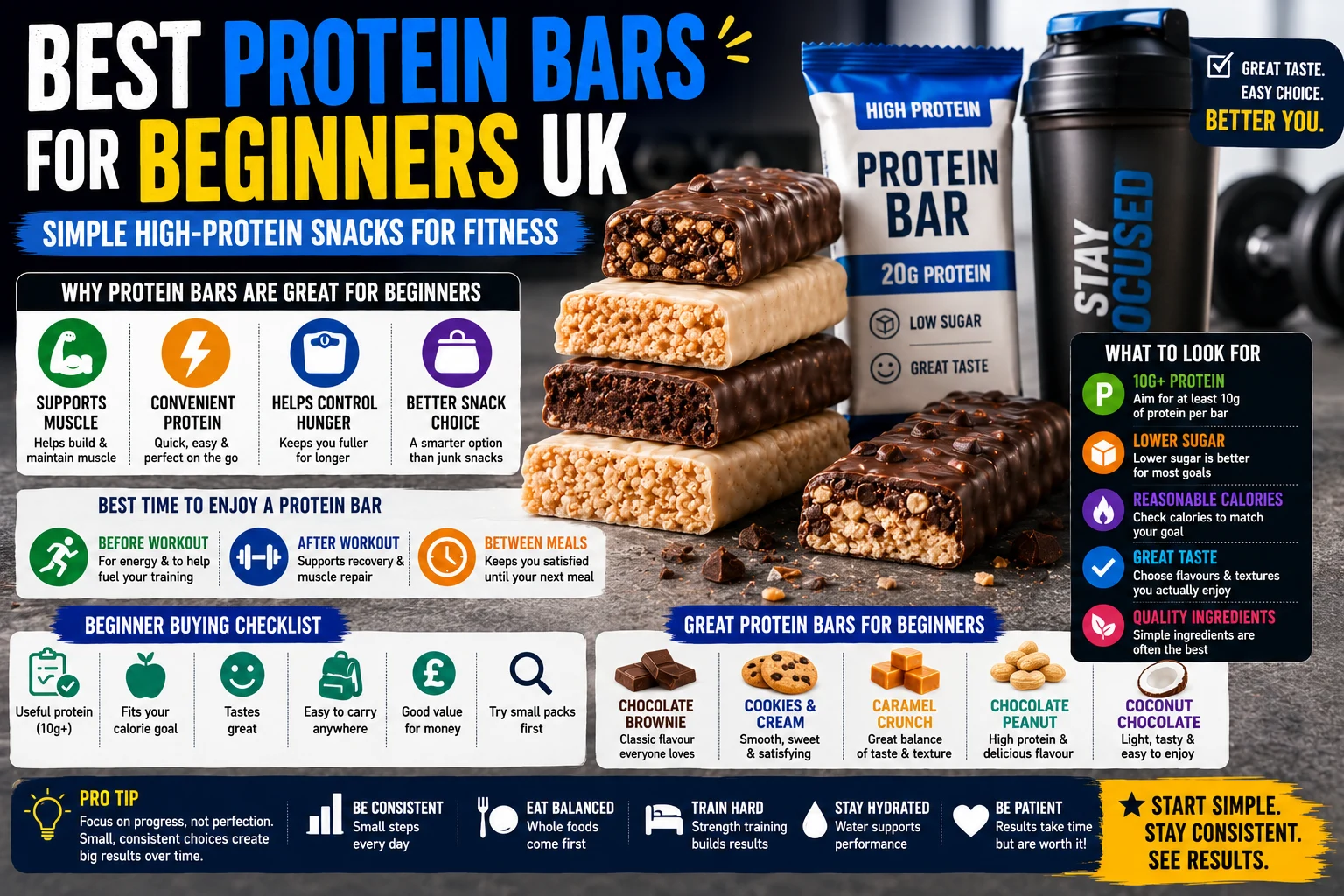
When choosing protein bars as a beginner, look at protein content, calories, sugar, taste, texture, ingredients and value. A good beginner bar should be simple, enjoyable and easy to fit into your routine.
You do not need a bar with the highest protein number. A balanced bar with useful protein, reasonable calories and good taste is often a better starting point.
Best protein bars for beginner gym training
For beginner gym training, choose a protein bar that helps support your daily protein intake without making your diet complicated. It can be useful after a workout or as a snack before training.
If you are new to training, focus on consistency first. A protein bar can help, but regular workouts, balanced meals and good sleep are more important.
Best protein bars for beginner weight management
For weight management, beginners should choose protein bars with reasonable calories, useful protein and lower sugar. A protein bar can help if it replaces a higher-calorie snack and keeps you fuller for longer.
However, a protein bar can slow progress if it adds extra calories on top of your normal diet. Always check calories as well as protein.
Best protein bars for beginner muscle gain
For muscle gain, beginners need enough protein, enough calories and consistent strength training. Protein bars can help if they make it easier to reach daily protein and calorie targets.
If you struggle to eat enough during the day, a protein bar can be a useful extra snack. If you are already eating enough protein, it may not be necessary.
Best low-sugar protein bars for beginners
Low-sugar protein bars can be a good starting point if you want a sweet snack with less sugar than a normal chocolate bar or cereal bar.
Lower sugar does not always mean low calorie, so beginners should still check the full nutrition label. Some low-sugar bars use sweeteners or fibre blends, which may not suit everyone.
Best cheap protein bars for beginners
Cheap protein bars can be a sensible choice for beginners because you may not know yet which flavours, textures or brands you prefer.
Multipacks can offer better value, but try a smaller pack first if possible. A large box is not good value if you dislike the taste or texture.
Protein bars vs protein shakes for beginners
Protein bars and protein shakes can both help beginners increase protein intake. Protein bars are more portable and feel like a snack, while protein shakes are usually quicker and may be better value per serving.
If you want something easy to carry, choose a bar. If you want quick protein after training and already have a shaker, a shake may be better.
Protein bars vs normal snacks for beginners
Protein bars usually provide more protein than normal snack bars, biscuits or chocolate bars. This can make them more filling and more useful for fitness goals.
However, some protein bars are still high in calories or sugar, so beginners should compare the nutrition label instead of relying only on the word protein.
When should beginners eat protein bars?
Beginners can eat protein bars when they fit the routine. This could be before training, after workouts, between meals, during work or while travelling.
There is no perfect time. The most important thing is your total daily protein, calories and consistency.
Can beginners eat protein bars every day?
Beginners can eat protein bars every day if they fit their diet, calories and protein target. For many people, one bar on busy days or training days can be useful.
However, it is better not to rely on protein bars as your main protein source. Most of your nutrition should still come from normal meals and whole foods.
How many protein bars should beginners eat?
Most beginners only need one protein bar when it is useful. Eating several protein bars every day may be unnecessary and can add extra calories quickly.
If you feel you need multiple bars daily, it may be worth improving your meals first and using bars only as support.
Common mistakes beginners make with protein bars
One common mistake is assuming protein bars automatically build muscle or cause weight loss. They only help if they fit your wider training and nutrition plan.
Another mistake is choosing a bar only because it has high protein. Calories, sugar, taste, texture and digestion also matter.
Simple beginner buying checklist
Beginners should choose a protein bar that tastes good, provides useful protein, fits their calories, is easy to carry and does not feel too heavy to digest.
It is also sensible to start with smaller packs before buying large multipacks. This helps avoid wasting money on a flavour or texture you do not enjoy.
Final thoughts
The best protein bars for beginners are simple, convenient and suitable for your goal. They can help with gym training, weight management, muscle support and busy routines.
Start with a bar that provides useful protein, reasonable calories and good taste. Use protein bars as a helpful snack, not as a replacement for balanced meals and consistent training.