Introduction
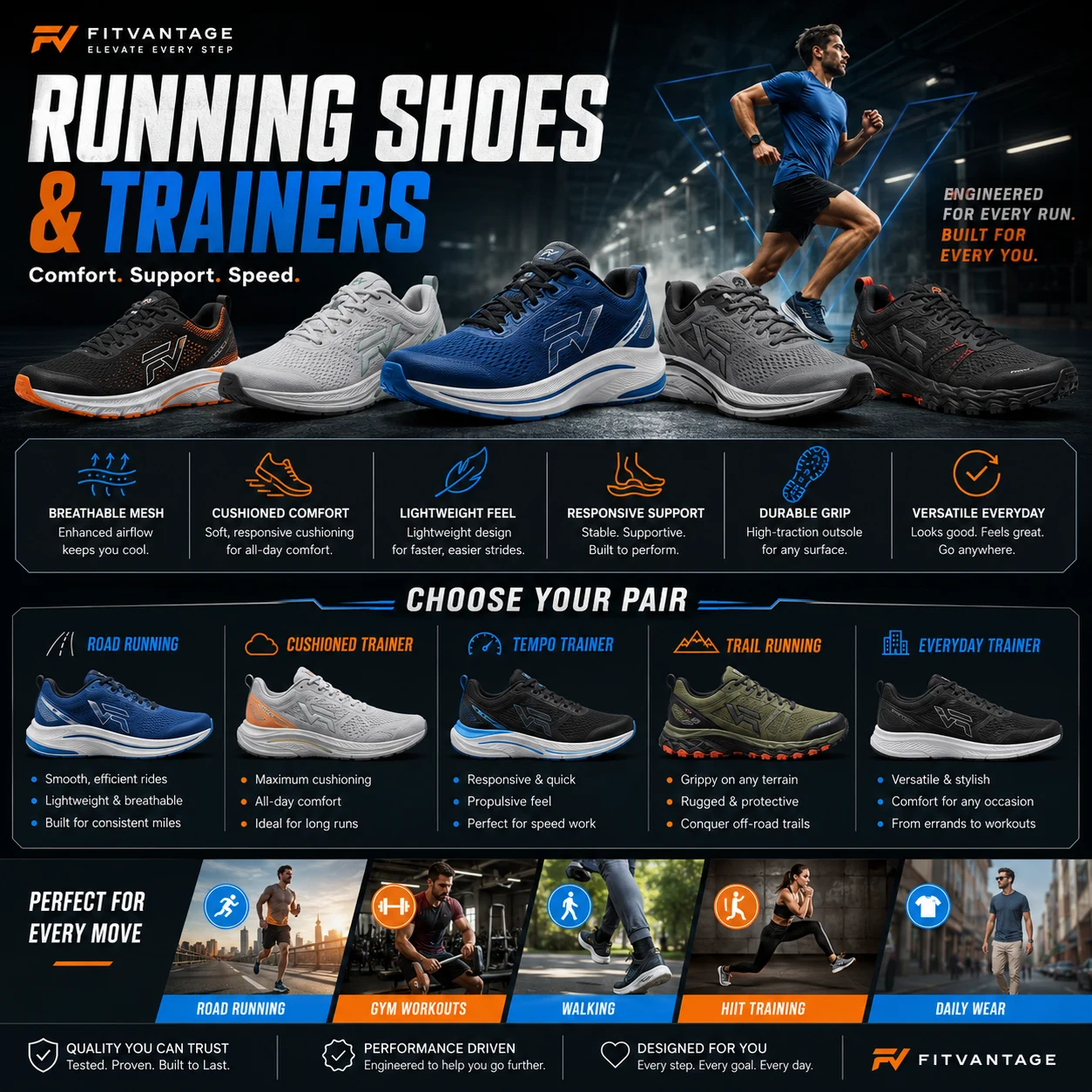
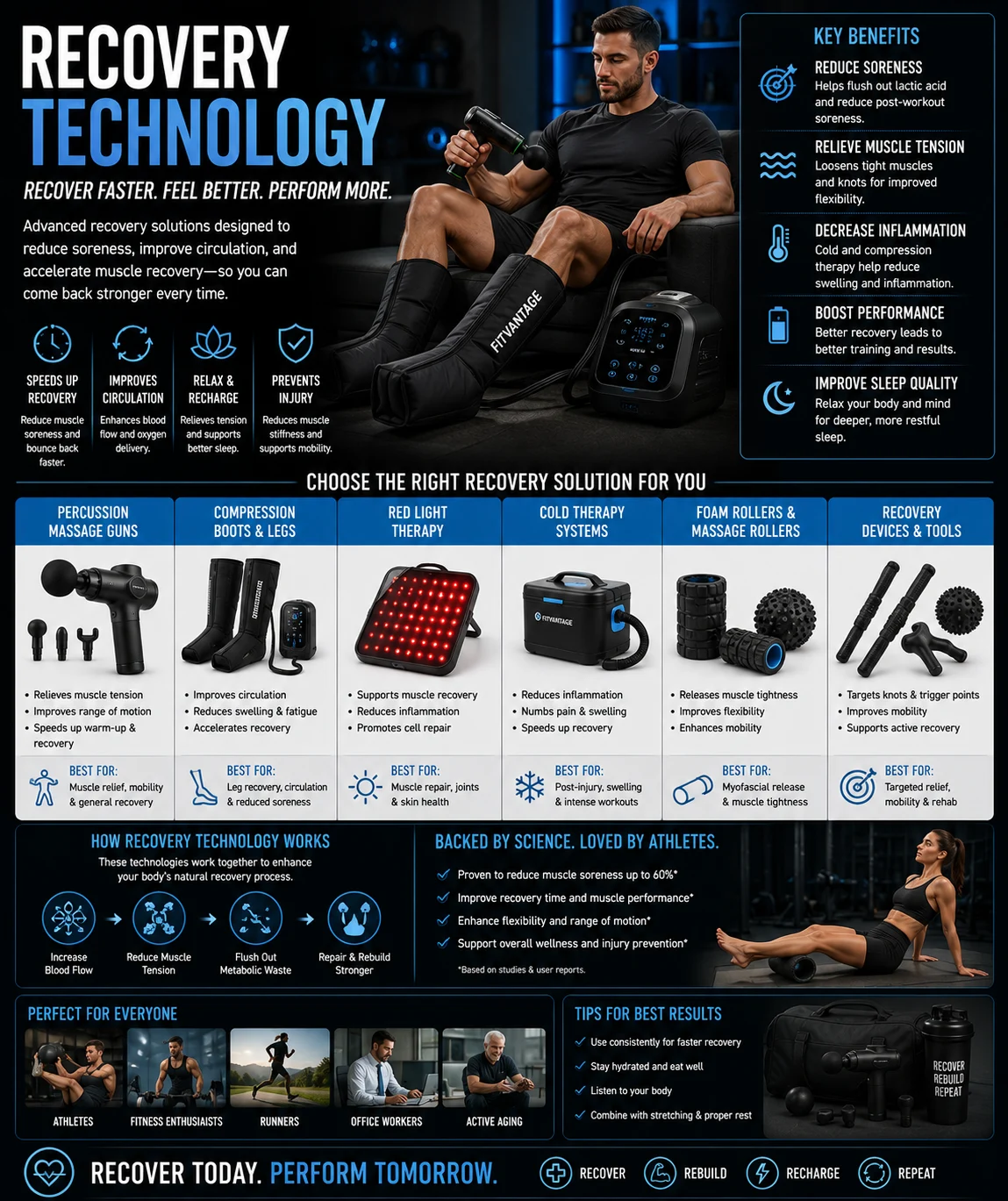
Foam rollers can be useful for beginners who want a simple recovery tool for stretching, mobility and muscle tightness. They are affordable, easy to store and suitable for home workouts, gym training, running and everyday recovery routines.
The best foam roller for beginners should be comfortable enough to use regularly. A roller that is too firm or too aggressive can feel painful and may make it harder to build the habit.
In this guide, we explain what beginners should look for when buying foam rollers in the UK and how to choose an easy recovery roller for back tightness, leg soreness, stretching and mobility work.
What is a foam roller?
A foam roller is a cylindrical recovery tool used by placing part of the body on the roller and gently rolling over muscles. It uses your bodyweight to apply pressure to tight or sore areas.
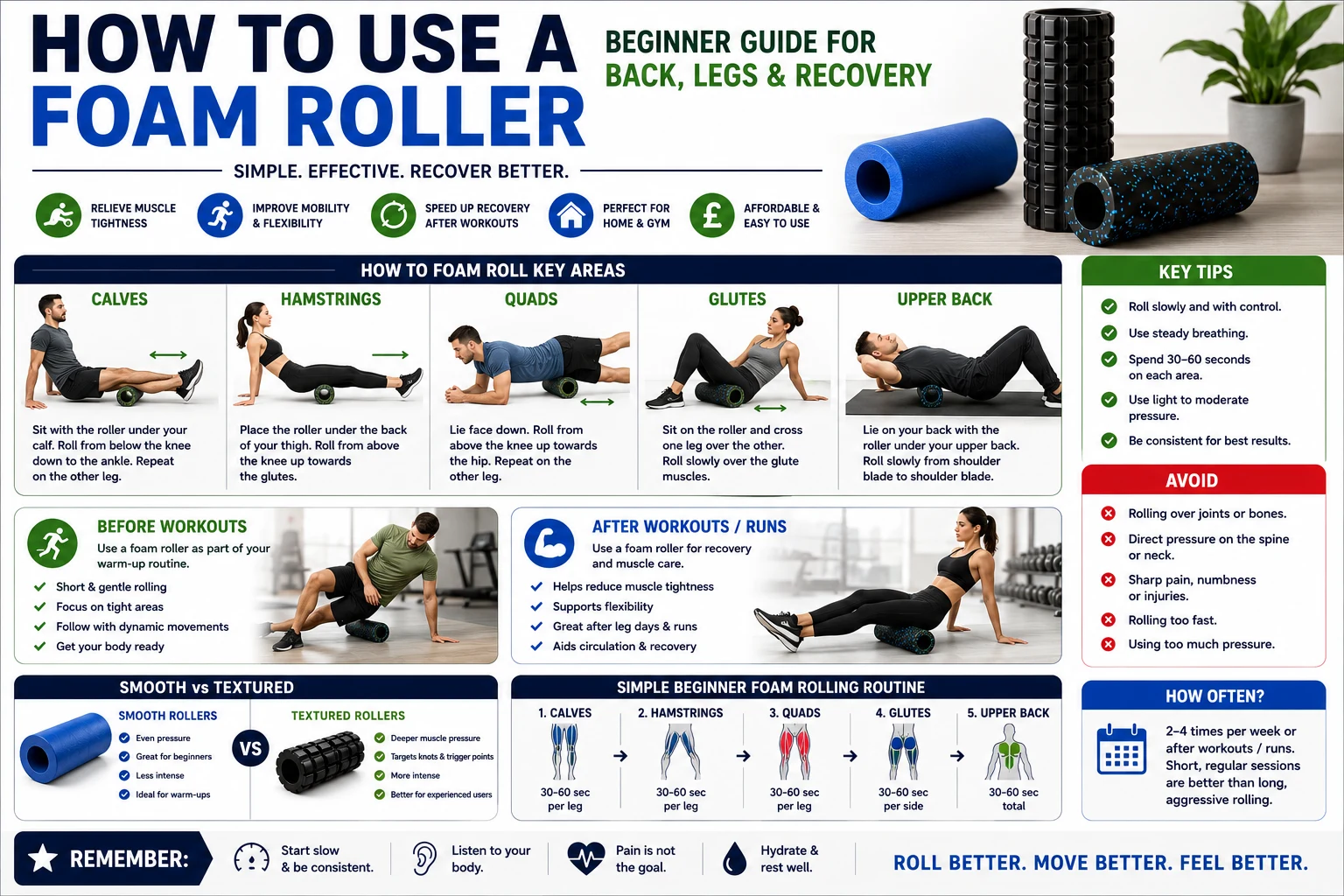
Foam rollers are commonly used for calves, hamstrings, quads, glutes, hips and the upper back. They can also be used as part of warm-ups, cool-downs and stretching routines.
Are foam rollers good for beginners?
Yes, foam rollers can be good for beginners if you choose the right type. A smooth, soft or medium-density roller is usually easier to use than a very firm textured roller.
Beginners should focus on comfort, control and consistency rather than trying to apply the deepest pressure straight away.
Who should buy a beginner foam roller?
A beginner foam roller can be useful for people starting gym training, new runners, home workout users, desk workers, students and anyone who wants to improve flexibility or recovery habits.
It may also be useful if you often feel tight after exercise or want an affordable recovery tool before buying more expensive equipment such as massage guns.
What to look for in foam rollers for beginners
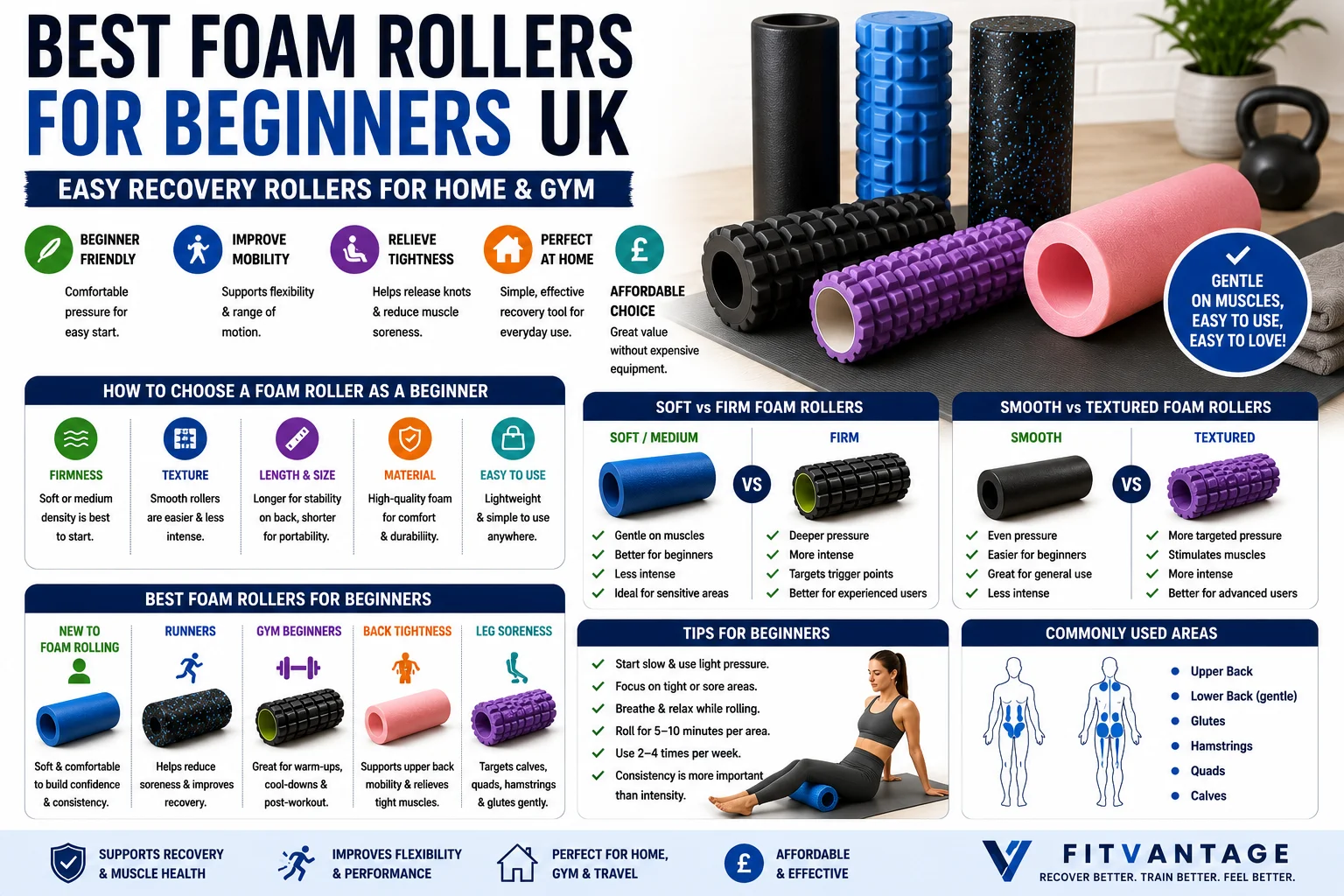
When choosing a foam roller as a beginner, look at firmness, texture, length, material, diameter, comfort and ease of use.
A good beginner foam roller should feel manageable. It should provide pressure without making the experience so uncomfortable that you avoid using it.
Best foam roller firmness for beginners
Beginners usually do best with soft or medium-density foam rollers. These provide gentler pressure and are easier to control.
Very firm rollers can be useful later, but they may feel too intense when you are just starting. If you are unsure, start with medium density rather than extra firm.
Best foam roller texture for beginners
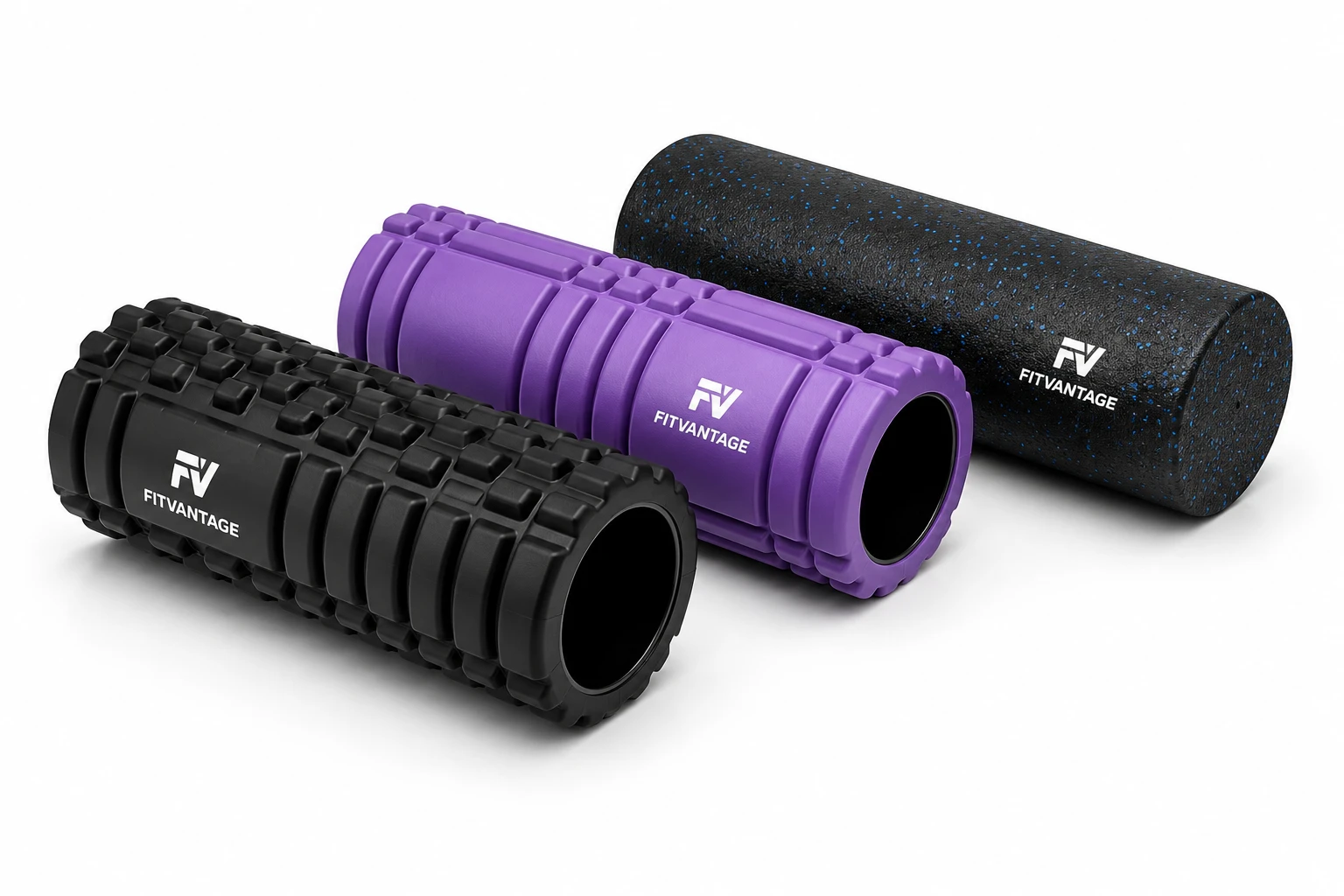
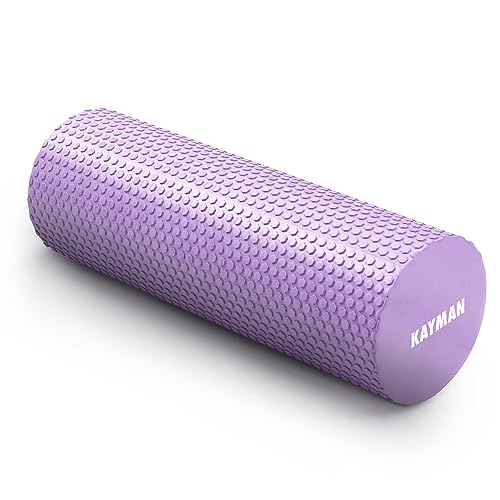
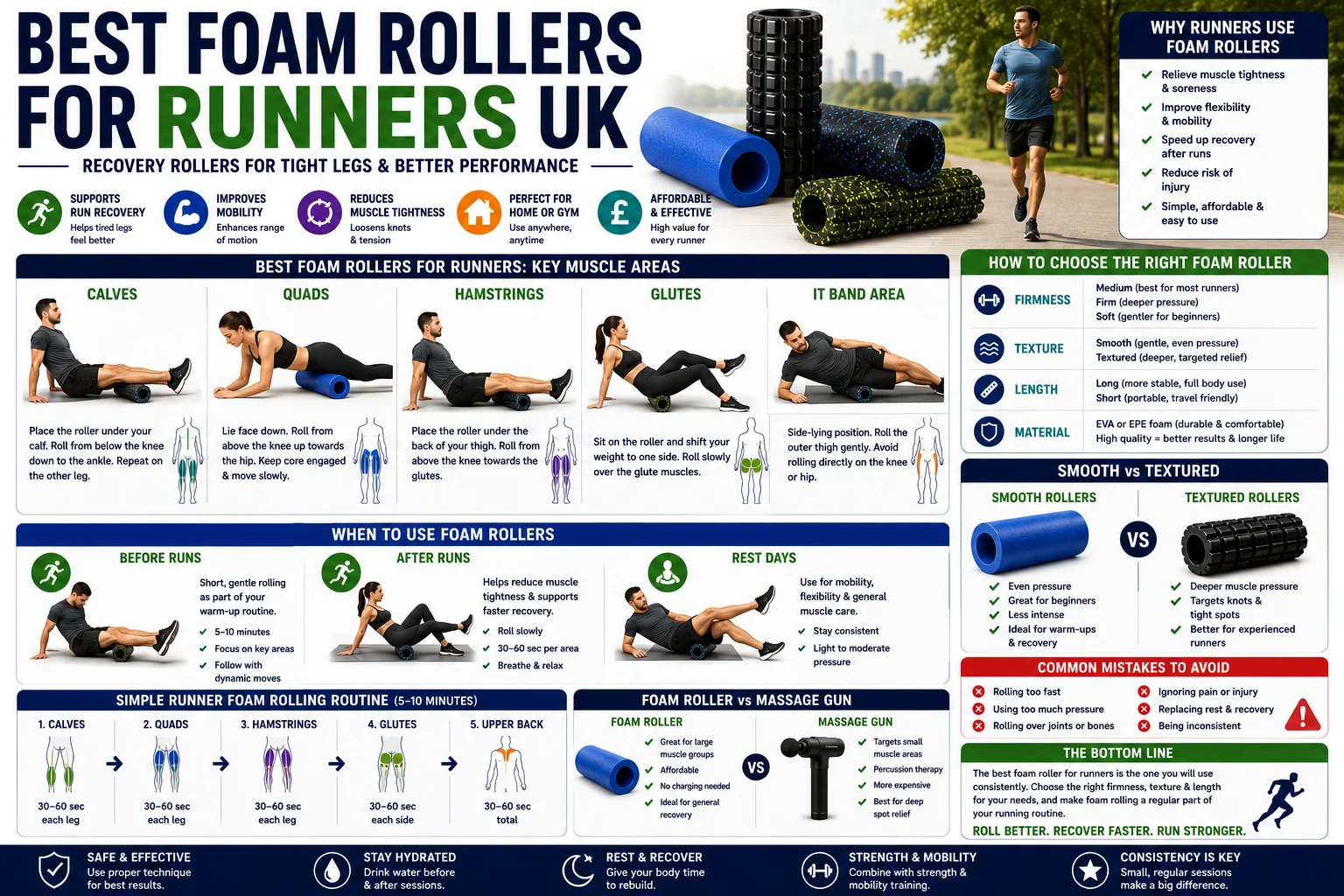
Smooth foam rollers are usually best for beginners because they provide even pressure across the muscle. They are simple, predictable and less intense than heavily textured rollers.
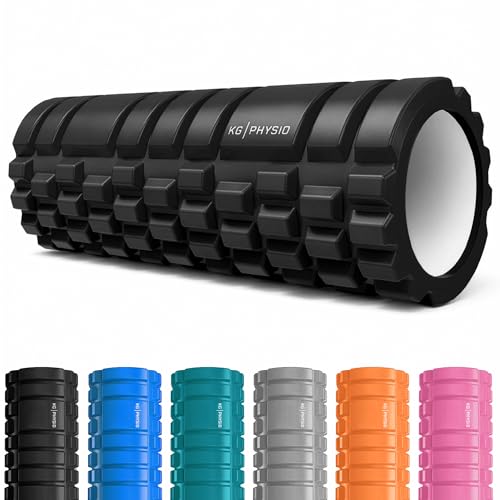
Textured rollers have ridges or bumps that create stronger pressure. These may be better for experienced users who already know they like deeper rolling.
Best foam roller length for beginners
Long foam rollers can be more stable and easier to use for back work, stretching and full-body mobility exercises. They are a good choice for home use.
Short foam rollers are easier to store and carry. They can be useful for legs, gym bags and travel, but they may feel less stable for beginners using them on the back.
Best foam rollers for beginner runners
Beginner runners often use foam rollers for calves, quads, hamstrings and glutes. A medium-density roller can be useful because it gives enough pressure for leg muscles without being too aggressive.
Start with short rolling sessions after runs or on recovery days. Avoid pushing hard into areas that feel sharp or unusually painful.
Best foam rollers for beginner gym users
Beginner gym users can use foam rollers before workouts, after training or on rest days. They may be useful for mobility work before lifting or gentle recovery after leg sessions.
If you are new to the gym, keep foam rolling simple. Use controlled pressure and combine it with stretching, warm-ups and good recovery habits.
Best foam rollers for back tightness beginners
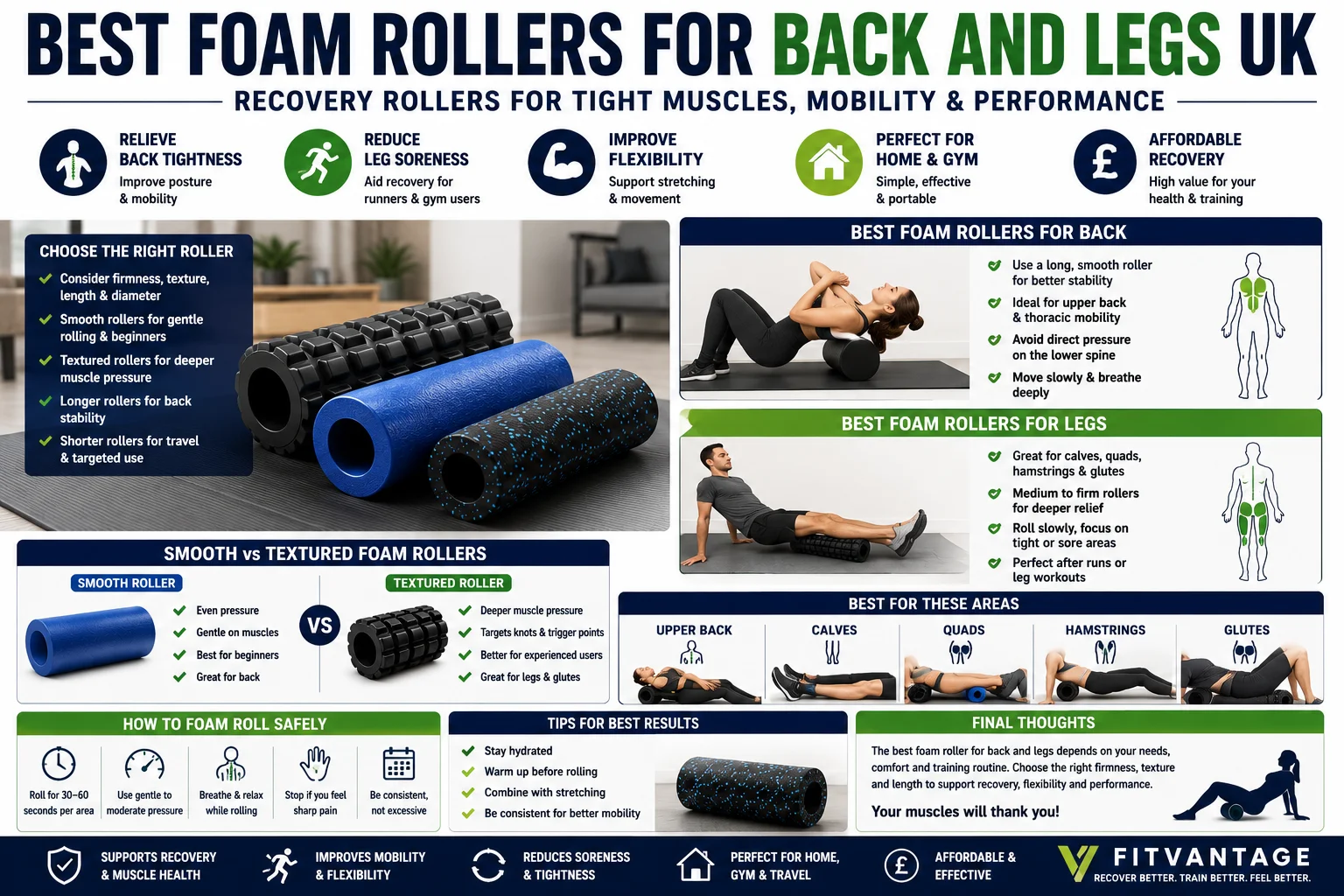
For upper back tightness, a longer smooth foam roller can feel more stable and comfortable. It can help support gentle mobility work for the upper back and thoracic spine area.
Be careful with direct pressure on the lower back. Beginners should avoid aggressive lower-back rolling and focus more on upper back, hips and legs.
Best foam rollers for leg soreness beginners
For leg soreness, foam rollers can be used on calves, quads, hamstrings and glutes. Beginners should start gently, especially after hard workouts or long runs.
If a muscle is very sore, use light pressure and short sessions. Foam rolling should feel controlled, not like forced pain.
Soft foam rollers vs firm foam rollers for beginners
Soft foam rollers are more comfortable and better for sensitive areas. They are a good starting point if you are nervous about foam rolling or have never used one before.
Firm foam rollers provide deeper pressure and may suit people who are already active or want stronger feedback. For most beginners, medium firmness is a sensible middle ground.
Smooth foam rollers vs textured foam rollers for beginners
Smooth foam rollers are usually better for beginners because they give consistent pressure and are easier to control.
Textured foam rollers may feel more intense because the raised patterns press into smaller areas. These can be useful later, but they are not always the best first choice.
Cheap foam rollers for beginners
Cheap foam rollers can be a good option for beginners because they let you try foam rolling without spending too much. Many affordable smooth rollers are enough for basic stretching and recovery.
Do not choose only by price. Check size, material, firmness and reviews before buying.
Foam rollers vs massage guns for beginners
Foam rollers are usually cheaper, simpler and better as a first recovery tool. They do not need charging and can be used for large muscle areas.
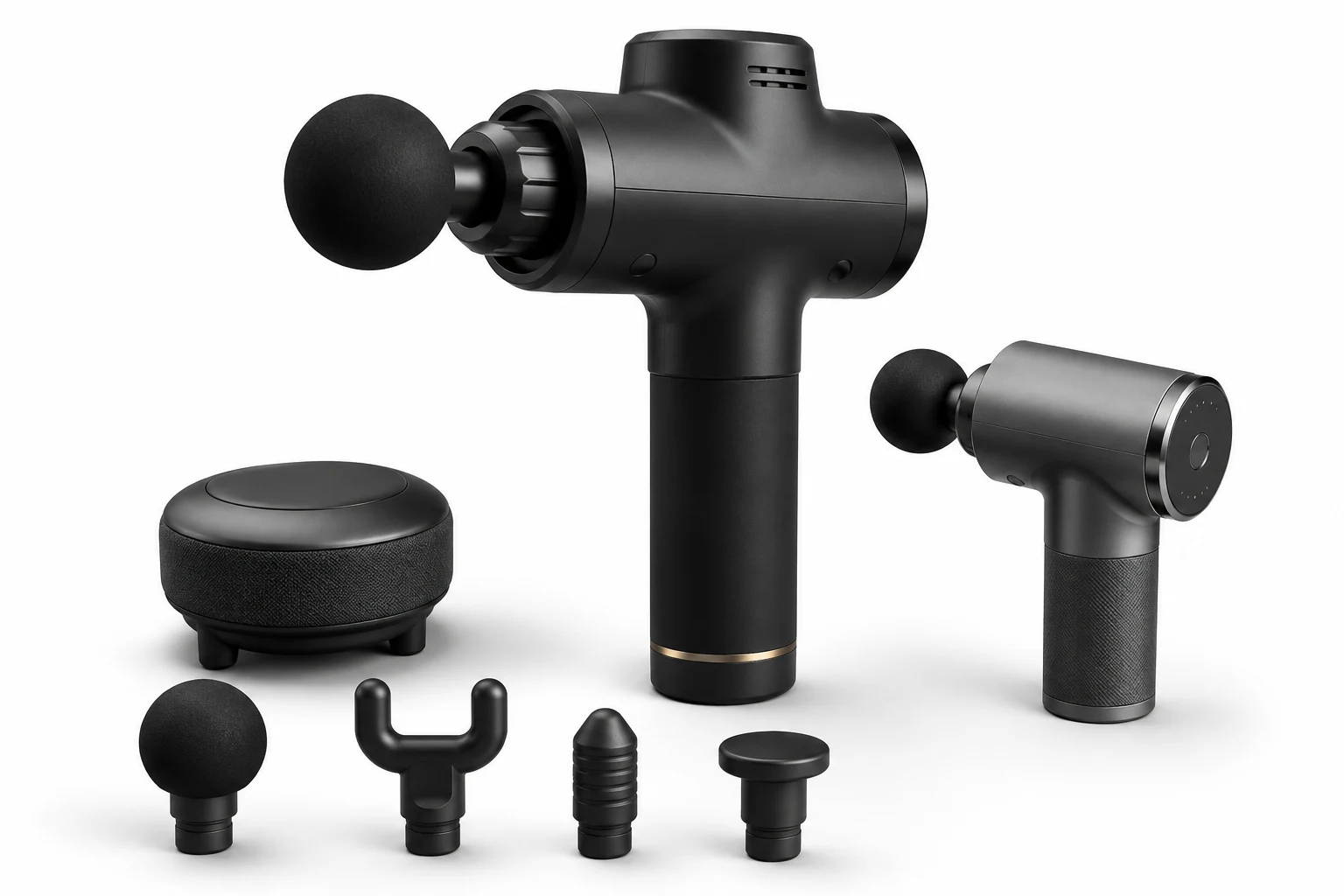
Massage guns can be useful for targeted pressure, but they are usually more expensive. Beginners may prefer to start with a foam roller before upgrading.
How should beginners use a foam roller?
Beginners should roll slowly, use controlled pressure and focus on large muscle groups. Start with short sessions of a few minutes rather than long aggressive rolling.
Breathe normally, relax the muscle where possible and stop if you feel sharp pain, numbness or unusual discomfort.
How often should beginners use a foam roller?
Beginners can use a foam roller a few times per week or after workouts, depending on comfort. Short regular sessions are usually better than occasional intense sessions.
As you get used to foam rolling, you can adjust frequency based on your training, tightness and recovery needs.
Common mistakes beginners make with foam rollers
One common mistake is choosing a roller that is too firm or too textured. This can make foam rolling feel painful and difficult to stick with.
Another mistake is rolling too quickly or using too much pressure. Foam rolling should be controlled and gradual, especially when you are new.
Final thoughts
The best foam rollers for beginners are comfortable, easy to use and suitable for your recovery goals. Smooth, soft or medium-density rollers are usually the safest starting point.
Choose a roller that fits your routine, whether you want it for running, gym training, back tightness, leg soreness, stretching or home recovery. The best beginner foam roller is the one you can use consistently without excessive discomfort.