Introduction
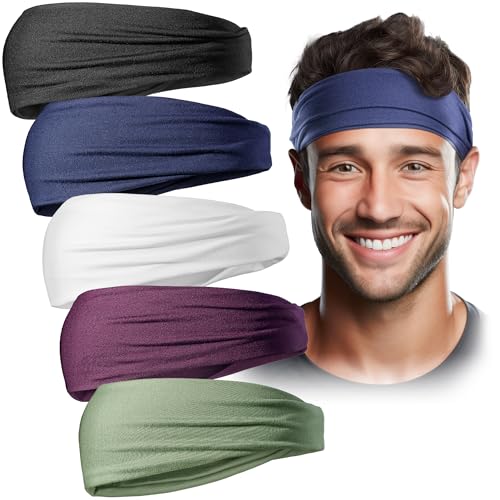
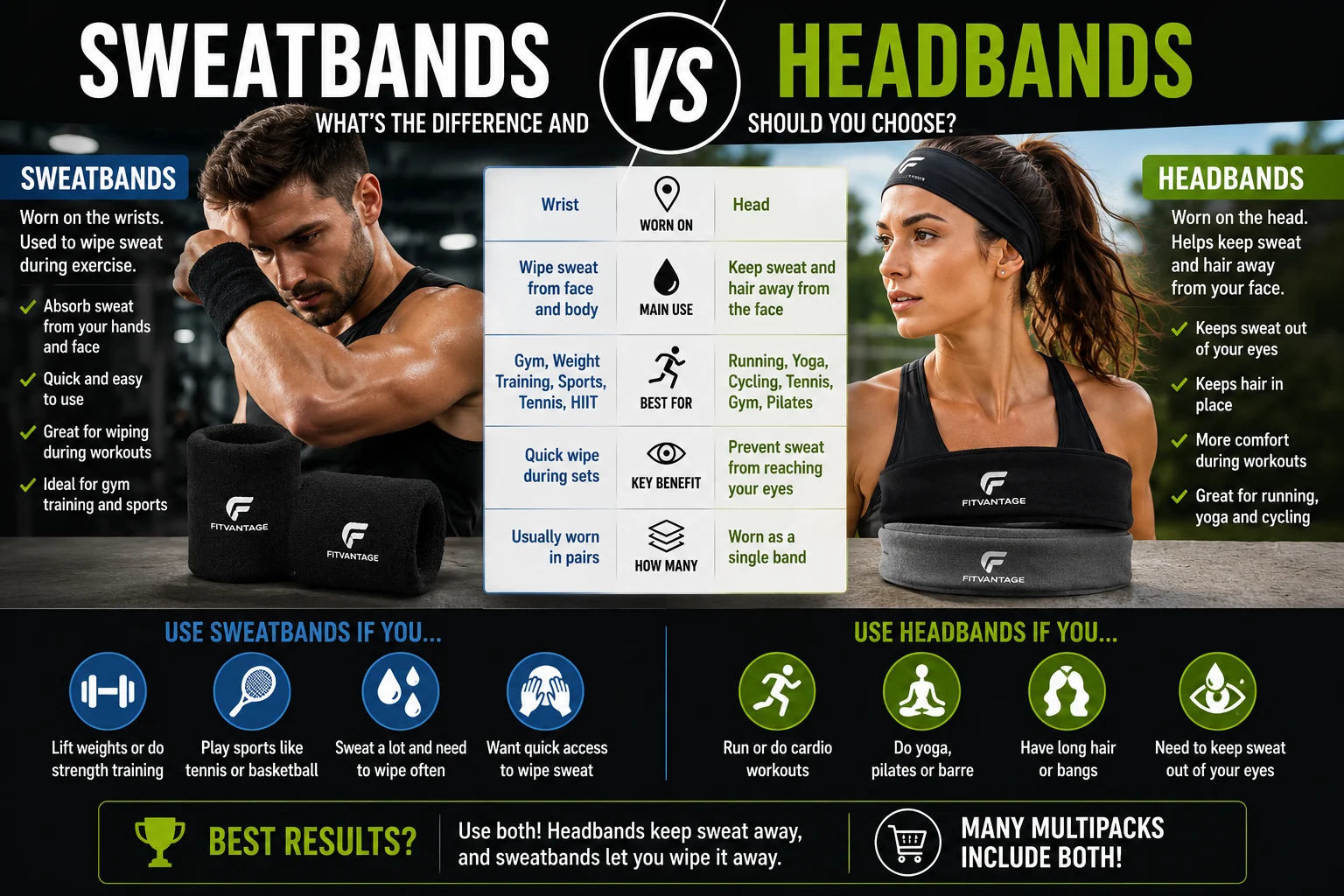
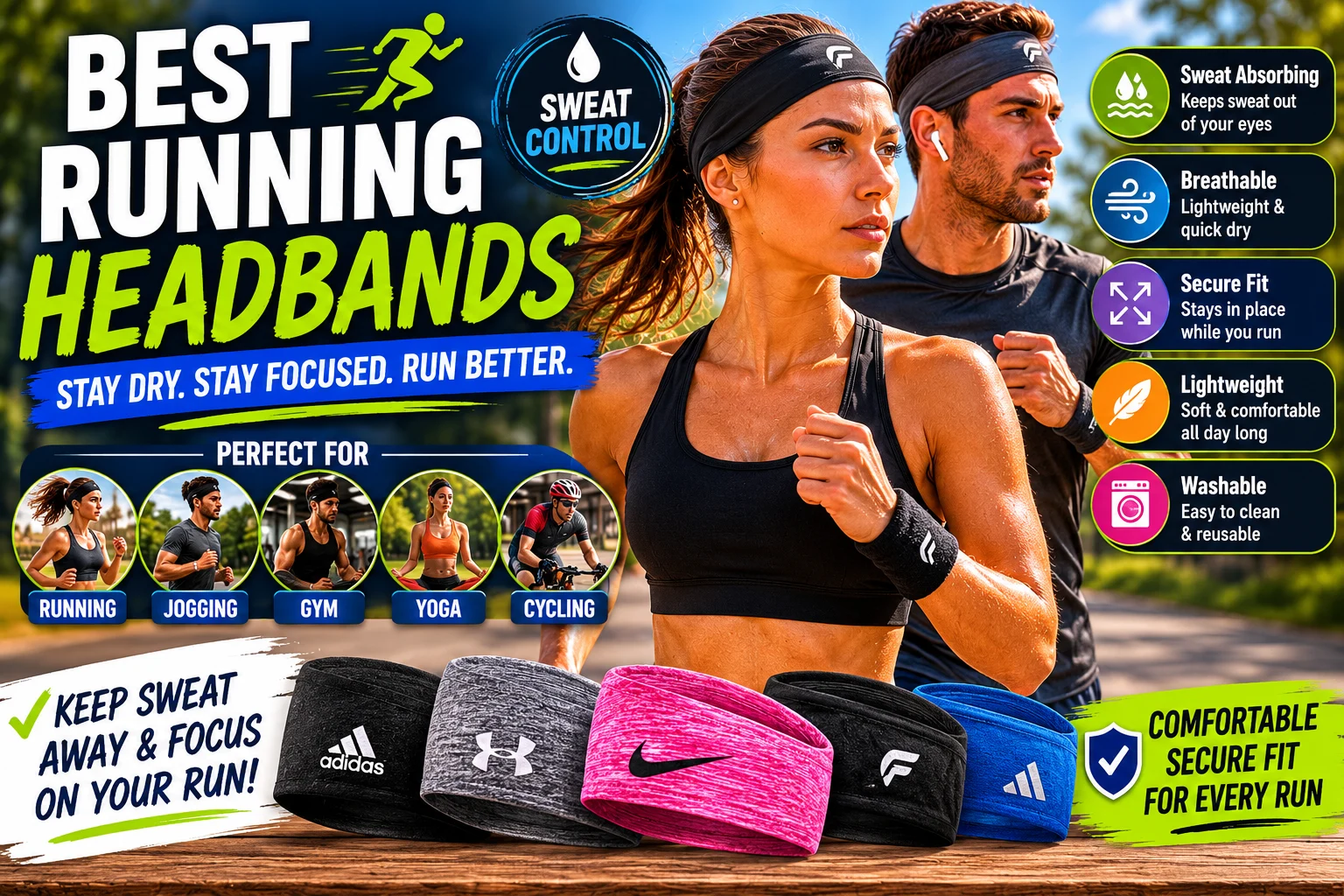
Running headbands are simple but useful accessories for joggers, runners and anyone doing outdoor cardio. They help keep sweat away from your eyes, hold hair back and make training more comfortable.
The best running headband should feel lightweight, breathable and secure without being too tight. It should stay in place while you move and be easy to wash after each run.
In this guide, we explain what to look for when buying running headbands in the UK and how to choose the right style for jogging, gym cardio and outdoor training.
Why use a running headband?
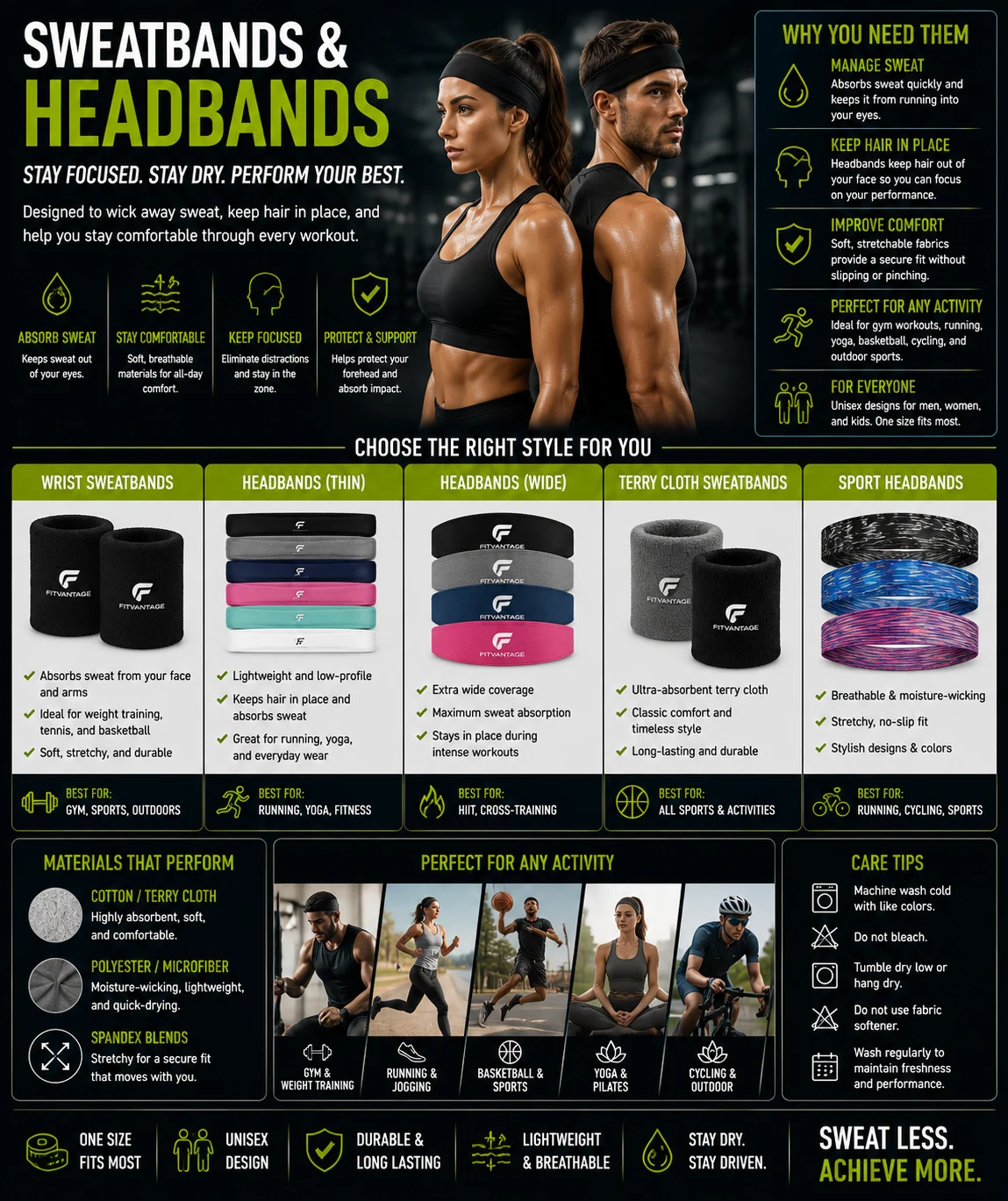
A running headband helps stop sweat from running into your eyes during exercise. It can also keep hair away from your face, which is useful during longer runs, warm weather or intense cardio sessions.
Some runners also use headbands in cooler weather to add light coverage around the forehead and ears, depending on the material and width.
Who should buy a running headband?
A running headband can be useful for beginners, regular joggers, gym users, outdoor runners and anyone who sweats during cardio. It is especially helpful if sweat affects your vision or hair gets in your face while training.
Running headbands are also useful for people who prefer a lighter option than a cap or hat.
What to look for in a running headband
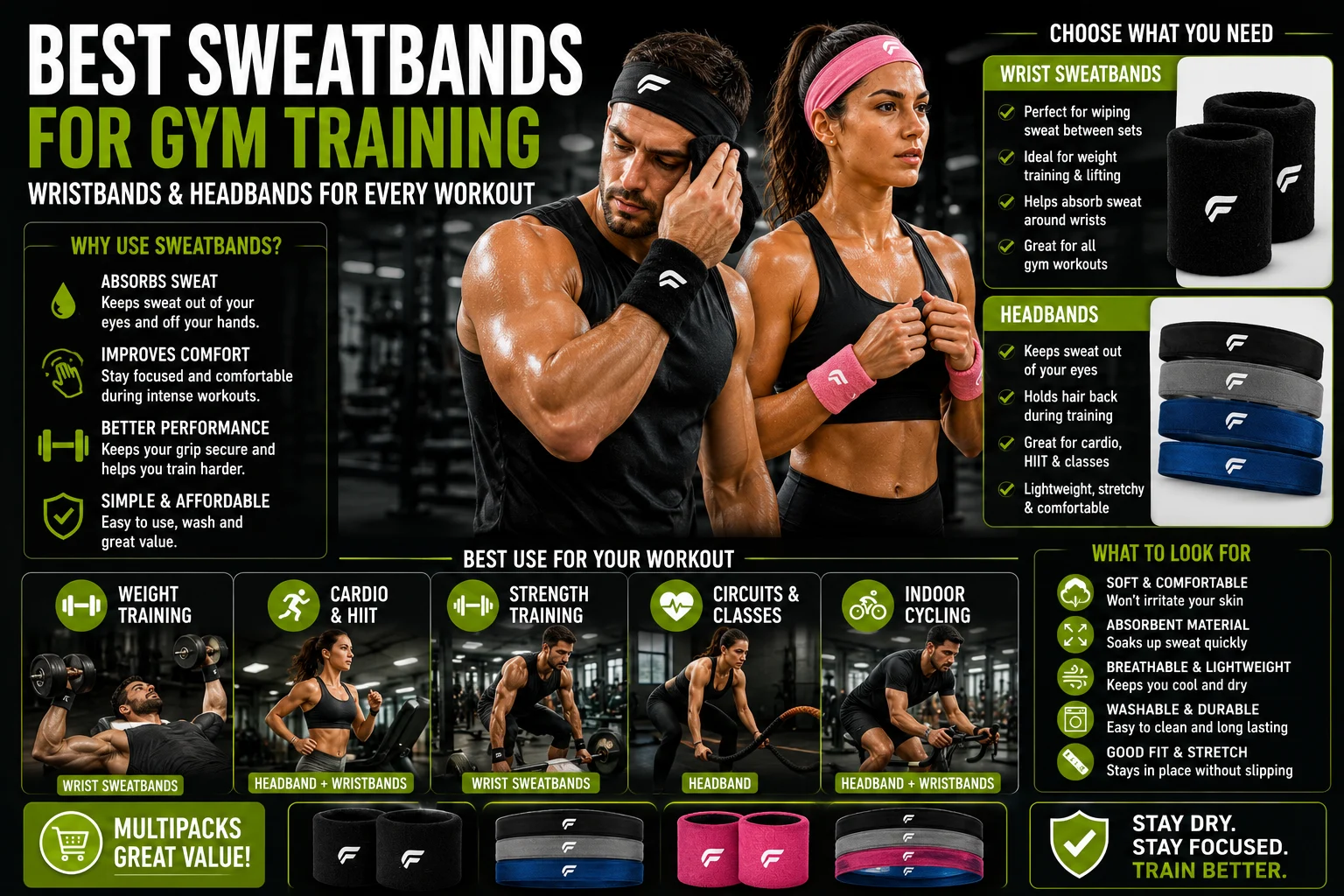
When choosing a running headband, look for comfort, breathability, stretch, sweat absorption and a secure fit. The headband should stay in place without causing pressure around your head.
Lightweight materials are usually best for running because they are less likely to feel heavy when wet. Wider headbands may be better if you sweat heavily or want more forehead coverage.
Best running headbands for beginners
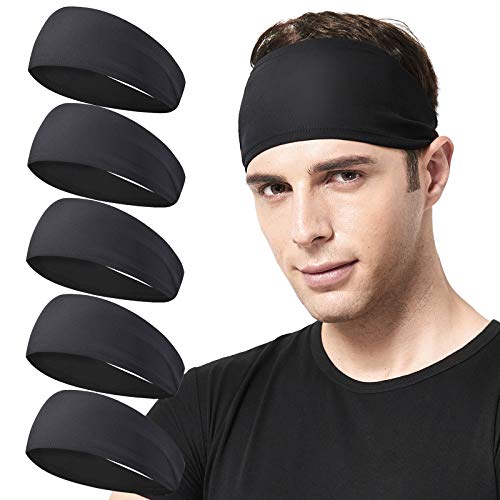
Beginners usually do not need an expensive running headband. A simple lightweight headband or multipack is often enough for jogging, treadmill running and general cardio.
Choose something soft, washable and comfortable. If you are unsure, start with a basic sports headband before upgrading to a more technical option.
Best running headbands for heavy sweating
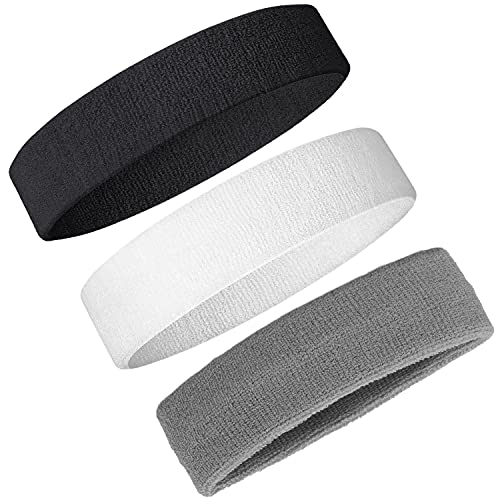
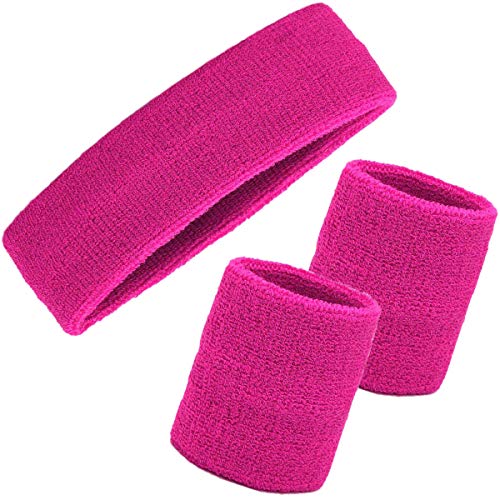
If you sweat heavily, choose a wider or more absorbent running headband. This can help stop sweat from reaching your eyes during longer runs or warm-weather training.
Some runners prefer moisture-wicking fabrics because they help move sweat away from the skin and dry faster after exercise.
Best running headbands for long hair
If you have long hair, a running headband can help keep loose hair and flyaways away from your face. A stretchy headband with a secure fit is usually best.
For longer runs, avoid headbands that slip easily or feel too tight around the forehead. Comfort matters more when you are wearing it for a longer session.
Thin vs wide running headbands
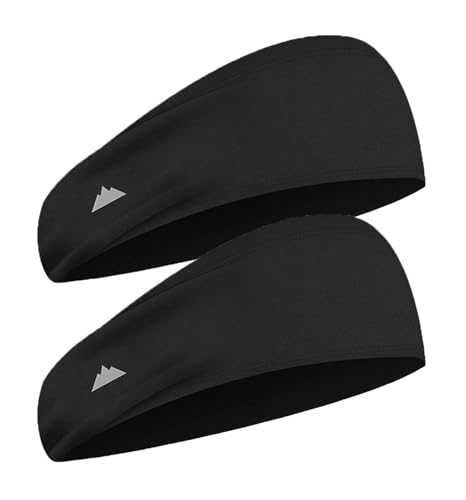
Thin running headbands are lightweight and discreet. They are good for short runs, treadmill sessions and people who want a low-profile fit.
Wide running headbands provide more coverage and may absorb more sweat. They can be better for outdoor runs, longer distances or runners who sweat heavily.
Running headbands vs caps
Running headbands and caps both have benefits. A cap can offer shade from the sun, while a headband is lighter and better for keeping sweat and hair away from your face.
If you want sun protection, a cap may be better. If your main problem is sweat, heat or hair control, a running headband is usually more comfortable.
Can you use a gym headband for running?
Yes, many gym headbands can also be used for running. The main thing is that the headband should be breathable, secure and comfortable while moving.
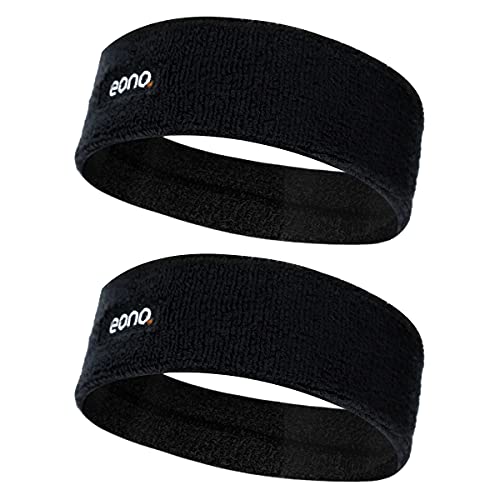
If a gym headband is thick and heavy, it may feel too warm for running. For outdoor runs or treadmill sessions, a lighter sports headband is usually better.
Final thoughts
The best running headband is comfortable, breathable, washable and secure. For most runners, a lightweight sports headband is enough for jogging, treadmill running and everyday training.
If you sweat heavily or run longer distances, consider a wider or more absorbent headband. A simple multipack can also be good value if you run several times per week.