Introduction
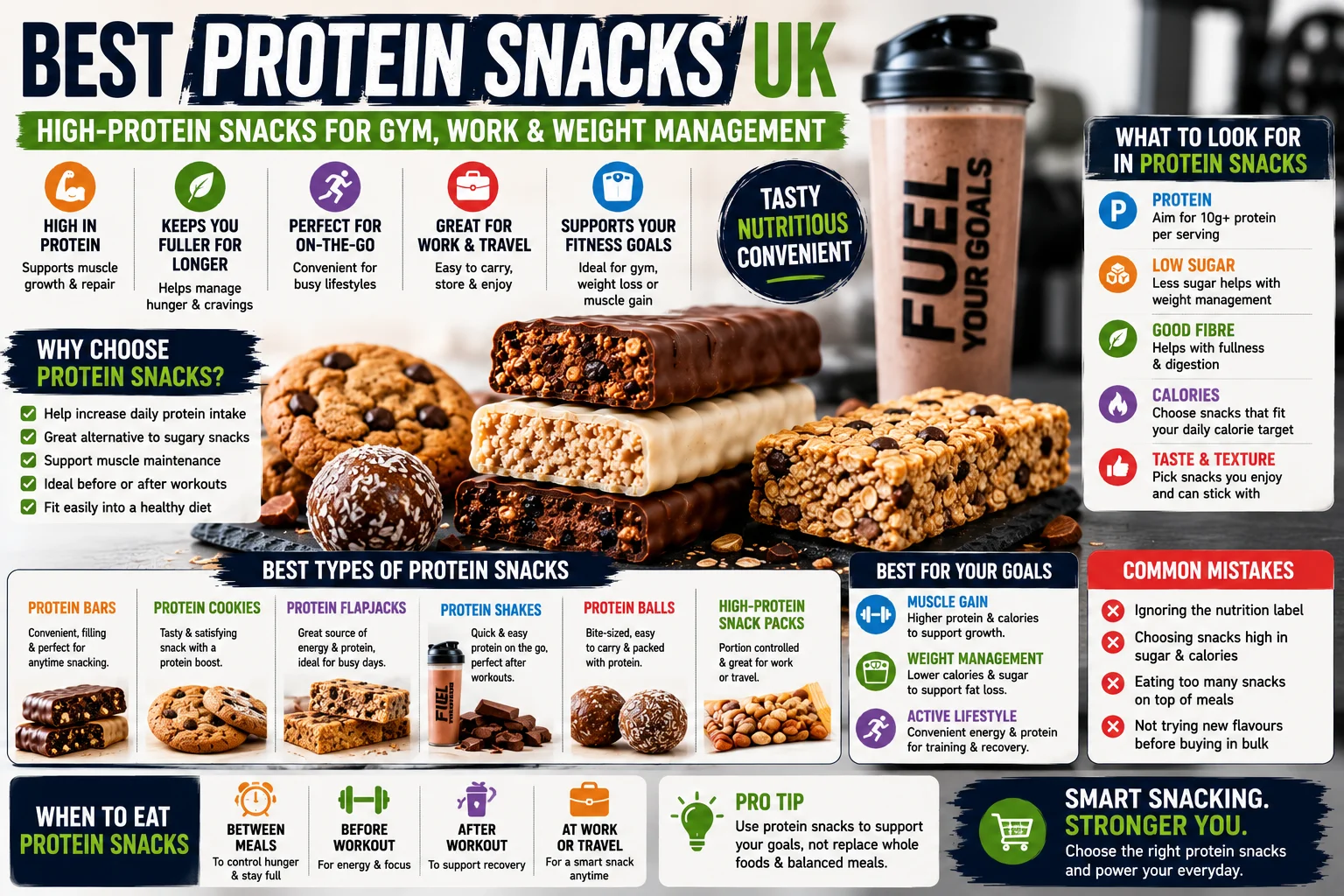
Protein bars and protein shakes are two of the most popular ways to increase protein intake. Both can be useful for gym training, weight management, muscle support and busy days, but they work in slightly different ways.
Protein bars are convenient, portable and more like a snack. Protein shakes are usually quicker to drink and easier to adjust depending on how much protein you need.
In this guide, we compare protein bars vs protein shakes so you can decide which option is better for your fitness goals, lifestyle and budget.
What are protein bars?
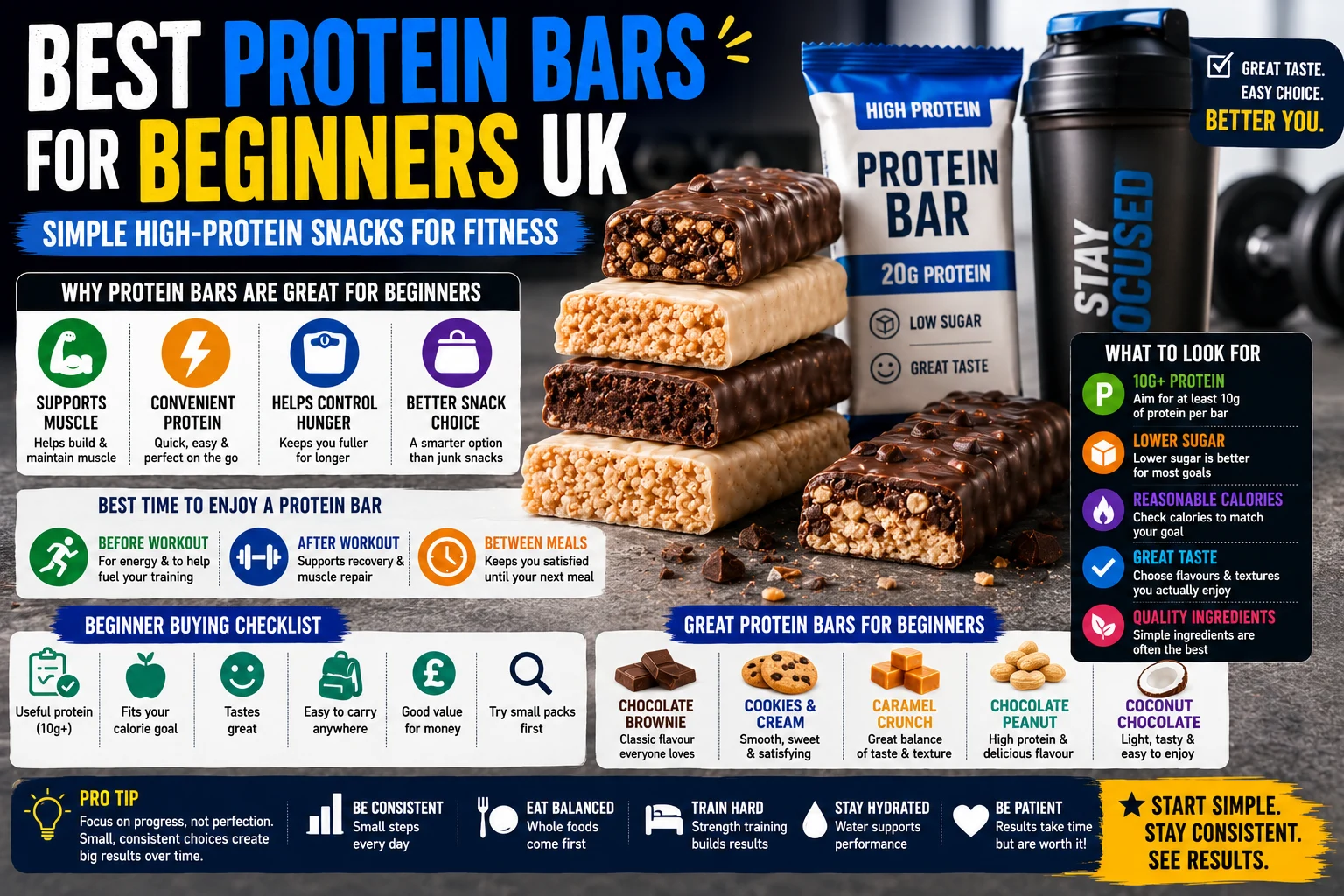
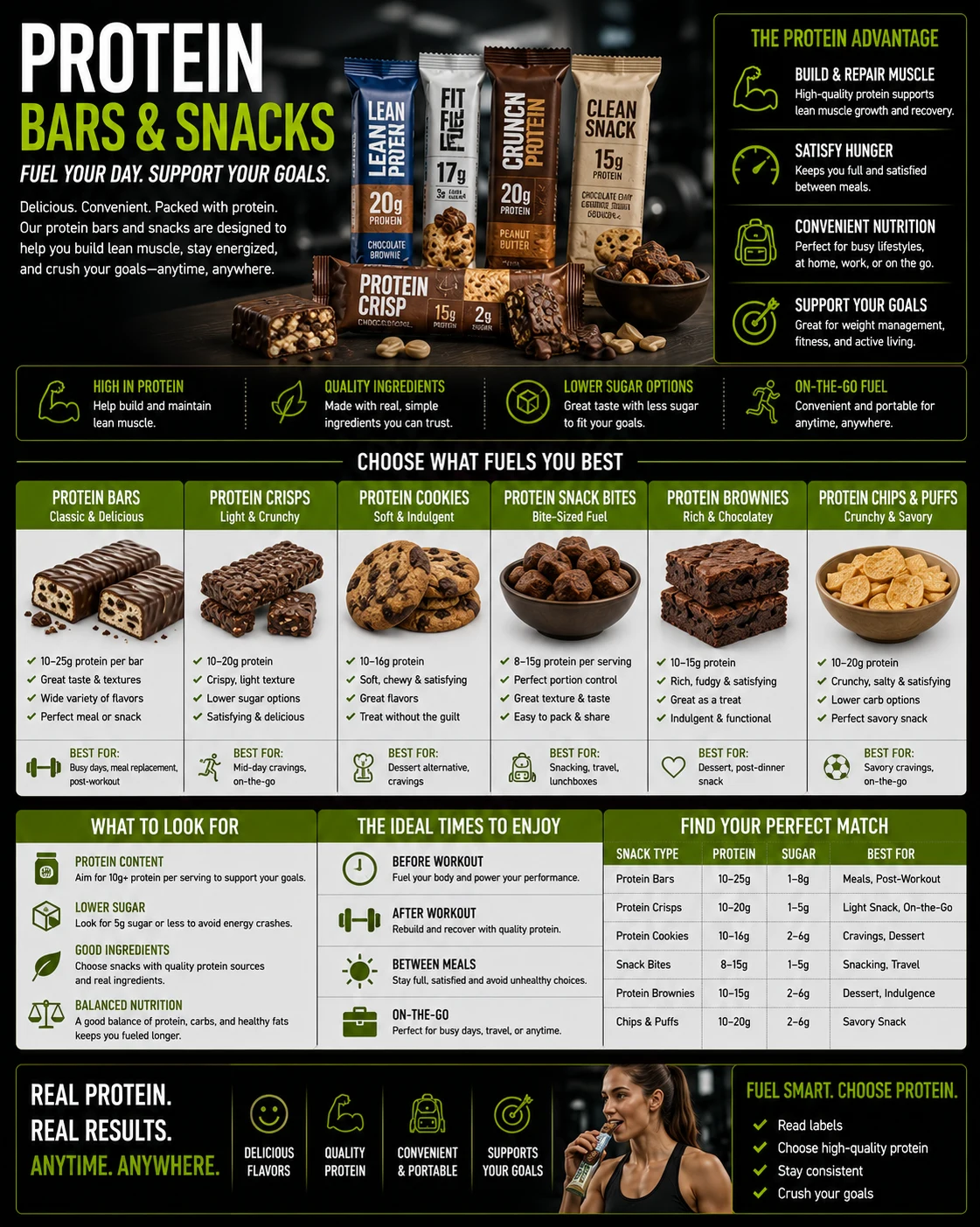
Protein bars are high-protein snack bars designed to provide more protein than normal chocolate bars, cereal bars or snack bars. They are usually ready to eat and easy to carry.
Many protein bars contain ingredients such as whey protein, milk protein, soy protein, pea protein, nuts, fibre blends, sweeteners or flavour coatings.
What are protein shakes?
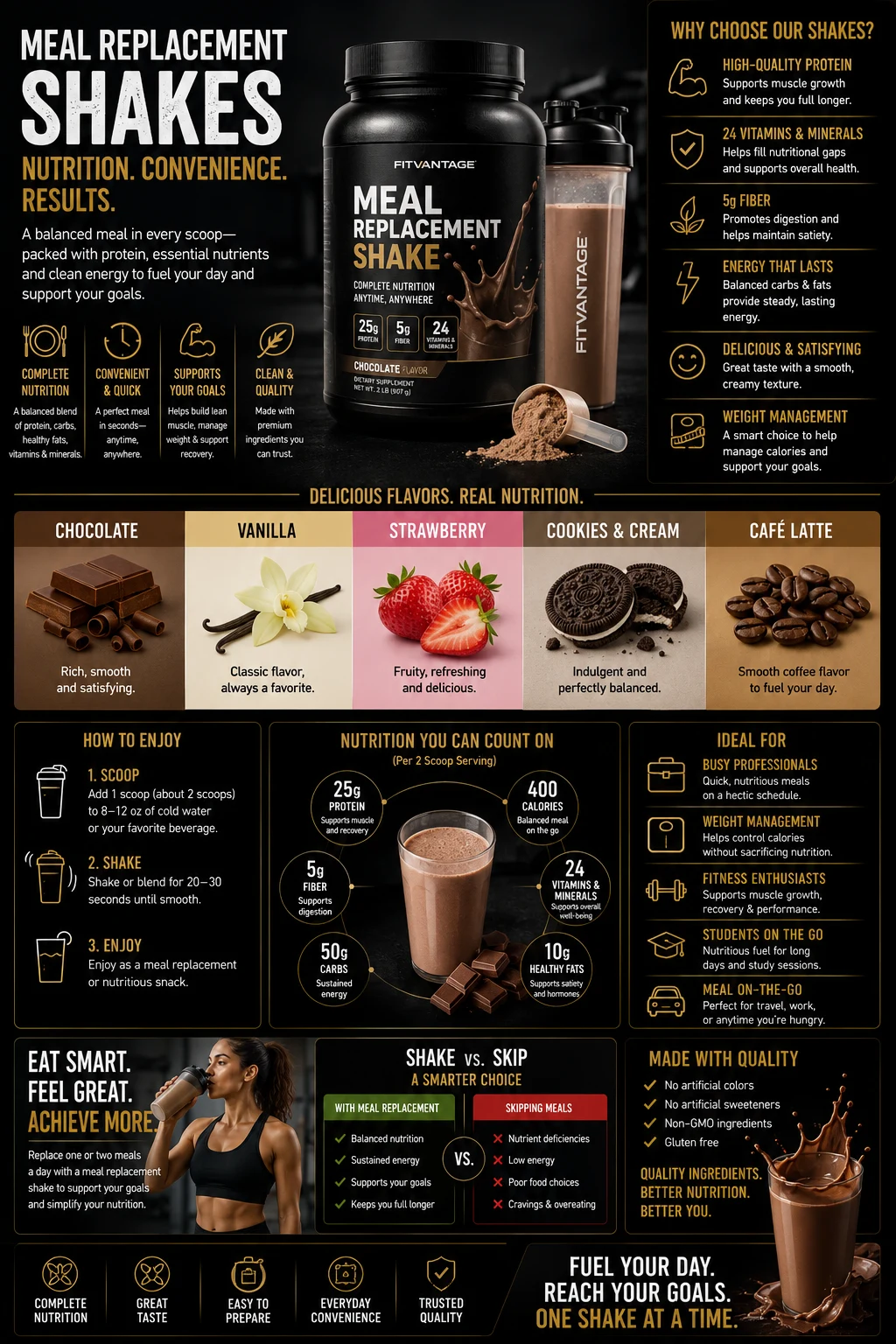
Protein shakes are drinks made using protein powder or ready-to-drink protein formulas. Most people mix protein powder with water, milk or a milk alternative.
Protein shakes are commonly used after workouts, between meals or as a convenient way to increase daily protein intake.
Protein bars vs protein shakes: main difference
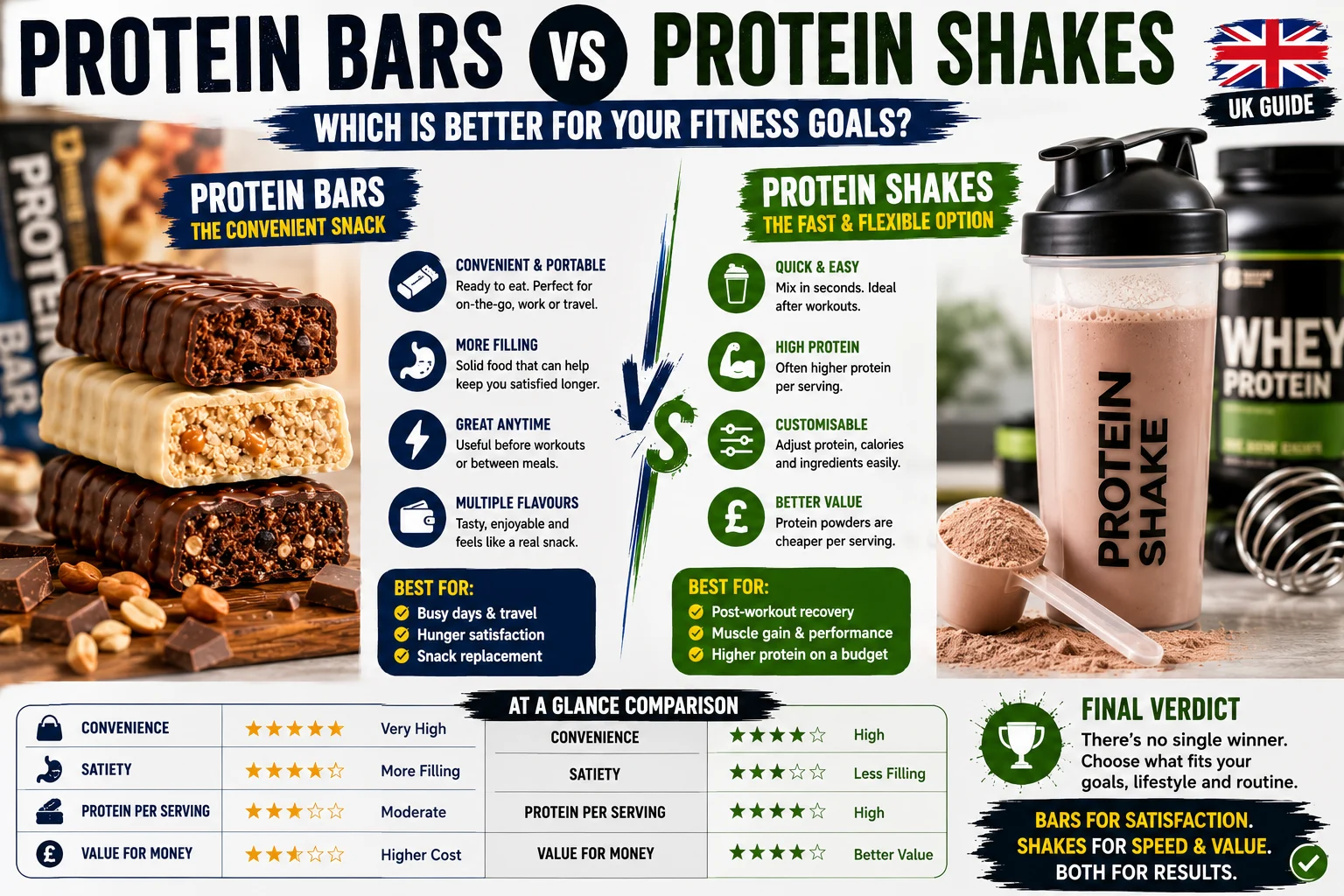
The main difference is format. Protein bars are solid snacks, while protein shakes are drinks. Bars are usually more convenient when you are travelling, working or need something filling. Shakes are usually better when you want quick protein without eating a full snack.
Protein shakes are often easier to customise because you can change the serving size, liquid and ingredients. Protein bars are easier to carry because they do not need mixing.
Which is better for gym training?
Both protein bars and protein shakes can be useful for gym training. A protein shake may be better immediately after training if you want something quick and easy to digest.
A protein bar may be better before training or during a busy day when you want a more filling snack. The best choice depends on your schedule and how your body responds.
Which is better for muscle gain?
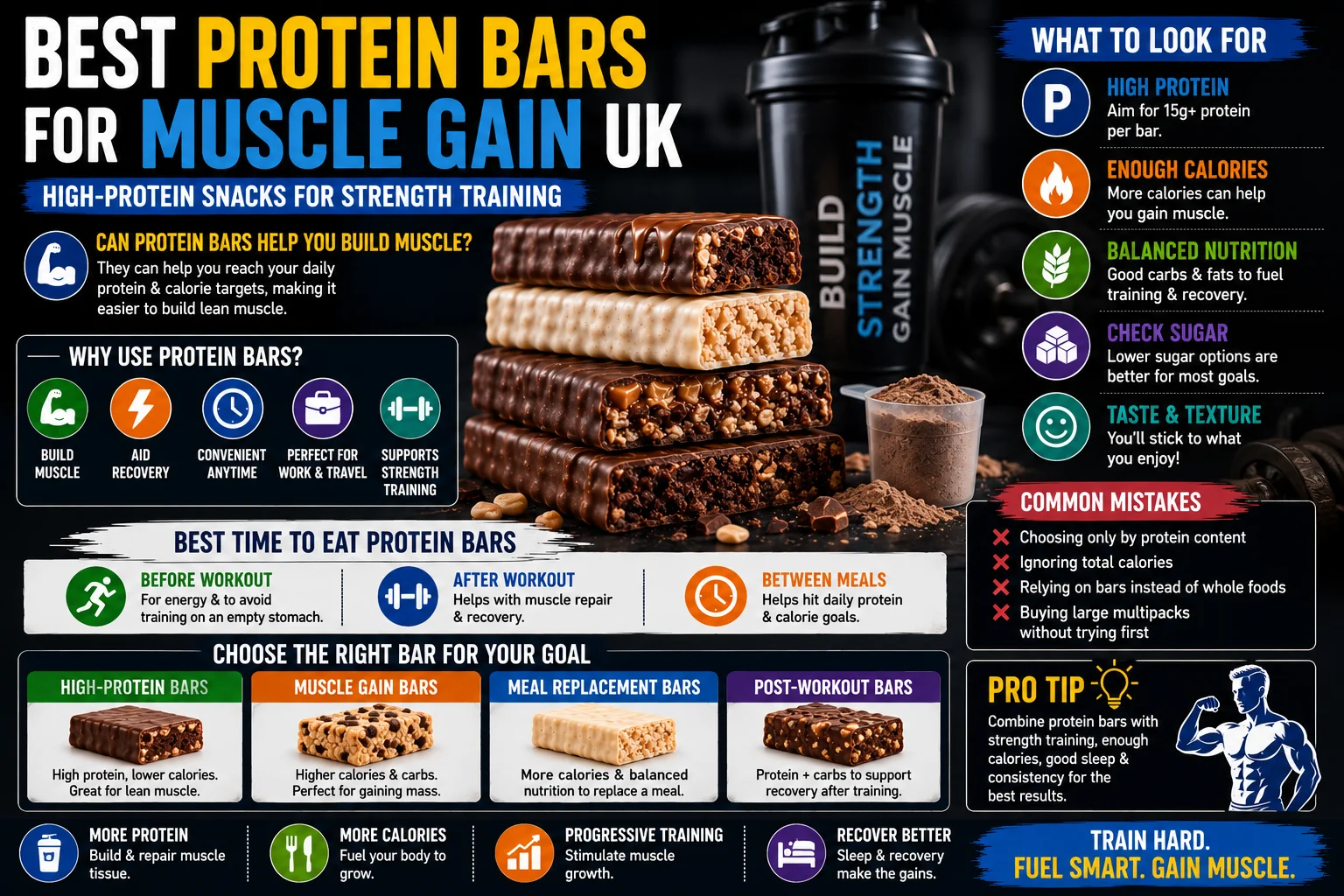
For muscle gain, the most important factor is total daily protein and overall calorie intake. Both protein bars and protein shakes can help if they make it easier to reach your targets.
Protein shakes may be more efficient because you can get a clear protein serving without extra calories from coatings, sweeteners or added fats. Protein bars can still be useful if you also need calories and convenience.
Which is better for weight loss?
For weight loss, protein shakes may be better if they provide protein with fewer calories. A simple shake with water can be lower in calories than many protein bars.
However, protein bars can be more satisfying because they feel like food and may help reduce cravings. If a protein bar replaces a higher-calorie snack, it can still support weight loss.
Which is more filling?
Protein bars are usually more filling than protein shakes because they are solid food and often contain fibre, fats or a chewy texture. This can make them useful between meals.
Protein shakes can be filling too, especially when mixed with milk or blended with other ingredients, but a shake made with water may not satisfy hunger for as long.
Which is more convenient?
Protein bars are usually more convenient when you are outside, travelling, commuting or working. You can keep them in a bag, desk drawer or gym bag without needing a shaker.
Protein shakes are convenient if you already have a shaker and powder available. Ready-to-drink shakes are also convenient, but they can be more expensive and heavier to carry.
Which is better value?
Protein shakes made from powder are often better value per serving than protein bars. A tub of protein powder can usually provide many servings at a lower cost per gram of protein.
Protein bars are often more expensive per serving, but they offer convenience, taste and snack satisfaction. Multipacks can help reduce the cost per bar.
Protein bars vs protein shakes for beginners
Beginners can use either protein bars or protein shakes. A protein shake may be a simple way to increase protein after training, while a protein bar may be easier as a snack replacement.
If you are new to fitness nutrition, focus on your overall meals first. Protein bars and shakes should support your routine, not replace balanced eating completely.
Protein bars vs protein shakes for busy days
For busy days, protein bars are often easier because they are ready to eat and do not need mixing. They are useful for work, college, travel or keeping in your car or gym bag.
Protein shakes are better if you can prepare them easily and want a quick drink. Ready-to-drink shakes are convenient but may cost more than powder.
Protein bars vs protein shakes after workouts
After workouts, protein shakes are often popular because they are quick to drink and easy to digest. They can be useful if you do not feel like eating solid food after training.
Protein bars can also work after workouts, especially if you want something more filling or you are travelling after the gym.
Protein bars vs protein shakes before workouts
Before workouts, protein bars may be more useful if you want a small snack that provides energy and protein. They can be easier to eat before travelling to the gym.
Protein shakes can also be used before training, but some people may prefer not to drink too much liquid before exercise.
Can you use both protein bars and shakes?
Yes, many people use both protein bars and protein shakes depending on the situation. A shake may be useful after training, while a bar may be useful during work, travel or busy days.
The key is to make sure both fit your overall daily protein, calorie and nutrition goals.
Common mistakes when choosing between bars and shakes
One common mistake is assuming protein bars and shakes are automatically healthy. Some protein bars are high in calories, and some shakes become calorie-heavy when mixed with extra ingredients.
Another mistake is relying on protein products instead of eating balanced meals. Protein bars and shakes are convenient tools, but they should not become your entire diet.
Which should you choose?
Choose protein bars if you want a portable, filling snack that is easy to carry and useful during busy days.
Choose protein shakes if you want quick protein, better value per serving and more control over your protein amount.
Choose both if your routine includes gym training, work, travel and different situations where convenience matters.
Final thoughts
Protein bars and protein shakes can both be useful. Protein bars are best for convenience and snacking, while protein shakes are usually better for quick protein and value.
The better choice depends on your goal. For weight loss, check calories. For muscle gain, focus on total daily protein. For busy lifestyles, choose the option you will use consistently.



![PhD Nutrition Diet Plant, Vegan Protein Powder Plant Based, Salted Caramel, 20g of Plant Protein, 40 Servings Per 1 Kg Bag [Packaging May Vary]](https://m.media-amazon.com/images/I/41rHsZ7et6L._SL500_.jpg)