Introduction
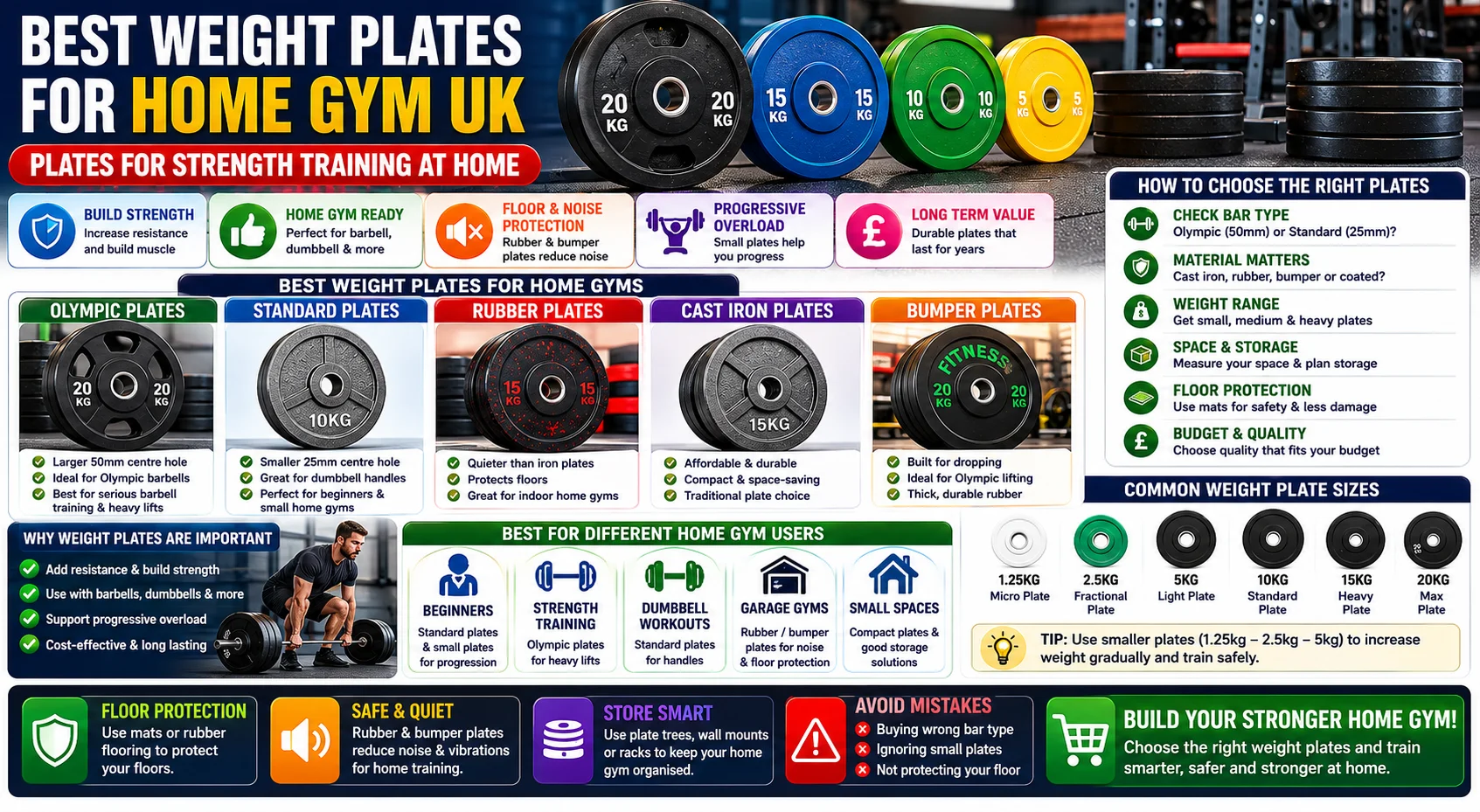
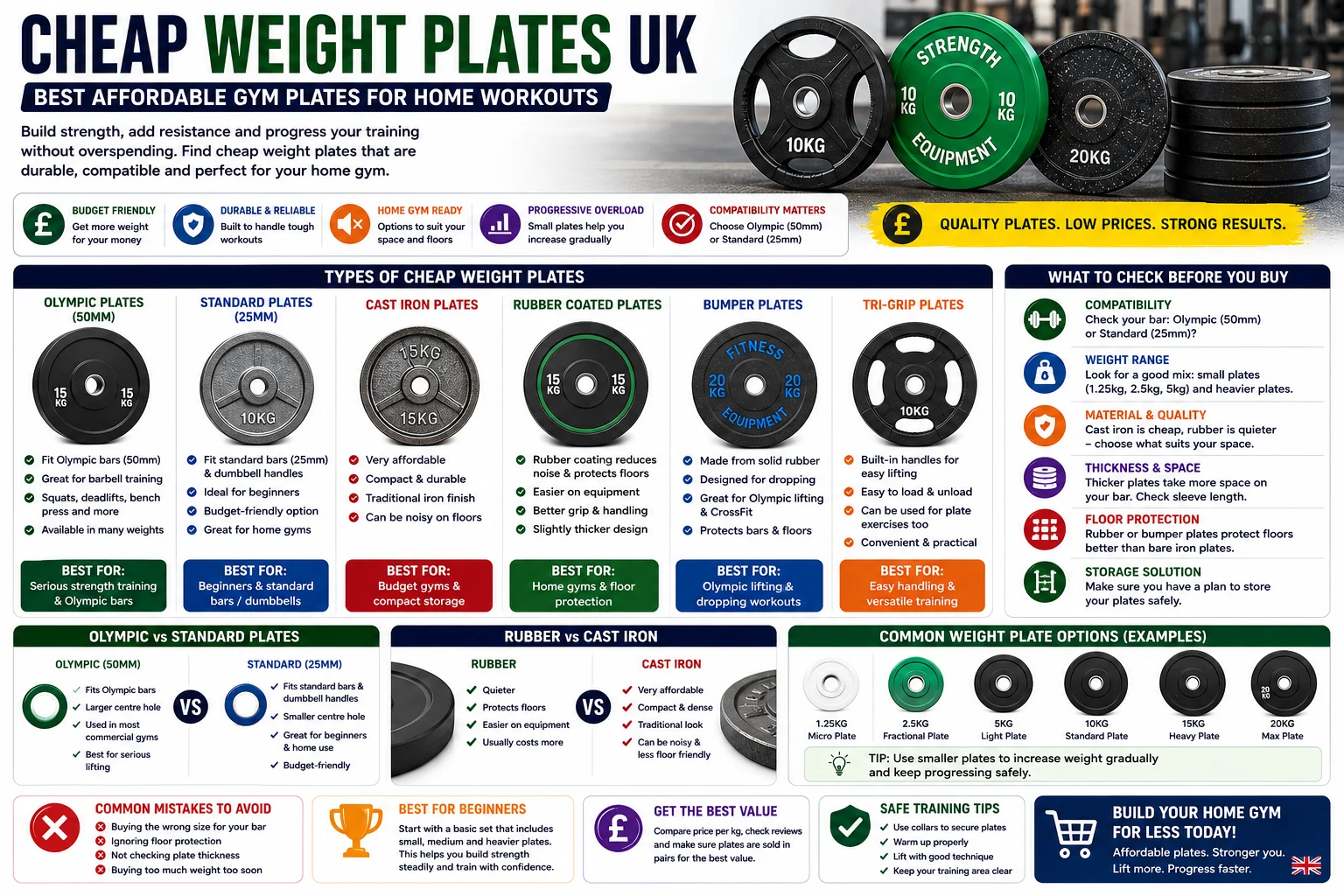
Rubber and cast iron weight plates are two of the most common options for home gyms and strength training. Both can help you build muscle, add resistance and progress your workouts, but they suit different spaces and budgets.
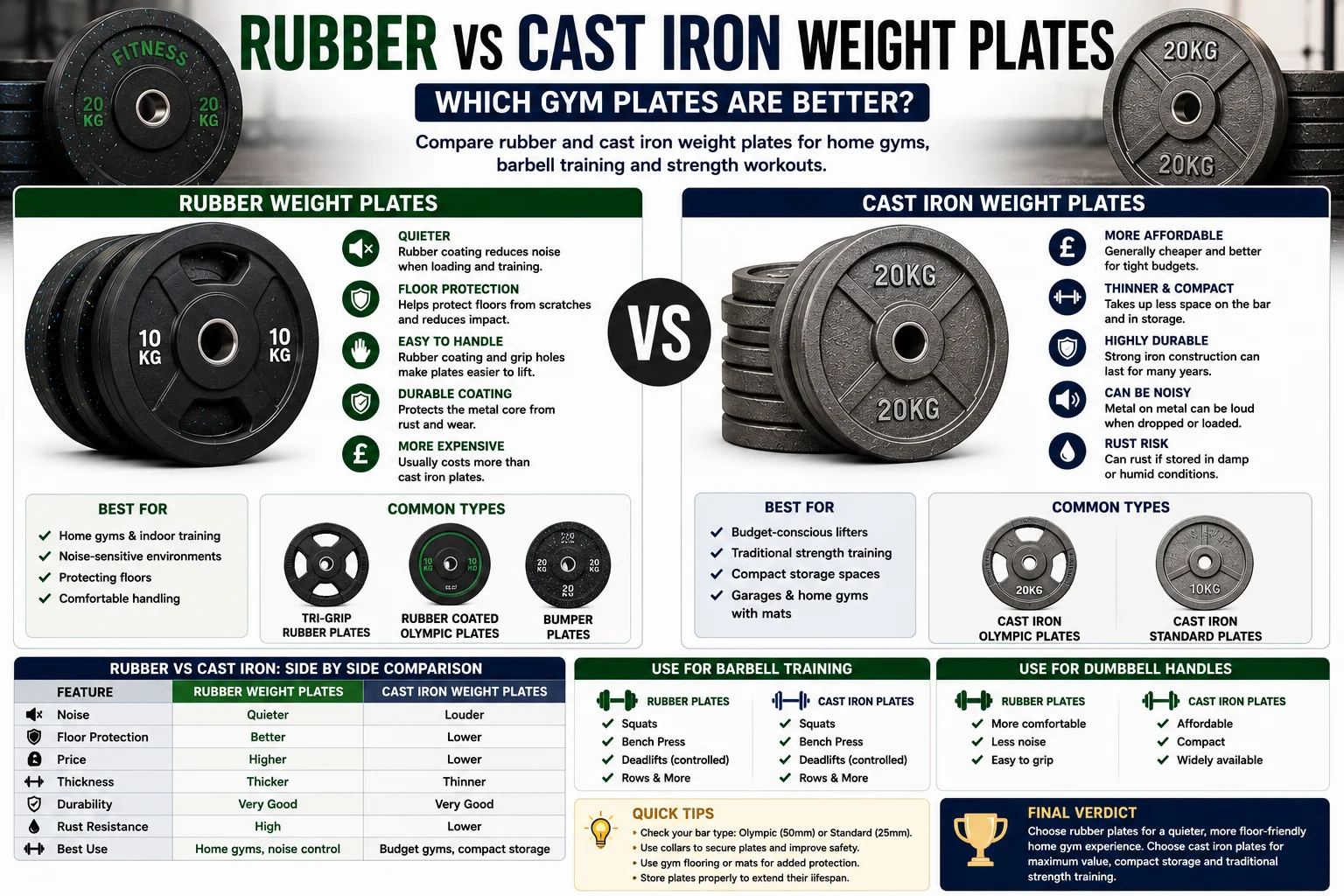
Rubber weight plates are usually quieter and more floor-friendly, while cast iron plates are often compact, simple and cost-effective. The better choice depends on your training style, flooring, storage space and how much noise matters.
In this guide, we compare rubber vs cast iron weight plates so you can choose the right gym plates for home workouts, barbell training, dumbbell handles and long-term strength progression.
What are rubber weight plates?
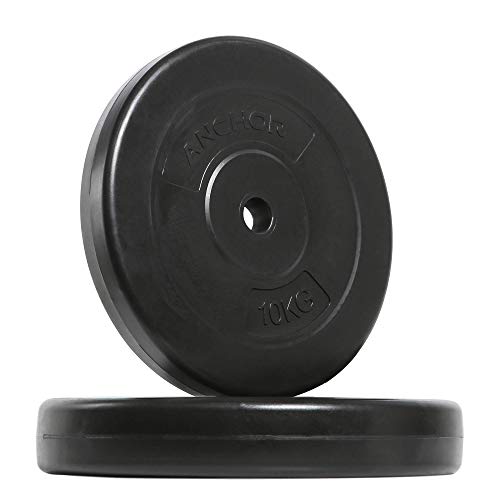
Rubber weight plates are plates with a rubber coating or rubber outer layer. They are designed to reduce noise, improve handling and help protect floors compared with bare metal plates.
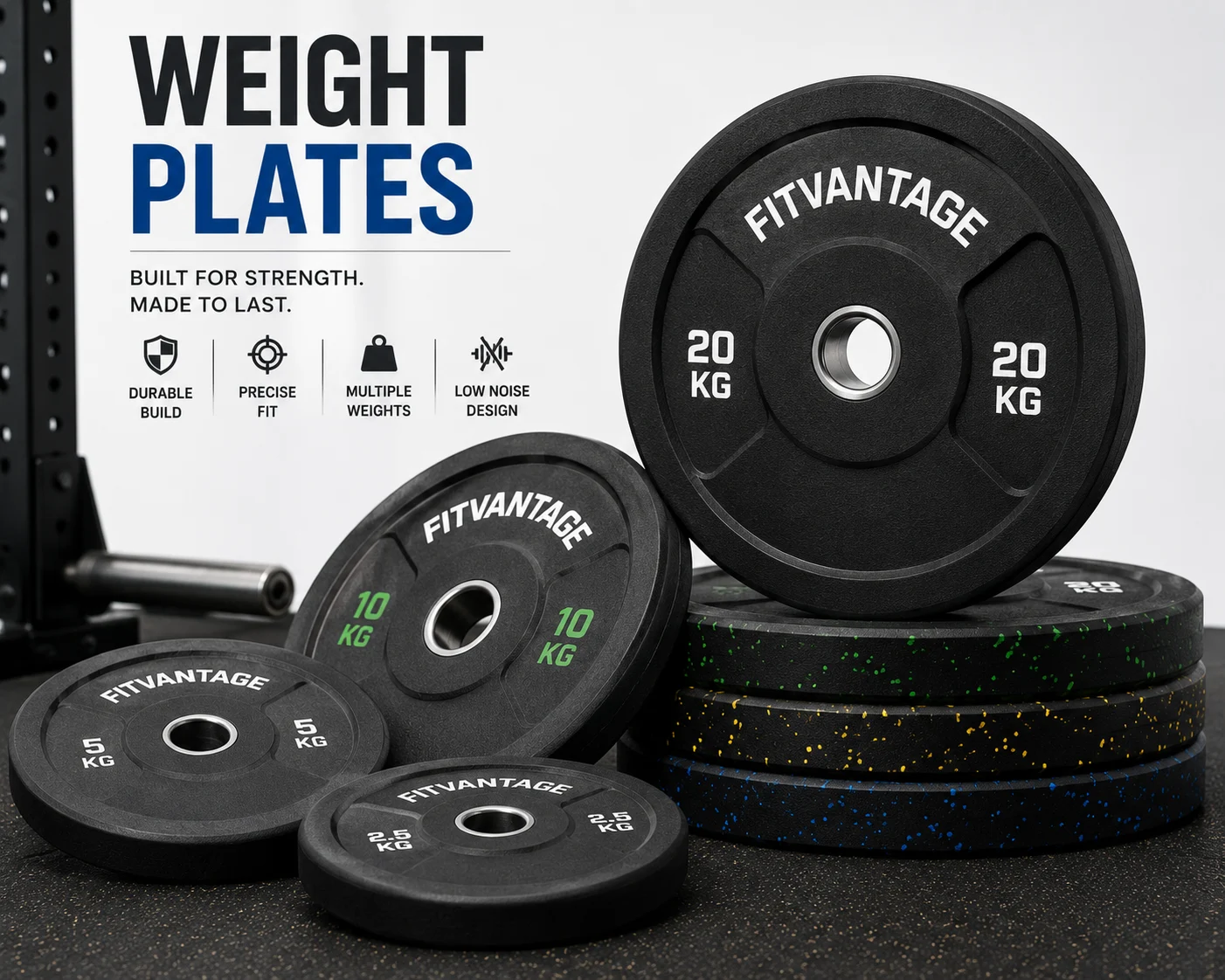
Rubber plates can come as Olympic plates, standard plates, tri-grip plates or bumper-style plates. Some are fully rubber-coated, while others have rubber around the outside with a metal centre insert.
What are cast iron weight plates?
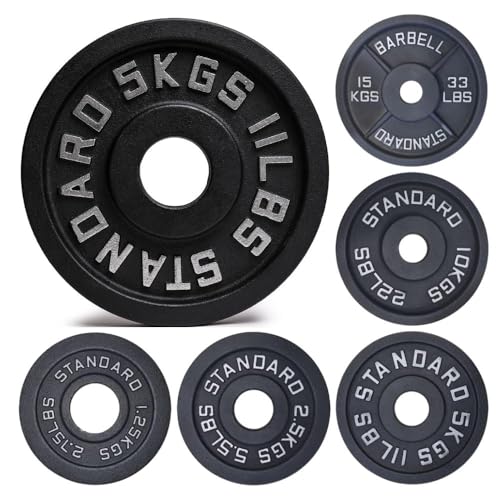
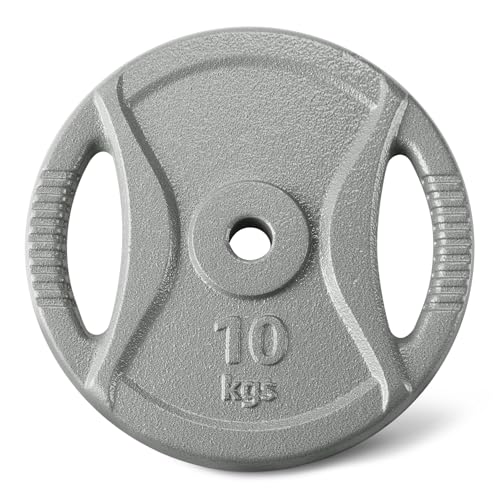
Cast iron weight plates are traditional metal plates made from iron. They are usually simple, durable and compact, making them popular for home gyms and strength training setups.
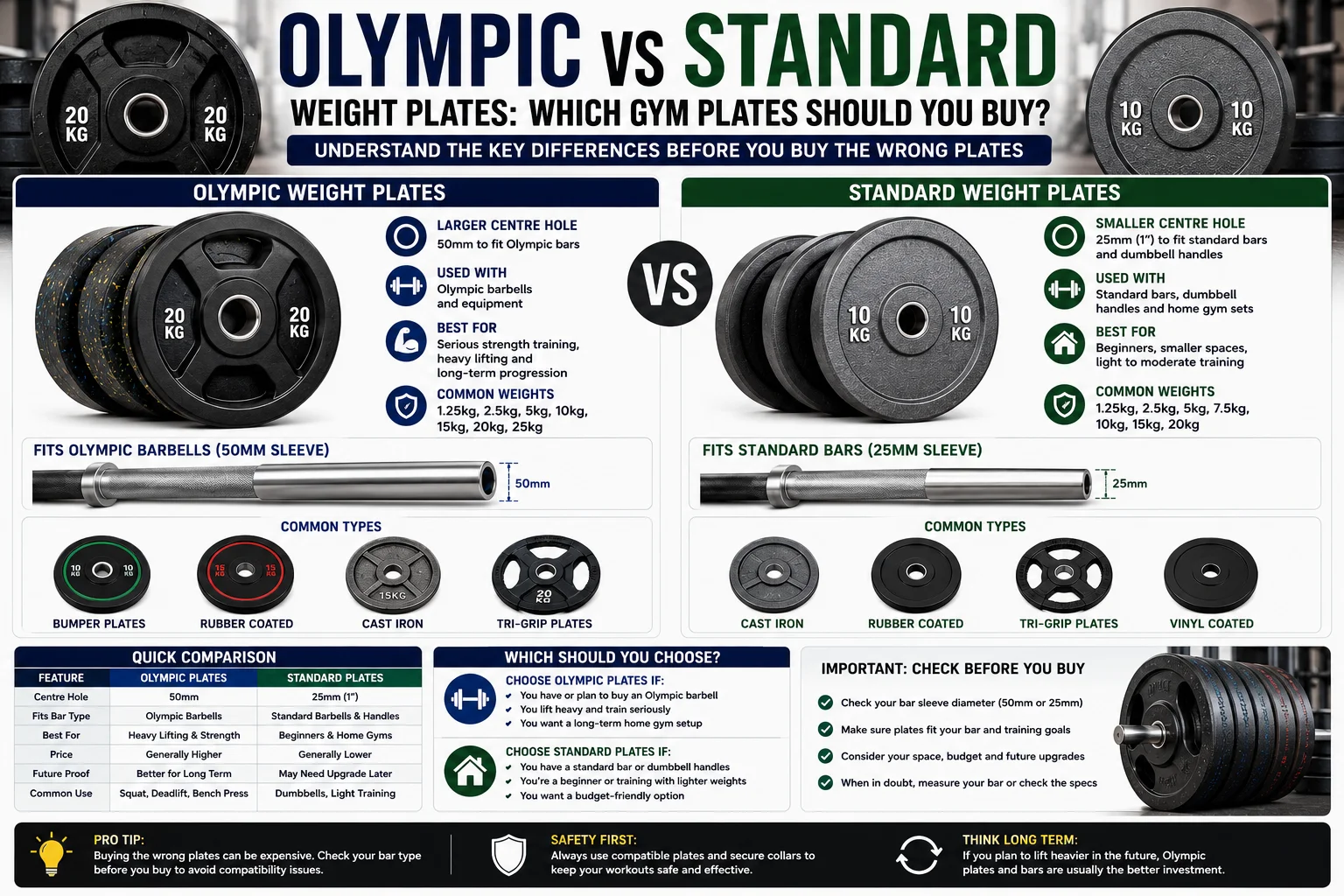
Cast iron plates can be Olympic or standard, depending on the centre hole size. They are commonly used for barbells, dumbbell handles and plate-loaded equipment.
Rubber vs cast iron weight plates: main difference
The main difference is the material and coating. Rubber plates have a softer outer layer that can reduce noise and help protect floors. Cast iron plates are bare metal and are usually thinner and more compact.
Rubber plates are often better for indoor home gyms where noise and floor protection matter. Cast iron plates are often better if you want simple, compact plates at a lower price.
Which plates are better for home gyms?
Rubber plates are often better for home gyms because they are quieter and more floor-friendly. This matters if you train indoors, live with family or neighbours, or train in a room where flooring could be damaged.
Cast iron plates can still be excellent for home gyms if you use gym flooring, lift carefully and want a more compact budget setup.
Which plates are better for beginners?
Beginners can use either rubber or cast iron plates. Rubber plates may feel easier to handle and more forgiving at home, especially if you are worried about noise or floor damage.
Cast iron plates may be better for beginners on a tighter budget. The key is choosing plates that fit your bar and include small increments for gradual progression.
Which plates are quieter?
Rubber plates are usually quieter than cast iron plates. The rubber coating helps reduce clanging when loading the bar or putting plates down.
Cast iron plates can be noisy, especially when they hit each other or are placed on hard floors. If noise matters, rubber plates are usually the better choice.
Which plates are better for floor protection?
Rubber plates are usually better for floor protection because the coating is softer than bare metal. They may reduce the chance of scratching or damaging flooring during normal handling.
However, rubber plates can still damage floors if dropped heavily. Use proper gym flooring or mats if you train at home, especially for deadlifts or heavier lifting.
Which plates are more durable?
Both rubber and cast iron plates can be durable if used properly. Cast iron plates are very simple and can last for many years, but they may chip, rust or scratch if stored badly.
Rubber plates can protect the metal core, but cheaper rubber coatings may split, smell or wear over time. Quality varies between products.
Which plates are cheaper?
Cast iron plates are often cheaper than rubber plates. They are simple to manufacture and usually do not include extra coating or specialist design features.
Rubber plates usually cost more, but the extra price may be worth it if you want quieter training, better handling and more floor protection.
Which plates take up less space?
Cast iron plates are usually thinner and more compact than rubber plates. This can be useful if you have limited storage space or need to fit more weight onto a barbell sleeve.
Rubber plates can be thicker, especially bumper plates. Before buying rubber plates, check whether you have enough storage space and enough bar sleeve space for heavier lifts.
Which plates are easier to handle?
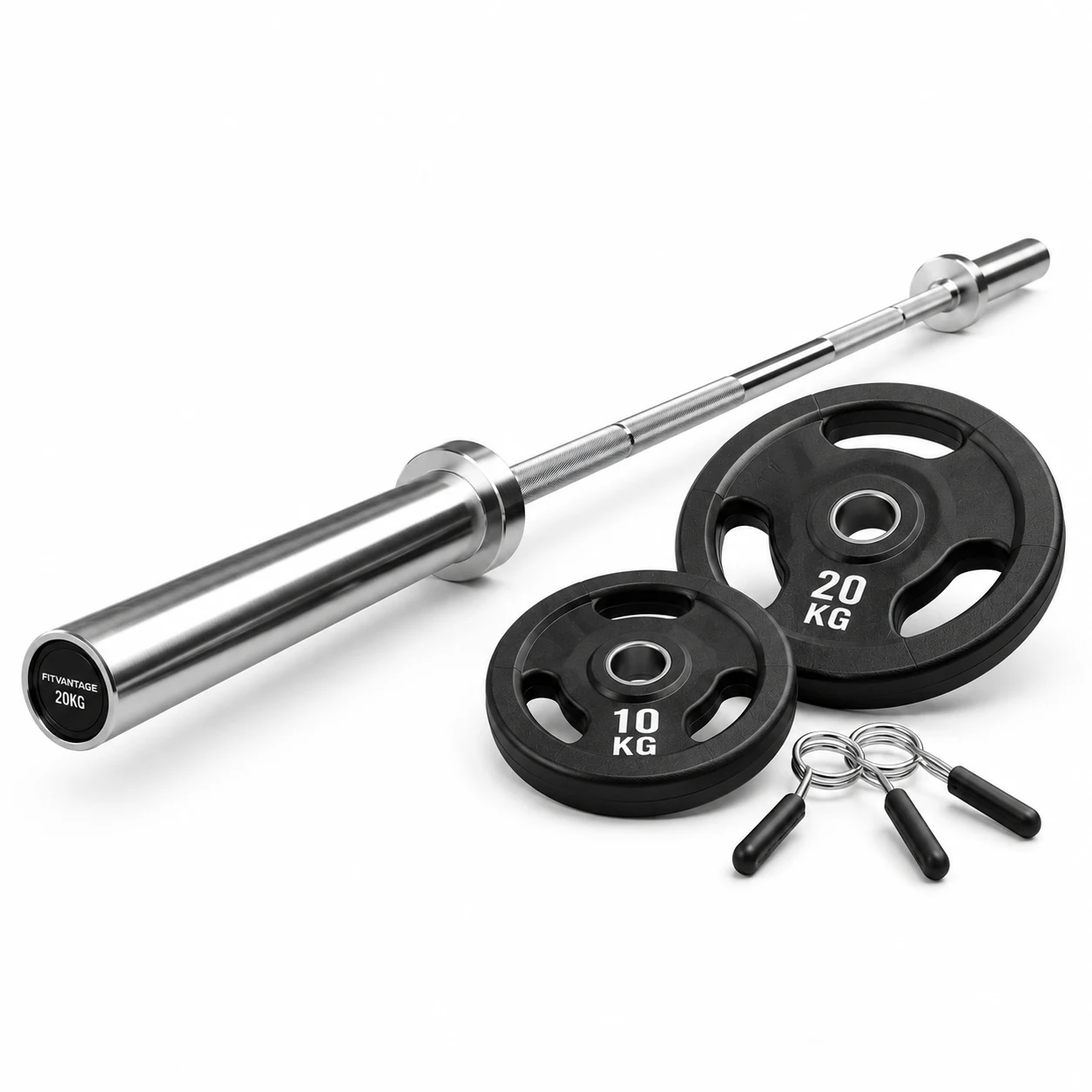
Rubber-coated tri-grip plates can be very easy to handle because they often have built-in grip holes and a softer surface. This makes loading and unloading the bar more comfortable.
Basic cast iron plates can be harder to pick up, especially if they have no grip holes. Cast iron tri-grip plates are easier to handle than flat iron plates.
Rubber plates for barbell training
Rubber plates can work well for barbell training, especially in home gyms where noise and floor protection matter. They are suitable for squats, bench press, rows, overhead press and controlled deadlifts.
If you plan to drop loaded barbells from height, consider bumper plates rather than basic rubber-coated plates.
Cast iron plates for barbell training
Cast iron plates are excellent for traditional barbell training. They are compact, durable and useful for strength exercises such as squats, deadlifts, bench press and rows.
Because they are bare metal, use proper flooring and avoid dropping them on hard surfaces.
Rubber plates for dumbbell handles
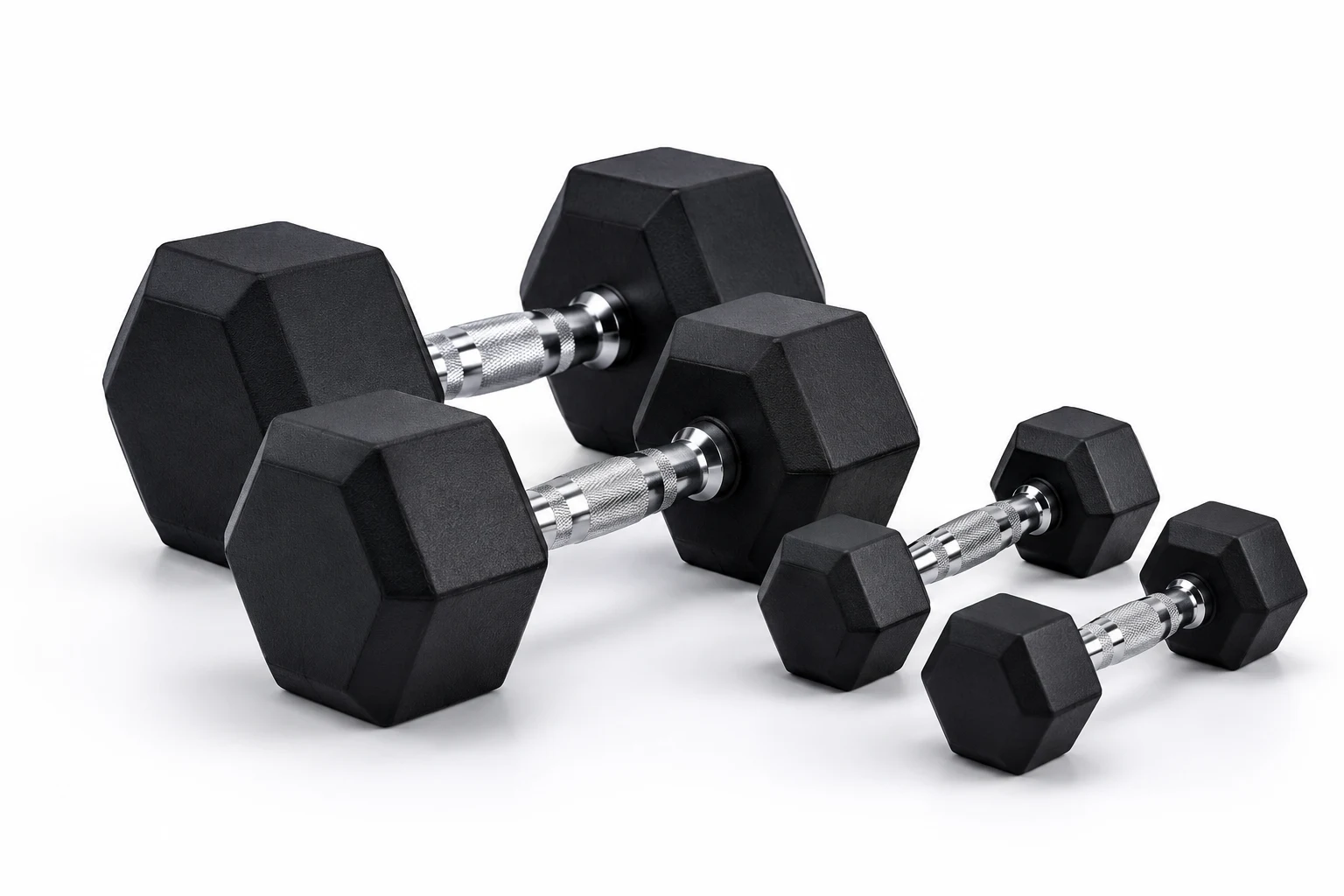
Rubber plates can be useful on dumbbell handles because they may feel more comfortable and less noisy than cast iron plates. Smaller rubber plates are usually easier to use than large thick plates.
Check whether your dumbbell handles use Olympic or standard plates before buying.
Cast iron plates for dumbbell handles
Cast iron plates are commonly used with adjustable dumbbell handles, especially standard handles. They are compact, affordable and easy to combine in different weight increments.
Large cast iron plates may still feel awkward on dumbbells, so smaller plate sizes are usually more practical.
Rubber plates vs cast iron plates for deadlifts
For controlled deadlifts, both rubber and cast iron plates can work. Rubber plates may reduce noise and floor impact, which is useful for home gyms.
If you plan to drop deadlifts or do Olympic-style lifting, bumper plates and proper lifting flooring are usually more suitable than basic rubber or cast iron plates.
Rubber plates vs bumper plates
Rubber-coated plates and bumper plates are not always the same. Rubber-coated plates may simply have a protective coating, while bumper plates are usually designed to be more suitable for dropping.
If dropping the bar is part of your training, look specifically for bumper plates rather than assuming any rubber plate is suitable.
Cast iron plates vs bumper plates
Cast iron plates are usually more compact and affordable, while bumper plates are thicker, quieter and more suitable for Olympic lifting or workouts where the bar may be dropped.
For traditional strength training, cast iron plates can be enough. For Olympic lifting, bumper plates are usually the better option.
Rubber vs cast iron plates for small spaces
Cast iron plates may be better for small spaces because they are thinner and easier to store in compact setups.
Rubber plates may still be better if the small space is indoors and noise or floor protection is a concern. The best choice depends on what matters more: compact storage or quieter training.
Rubber vs cast iron plates for garage gyms
Garage gyms can work well with either rubber or cast iron plates. Rubber plates are useful if you want less noise and more floor protection, while cast iron plates are useful if you want compact weight at a lower cost.
If your garage has concrete flooring, use mats or lifting platforms to protect both the plates and the floor.
Can rubber plates smell?
Some rubber plates may have a rubber smell when new. This can vary by product and material quality.
If smell matters, check reviews before buying and consider airing the plates in a ventilated space before using them indoors.
Can cast iron plates rust?
Cast iron plates can rust if they are exposed to moisture or stored in damp spaces. This is especially relevant for garages, sheds and outdoor storage areas.
To reduce rust risk, keep plates dry, store them properly and avoid leaving them on damp floors.
Common mistakes when choosing between rubber and cast iron
One common mistake is buying cast iron plates for an upstairs room or flat without considering noise and floor protection. Heavy metal plates can be loud and harsh on flooring.
Another mistake is buying thick rubber plates without checking bar sleeve space. If plates are too thick, you may not fit as much weight on the bar.
Final thoughts
Rubber weight plates are usually better for home gyms where noise, floor protection and handling matter. Cast iron weight plates are usually better if you want compact, simple and affordable plates for traditional strength training.
The right choice depends on your bar type, training space, budget and lifting style. If you train indoors and want quieter workouts, choose rubber. If you want maximum value and compact storage, cast iron may be the better option.