Introduction
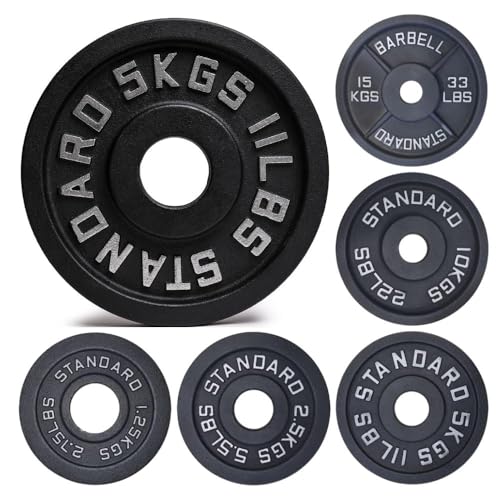
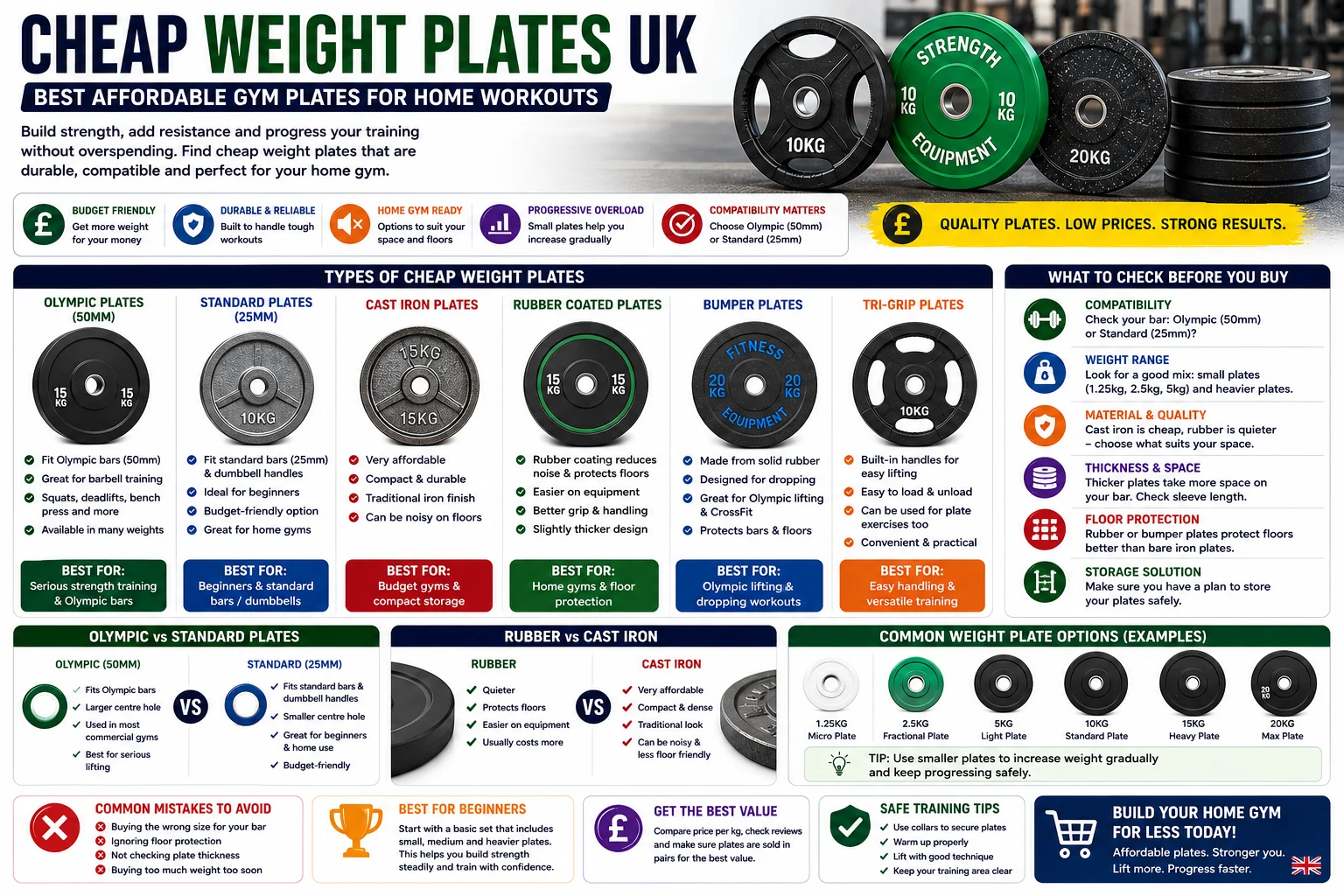
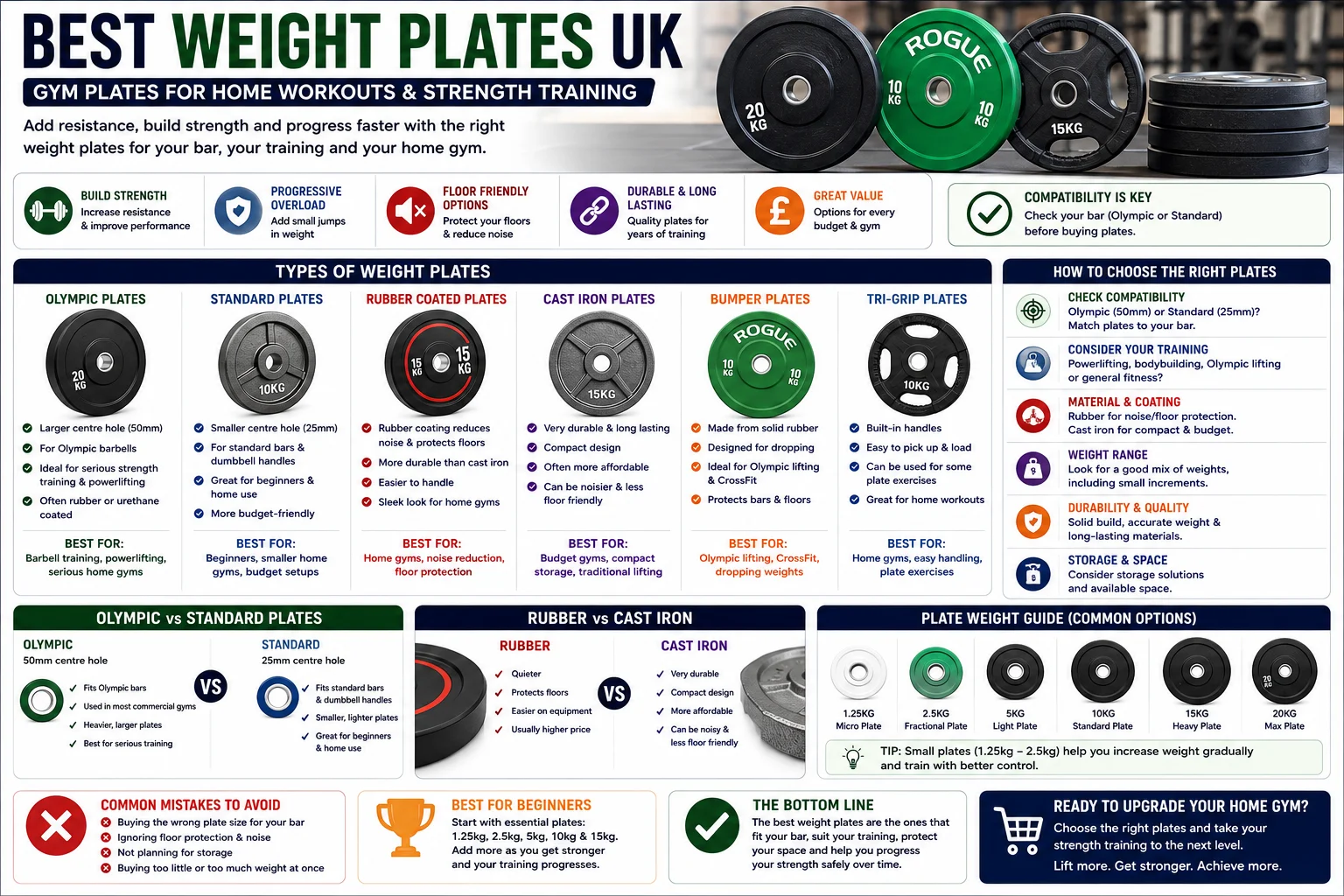
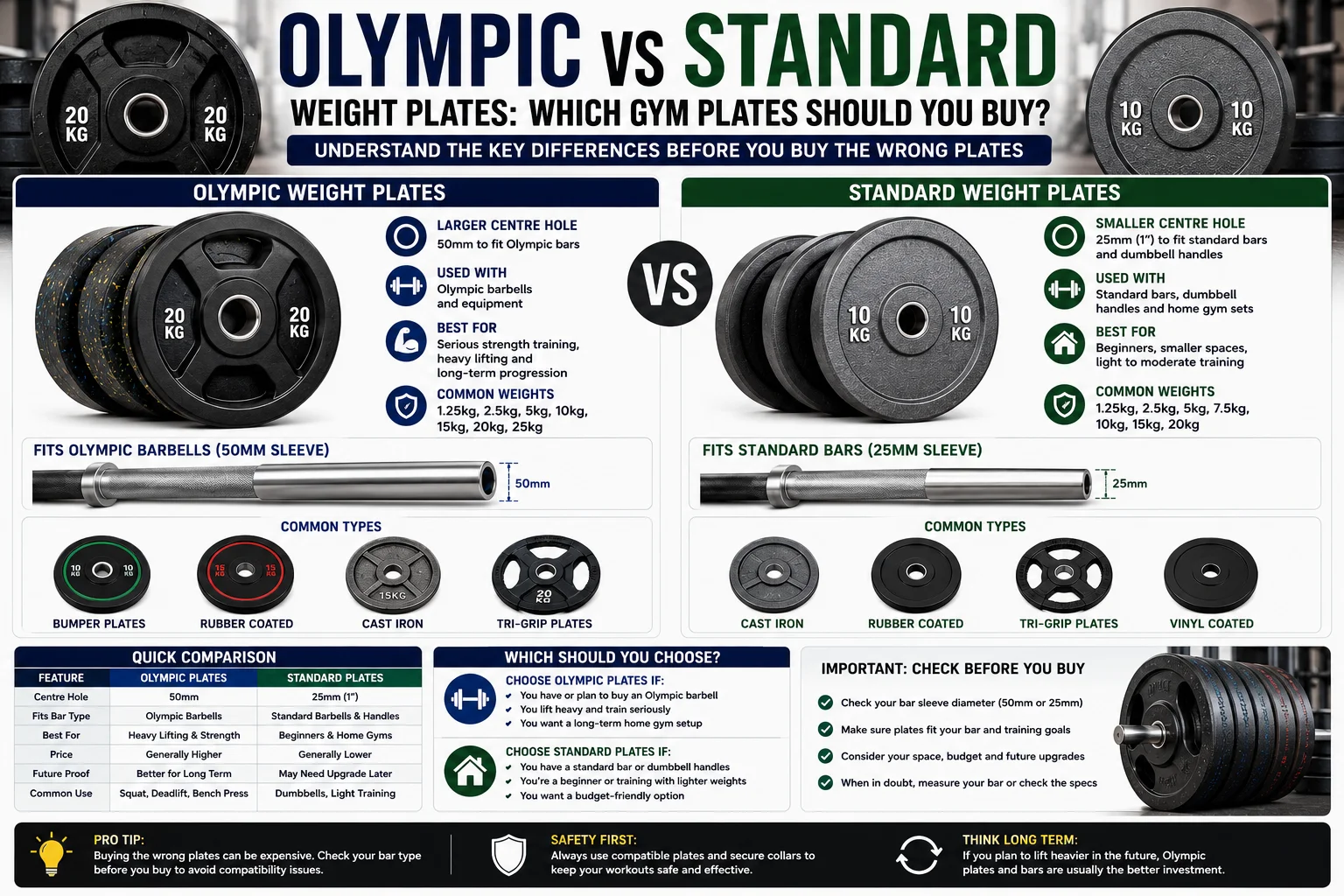
Olympic and standard weight plates may look similar at first, but they are not the same. The biggest difference is the centre hole size, which determines whether the plate fits your barbell, dumbbell handles or gym equipment.
Choosing the wrong type can be an expensive mistake. Olympic plates are usually used with Olympic barbells and serious strength setups, while standard plates are often used with smaller bars, beginner sets and adjustable dumbbell handles.
In this guide, we compare Olympic vs standard weight plates so you can choose the right gym plates for home workouts, barbell training, dumbbell handles and strength progression.
What are Olympic weight plates?
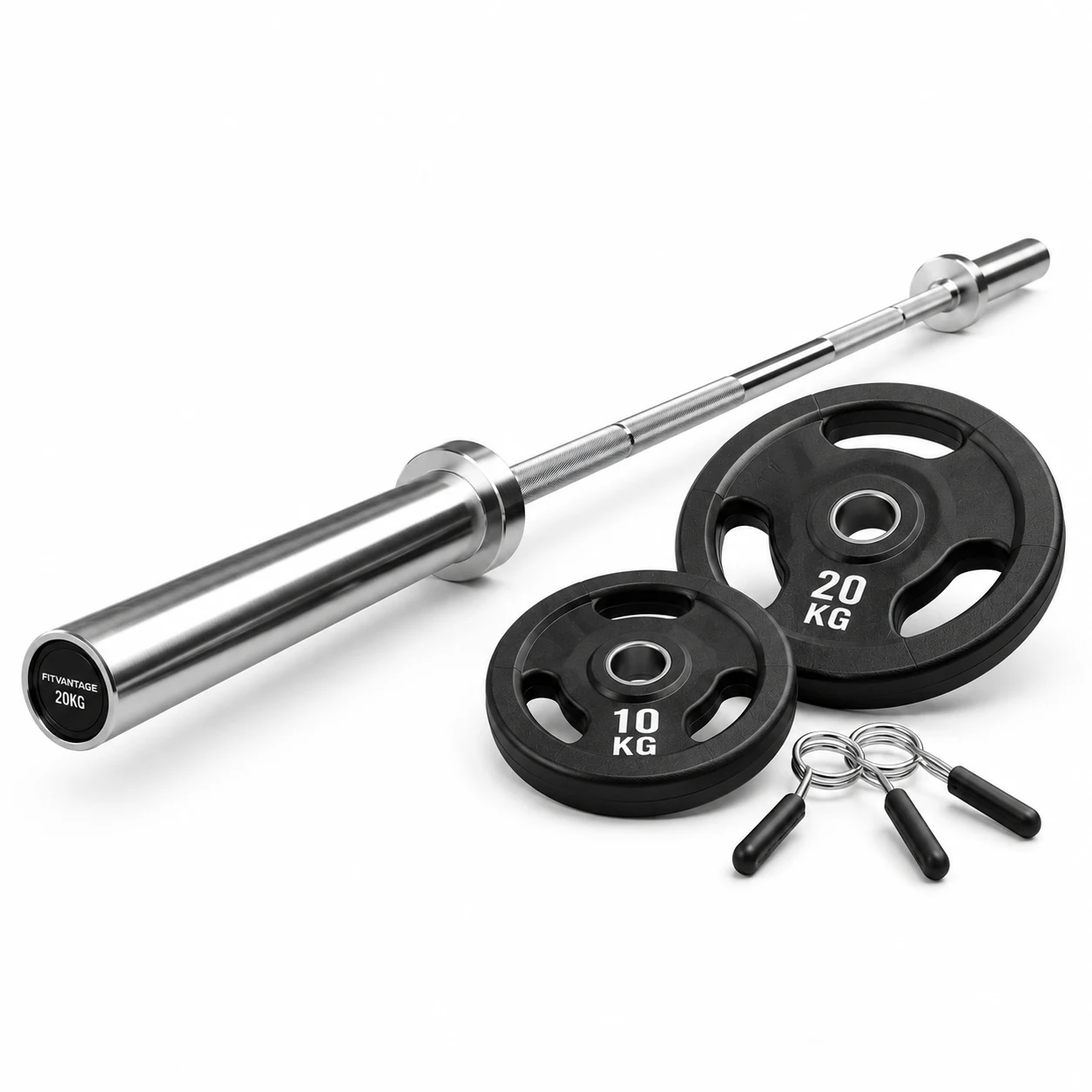
Olympic weight plates are plates designed for Olympic barbells and equipment. They usually have a larger centre hole, commonly around 50mm, to fit Olympic bar sleeves.
Olympic plates are common in commercial gyms, garage gyms, powerlifting setups and serious home gym environments. They are often used for squats, deadlifts, bench press, rows and overhead press.
What are standard weight plates?
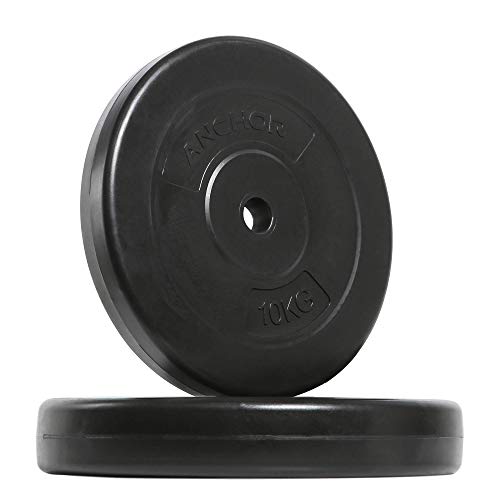
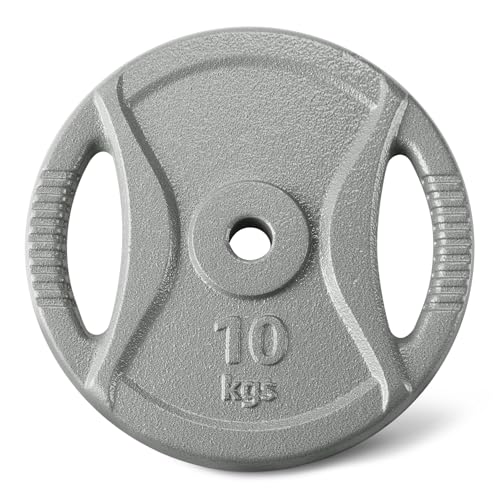
Standard weight plates are designed for standard bars and adjustable dumbbell handles. They usually have a smaller centre hole, commonly around 25mm or 1 inch, depending on the equipment.
Standard plates are often used in beginner home gym sets, smaller barbell kits and compact strength training setups.
Olympic vs standard weight plates: main difference
The main difference between Olympic and standard weight plates is the centre hole size. Olympic plates have a larger hole for Olympic bars, while standard plates have a smaller hole for standard bars.
This means they are not normally interchangeable. Before buying any plates, you must check what type of bar or dumbbell handle you already own.
Which plates fit Olympic barbells?
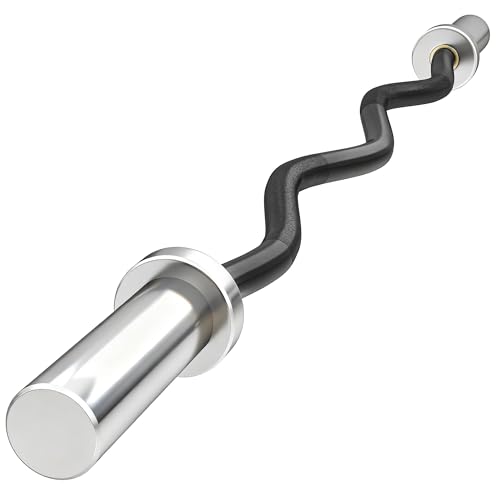
Olympic barbells require Olympic weight plates. These plates have a larger centre hole designed to slide onto the thicker sleeves of Olympic bars.
If you own or plan to buy a full-size Olympic barbell, Olympic plates are usually the correct choice.
Which plates fit standard bars?
Standard bars require standard weight plates. These plates have a smaller centre hole and are designed for thinner standard bar sleeves.
Standard plates will not fit properly on Olympic bars, and Olympic plates will not fit securely on standard bars unless specific adapters are used, which is not always ideal.
Which plates are better for home gyms?
For long-term home gym setups, Olympic plates are usually better if you plan to do serious barbell training. They work with Olympic bars, racks, benches and heavier strength training equipment.
Standard plates can still be useful for smaller spaces, beginners, adjustable dumbbell handles and lighter training. They may be cheaper and more compact for simple home workouts.
Which plates are better for beginners?
Beginners can use either Olympic or standard plates, but the better option depends on the equipment they already have.
If you are starting with a basic barbell and dumbbell handle set, standard plates may be enough. If you want a stronger long-term setup for squats, deadlifts and bench press, Olympic plates may be the better investment.
Which plates are better for barbell training?
Olympic plates are usually better for barbell training because they are designed for Olympic bars, heavier lifting and more serious strength progression.
They are suitable for compound lifts such as squats, deadlifts, bench press, rows and overhead press. They are also more common in commercial gym-style setups.
Which plates are better for dumbbell handles?
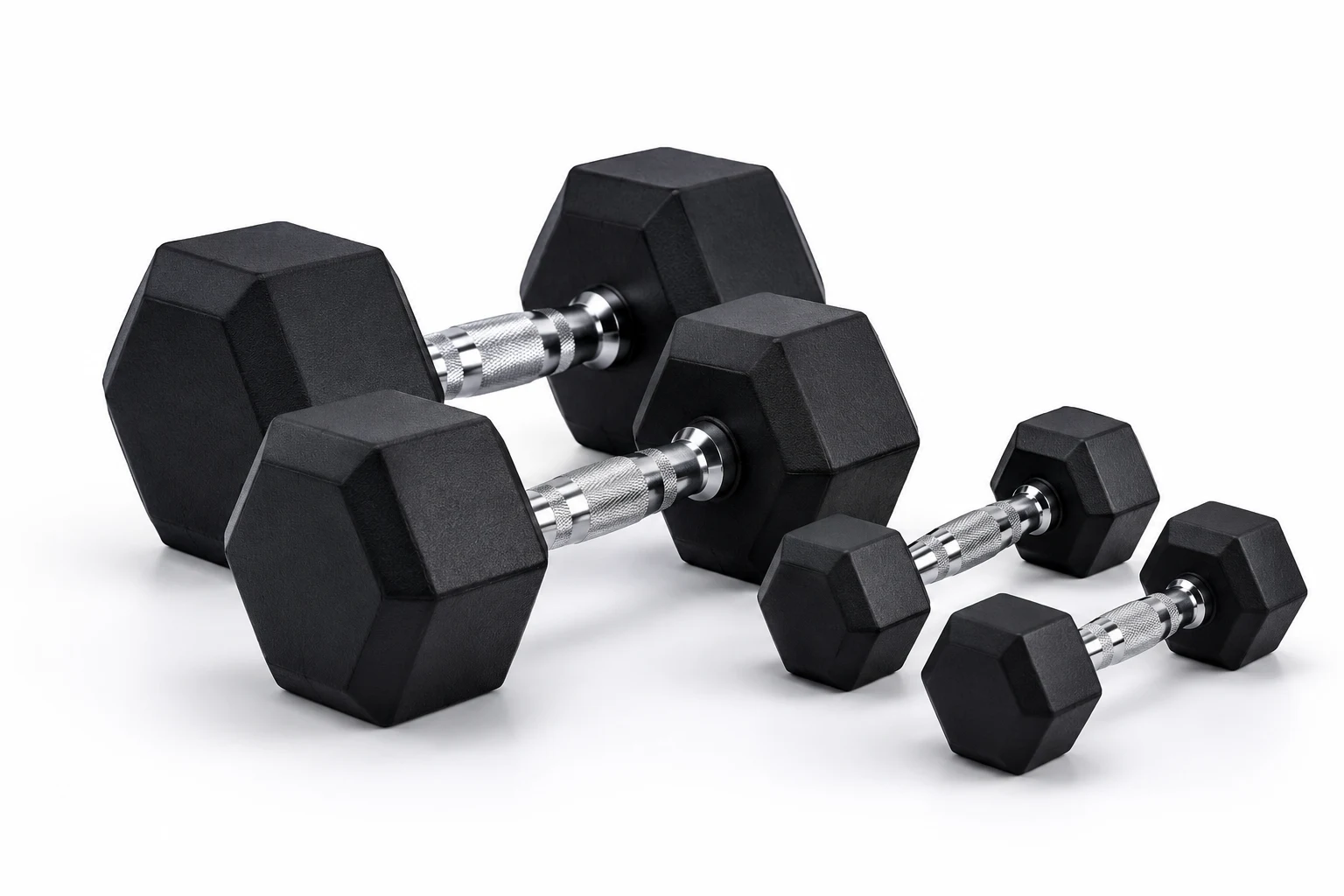
Many adjustable dumbbell handles use standard plates, especially budget home gym sets. Smaller standard plates can be easier to use on dumbbells because large Olympic plates may feel bulky.
However, some Olympic dumbbell handles do exist. Always check the handle specification before buying plates.
Olympic plates for strength training
Olympic plates are a strong choice for progressive strength training. They are usually used with a full-size Olympic barbell, which is better suited to heavier lifts and rack-based training.
If you plan to build strength seriously over time, Olympic plates may give you more flexibility and a better upgrade path.
Standard plates for strength training
Standard plates can still support strength training, especially for beginners or people training with lighter loads. They are useful for curls, shoulder presses, lunges, rows and smaller home gym exercises.
However, standard bars may not be suitable for very heavy lifting, so check the maximum load rating of your equipment.
Olympic plate advantages
Olympic plates are usually better for serious barbell training, heavier lifts and long-term home gym development. They fit Olympic barbells, which are common in commercial gyms and strength training setups.
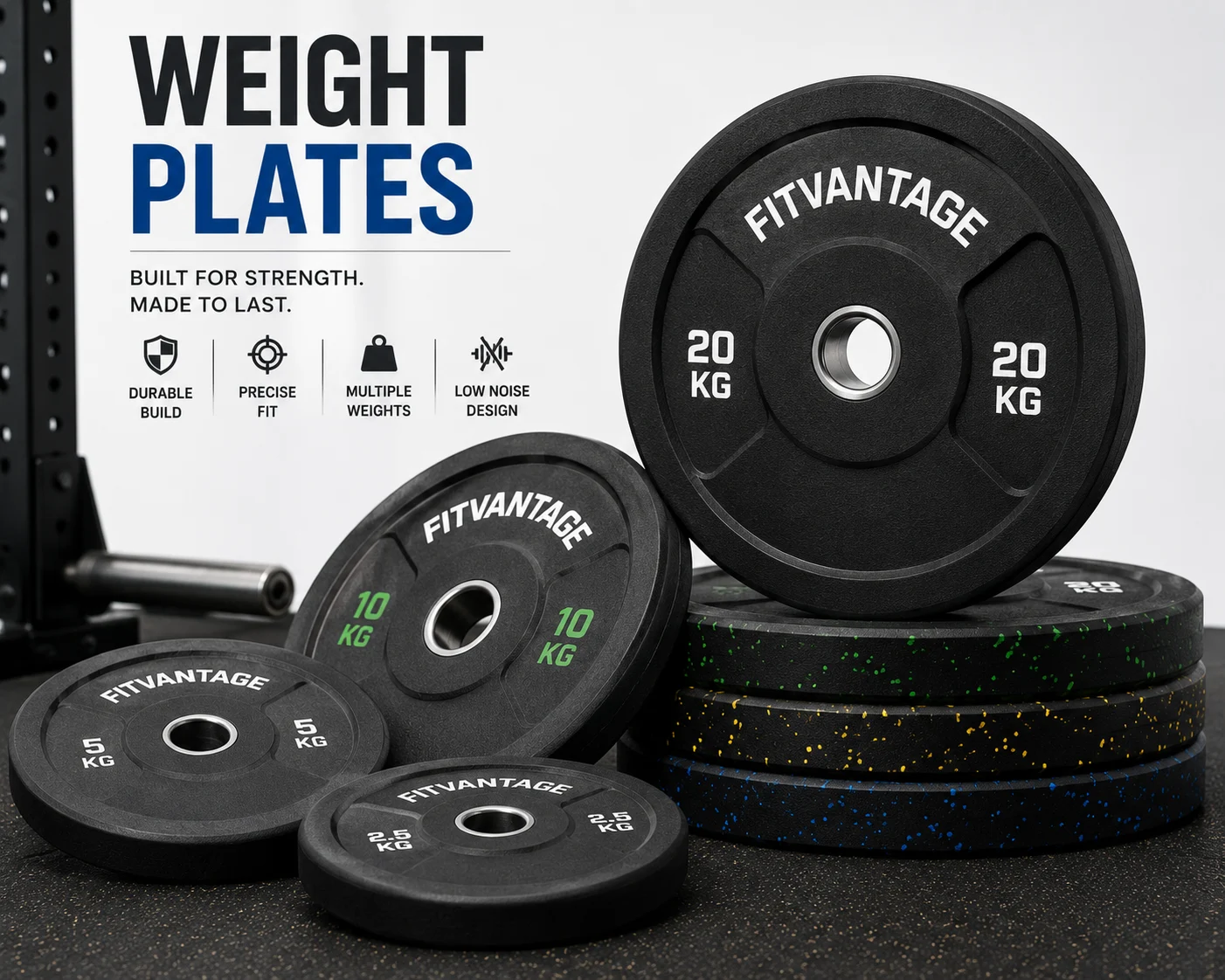
They also come in many styles, including rubber-coated plates, cast iron plates, bumper plates and tri-grip plates.
Olympic plate disadvantages
Olympic plates can be more expensive than standard plates. Olympic bars and equipment may also cost more, especially if you are building a full home gym.
They can also take up more space, particularly bumper plates and thicker rubber plates.
Standard plate advantages
Standard plates are often cheaper, smaller and suitable for basic home workouts. They can be useful with adjustable dumbbell handles and lighter barbell sets.
They may be a good starting point if you are training in a small space or do not need heavy barbell lifting yet.
Standard plate disadvantages
Standard plates are less suitable for serious heavy barbell training. Standard bars may have lower weight limits, and the equipment may not feel as stable as Olympic setups.
If you later upgrade to an Olympic bar, your standard plates may no longer be useful with the new bar.
Olympic vs standard plates for progressive overload
Both Olympic and standard plates can support progressive overload if you have enough small and medium plates. The key is being able to increase weight gradually over time.
Olympic setups are usually better for long-term progression with heavy compound lifts, while standard setups can work well for lighter training and beginner progression.
Olympic vs standard plates for small spaces
Standard plates may be better for small spaces because they are often used with shorter bars and compact dumbbell handles. They can be easier to store in a small room.
Olympic plates may need more space, especially if you also use a full-size barbell, squat rack and bench.
Olympic vs standard plates for budget
Standard plates are often cheaper upfront, especially in beginner sets. This can make them attractive for people building a basic home gym on a budget.
Olympic plates may cost more, but they can be a better long-term investment if you plan to train seriously and upgrade your equipment over time.
Can you mix Olympic and standard weight plates?
You should not assume Olympic and standard plates can be mixed. They are designed for different bar sizes, and using the wrong plate can be unsafe or impractical.
Some adapters exist, but they are not always ideal. It is usually better to build your setup around one plate type.
How to check which weight plates you need
Check your bar sleeve diameter before buying plates. Olympic bars usually need plates with a larger centre hole, while standard bars need plates with a smaller centre hole.
If you already own a barbell or dumbbell handles, check the product listing, manual or measure the sleeve before ordering.
Common mistakes when choosing weight plates
One common mistake is buying plates based only on price without checking compatibility. A cheap set is useless if it does not fit your bar.
Another mistake is buying standard plates first, then upgrading to an Olympic bar soon after. If you know you want serious barbell training, it may be better to start with Olympic equipment.
Final thoughts
Olympic weight plates are usually better for serious barbell training, heavier lifts and long-term home gym setups. Standard weight plates are usually better for smaller budgets, beginner kits, compact spaces and adjustable dumbbell handles.
The right choice depends on your bar, your training goals and your future upgrade plans. Before buying, check the centre hole size and make sure the plates match your equipment.