Introduction
Heart rate monitors can be useful for tracking workout intensity, cardio zones, running effort and fitness progress. But one of the biggest questions shoppers ask is simple: are heart rate monitors accurate?
The answer depends on the type of heart rate monitor, how it is worn, the workout you are doing and how well the device fits your body. Chest straps, arm bands, wrist watches and fitness trackers can all give useful data, but they do not always perform the same way.
In this guide, we explain how accurate heart rate monitors are, what affects readings and how to choose the right type for running, gym training, HIIT, cycling and everyday fitness tracking.
Are heart rate monitors accurate?
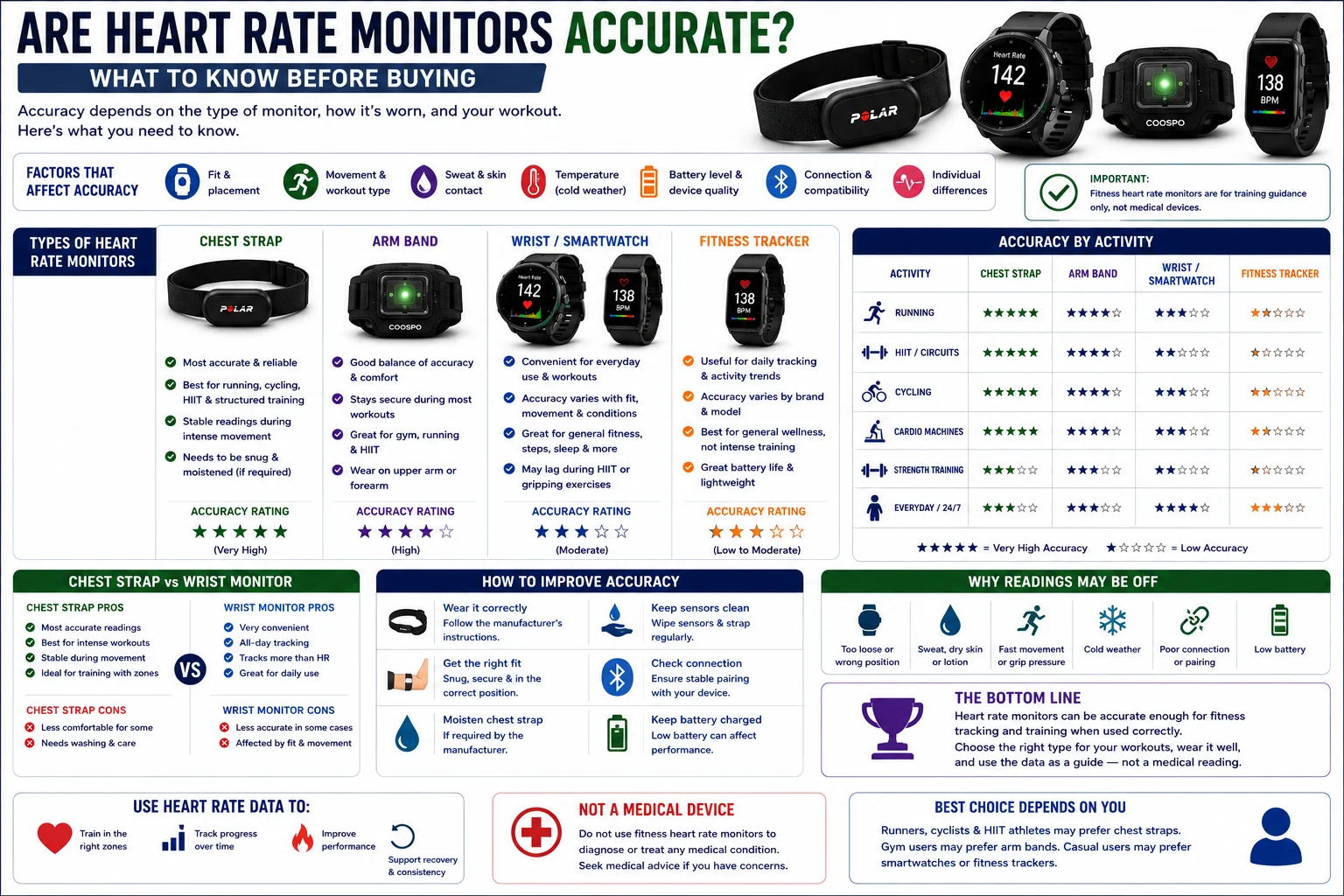
Heart rate monitors can be accurate enough for fitness tracking, workout guidance and training zones when used correctly. However, accuracy varies between chest straps, wrist monitors, arm bands and smartwatches.
For general fitness users, a good heart rate monitor can provide useful guidance. For medical concerns, you should not rely on a fitness heart rate monitor as a medical device.
What affects heart rate monitor accuracy?
Heart rate monitor accuracy can be affected by fit, sensor type, movement, sweat, skin contact, cold weather, battery level, app compatibility and workout style.
A monitor that is loose, badly positioned or poorly paired may give less reliable readings. Correct fit is often just as important as the device itself.
Chest strap heart rate monitor accuracy
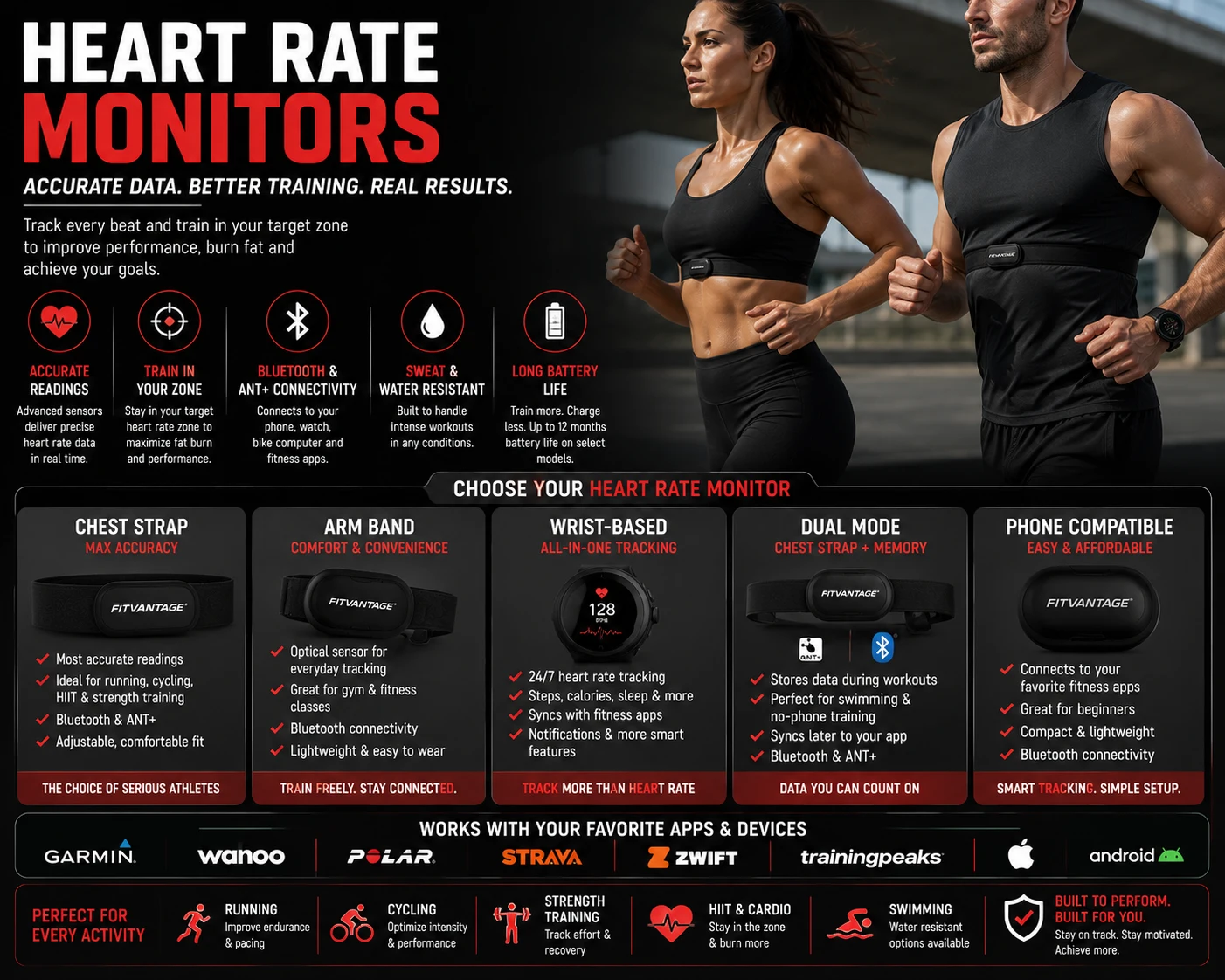
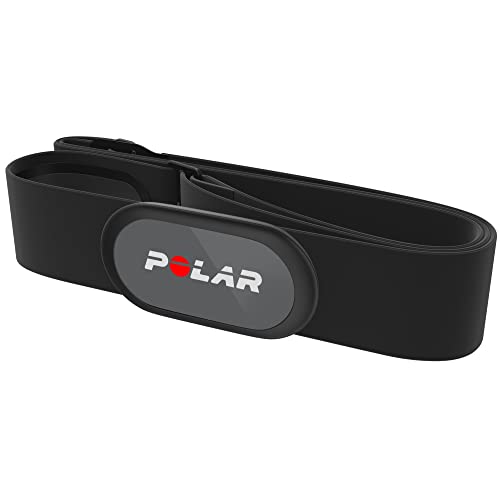
Chest strap heart rate monitors are often preferred by runners, cyclists and serious fitness users because they can provide stable workout readings.
They are worn around the chest and usually work best when the strap is snug, correctly positioned and slightly moistened if required by the product instructions.
Wrist heart rate monitor accuracy
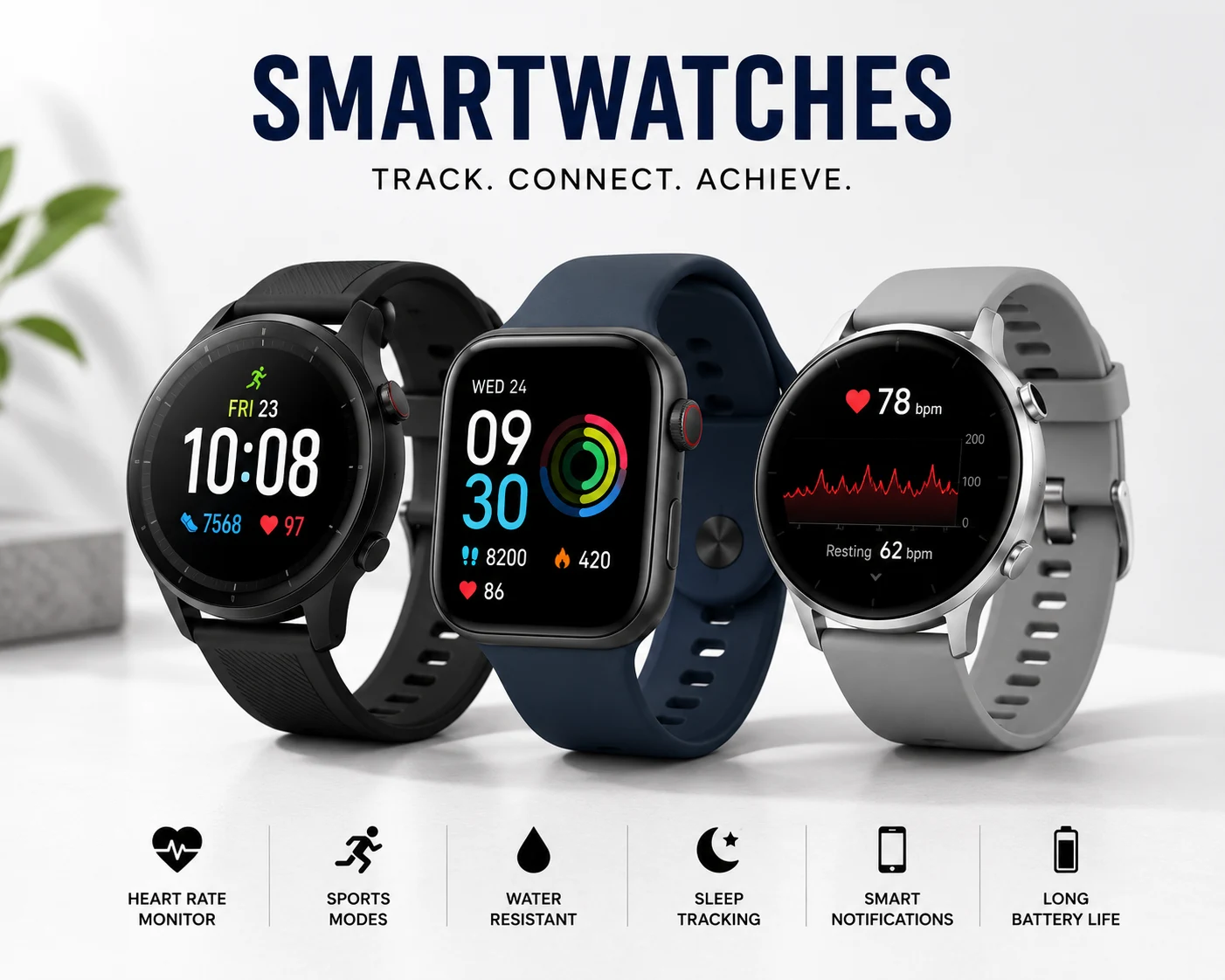
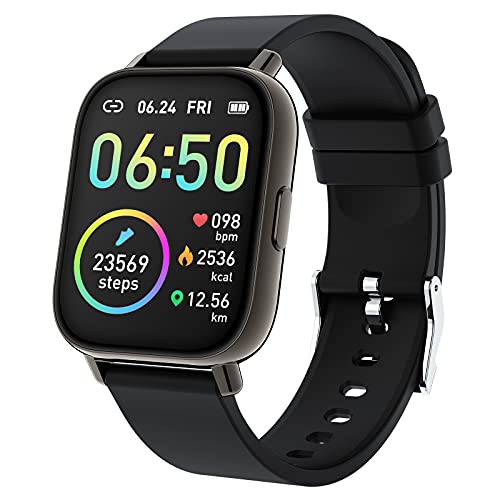
Wrist heart rate monitors are convenient because they are built into smartwatches and fitness trackers. They are useful for everyday tracking, general workouts and daily activity trends.
However, wrist readings can vary more during intense movement, loose fit, cold weather, sweat, gripping exercises or workouts where the watch moves around.
Arm band heart rate monitor accuracy
Arm band heart rate monitors can be a good middle option between chest straps and wrist trackers. They are usually worn on the upper arm or forearm and can feel more comfortable than chest straps.
They can provide useful workout data for running, gym training and HIIT, especially when worn securely and paired properly with your app or watch.
Smartwatch heart rate accuracy
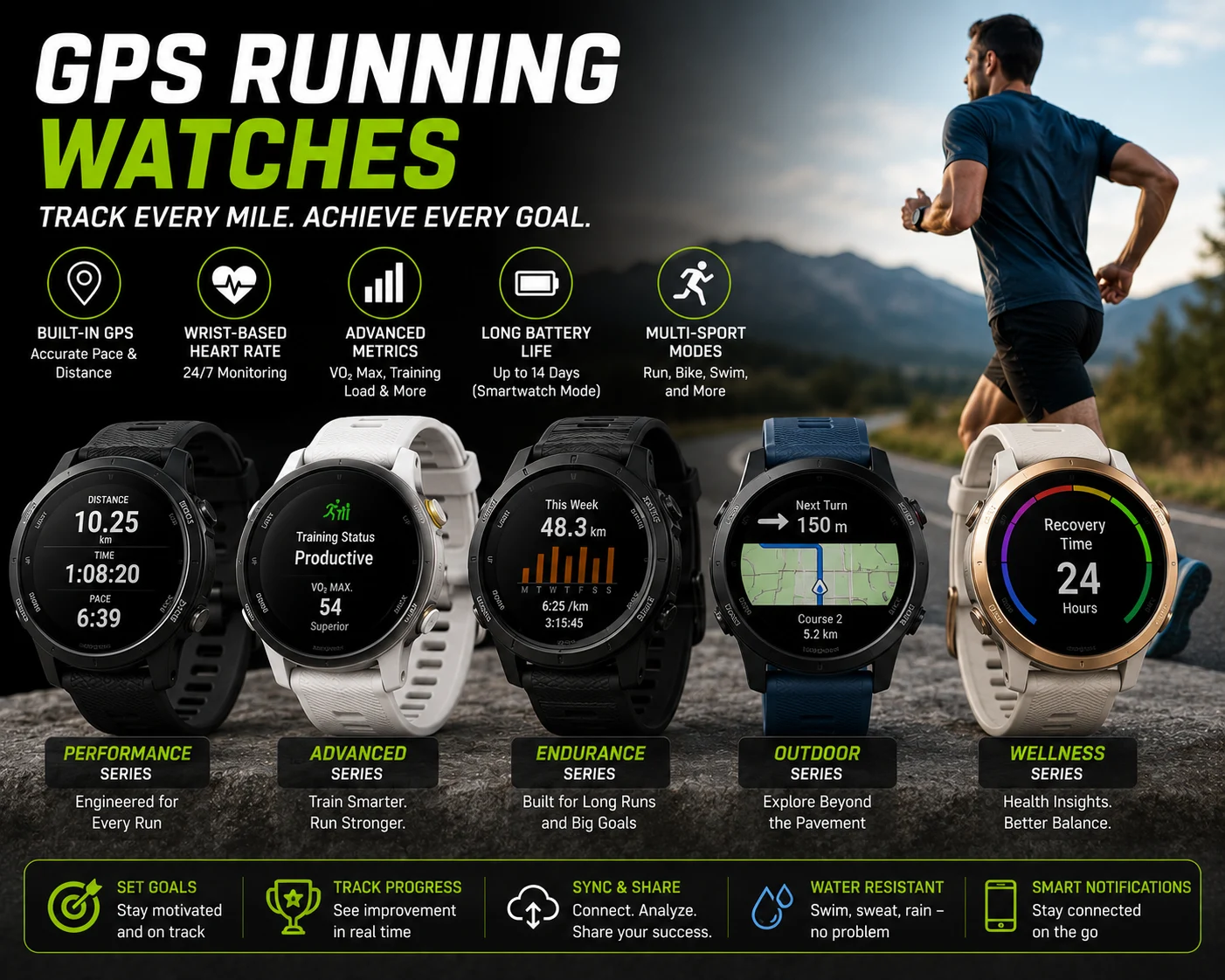
Smartwatches are convenient because they often include heart rate tracking, GPS, steps, sleep tracking, notifications and workout modes in one device.
For daily use and general fitness, smartwatch heart rate data can be useful. For structured intervals, fast running or high-intensity training, some users prefer pairing a smartwatch with a chest strap or arm band.
Are heart rate monitors accurate for running?
Heart rate monitors can be useful for running because they help track effort, pace control and training zones. Chest straps are often chosen by runners who want stable readings during intervals, tempo runs and long runs.
Wrist monitors can still be useful for casual running, but the accuracy may depend on watch fit, arm movement, sweat and temperature.
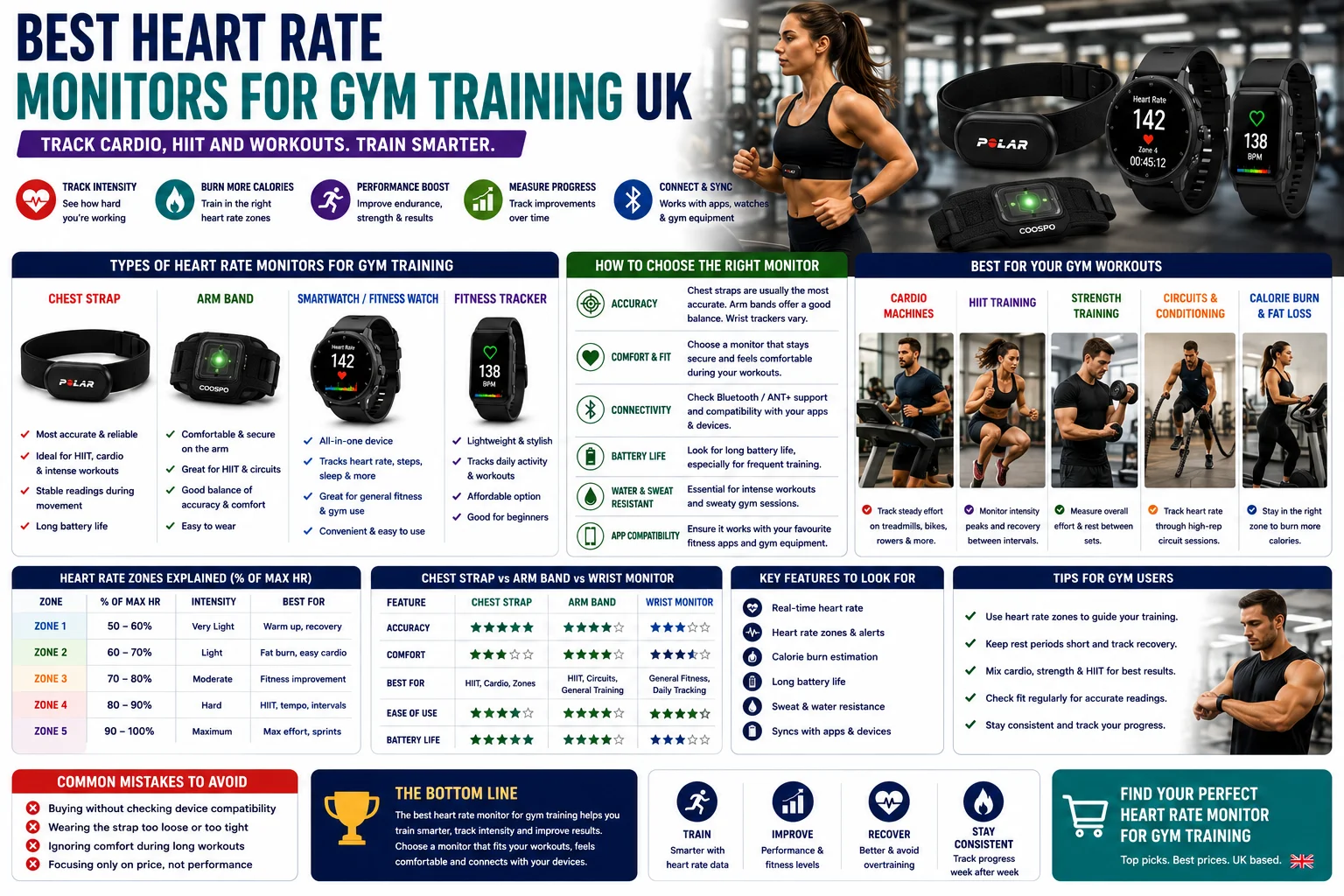
Are heart rate monitors accurate for gym training?
Heart rate monitors can be useful in the gym, especially for treadmills, exercise bikes, rowing machines, stair climbers, circuits and HIIT workouts.
For strength training, heart rate is only one part of the picture. Weight lifted, reps, sets, rest time and progression are also important. Wrist readings may vary during gripping exercises or fast movement.
Are heart rate monitors accurate for HIIT?
HIIT workouts can be challenging for heart rate monitors because intensity changes quickly and movements can be dynamic. A secure fit is especially important.
Chest straps and arm bands may be more stable than loose wrist monitors during sprints, burpees, circuits or fast transitions.
Are heart rate monitors accurate for cycling?
Cyclists often use chest strap heart rate monitors because they can provide stable readings and connect to cycling computers, watches or apps.
Wrist monitors can be useful for casual cycling, but wrist position on handlebars may affect readings for some users.
Are heart rate monitors accurate for calorie tracking?
Heart rate monitors can help estimate calorie burn, but calorie estimates are not perfectly accurate. They are based on heart rate data plus assumptions such as age, weight, sex, fitness level and workout type.
Use calorie numbers as rough guidance rather than exact measurements. They can be useful for trends, but they should not be treated as perfect figures.
Are heart rate zones accurate?
Heart rate zones are useful for estimating workout intensity, but they are not perfect. Many devices use formulas based on estimated maximum heart rate, which may not match every individual.
Zones can still help with training structure. Use them alongside breathing, perceived effort, pace and recovery.
Why does my heart rate monitor show wrong readings?
A heart rate monitor may show wrong readings if it is too loose, worn in the wrong position, has poor skin contact, is low on battery or is struggling during fast movement.
Cold weather, sweat, tattoos, hair, strap dryness, app pairing issues and sensor movement can also affect readings.
How to improve heart rate monitor accuracy
To improve accuracy, wear the monitor correctly, tighten it enough to stay secure, keep sensors clean and check that it is paired properly with your device.
For chest straps, follow the manufacturer’s setup guidance. For wrist monitors, wear the watch snugly and slightly above the wrist bone during workouts.
Chest strap vs wrist monitor accuracy
Chest straps are often preferred for stable workout heart rate readings. They are especially useful for running, cycling, HIIT and structured heart rate zone training.
Wrist monitors are more convenient for all-day tracking and casual fitness use, but readings may vary more during movement or loose fit.
Arm band vs wrist monitor accuracy
Arm band heart rate monitors may provide more stable workout readings than some wrist monitors because they can sit more securely on the upper arm or forearm.
They may suit people who dislike chest straps but want something more training-focused than a wrist tracker.
Bluetooth heart rate monitor accuracy
Bluetooth itself does not decide accuracy. Bluetooth is the connection method that sends data to your phone, app, watch or gym equipment.
The accuracy depends more on the sensor type, fit, device quality and workout conditions. However, reliable Bluetooth pairing is important so data transfers correctly.
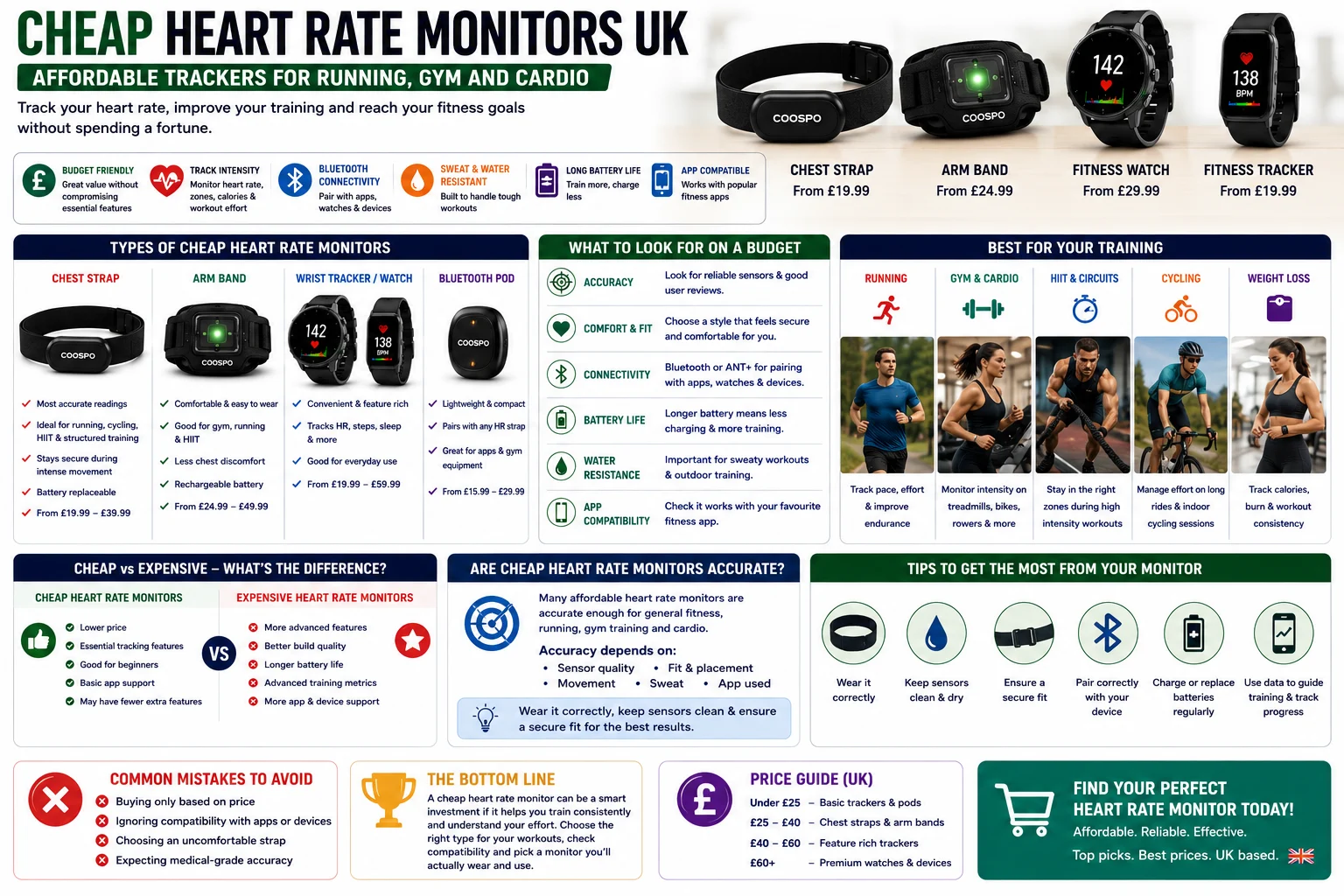
Are cheap heart rate monitors accurate?
Some cheap heart rate monitors can be accurate enough for general fitness, while others may be less reliable. Price is not the only factor, but very low-cost devices may have weaker sensors, poorer fit or less reliable connectivity.
Before buying, check product reviews, compatibility, battery life and whether the monitor suits your workout style.
Are heart rate monitors good for beginners?
Heart rate monitors can be useful for beginners because they help show workout effort clearly. They can stop beginners from training too hard in every session.
Beginners do not need the most advanced device. A simple, comfortable monitor that is easy to understand is often better than a complicated tracker with too many features.
Can heart rate monitors detect health problems?
Fitness heart rate monitors are designed for training and activity tracking, not medical diagnosis. They may show useful heart rate trends, but they should not be used as a replacement for medical assessment.
If you have chest pain, fainting, unusual breathlessness, persistent palpitations or health concerns, seek medical advice rather than relying on a fitness tracker.
Common mistakes when judging accuracy
One common mistake is expecting fitness heart rate monitors to behave like medical equipment. Most consumer devices are designed for workout guidance, not clinical diagnosis.
Another mistake is comparing devices while wearing them incorrectly. A loose watch or badly positioned strap can make a good monitor look inaccurate.
Final thoughts
Heart rate monitors can be accurate enough for fitness tracking, running, gym training, HIIT and cardio zones when used correctly. Chest straps are often best for stable workout readings, while wrist monitors are better for convenience and daily tracking.
Choose a heart rate monitor based on your training style, comfort, compatibility and how accurate you need the data to be. For serious workout tracking, a chest strap or arm band may be worth considering. For everyday fitness, a smartwatch or wrist tracker may be enough.