Introduction
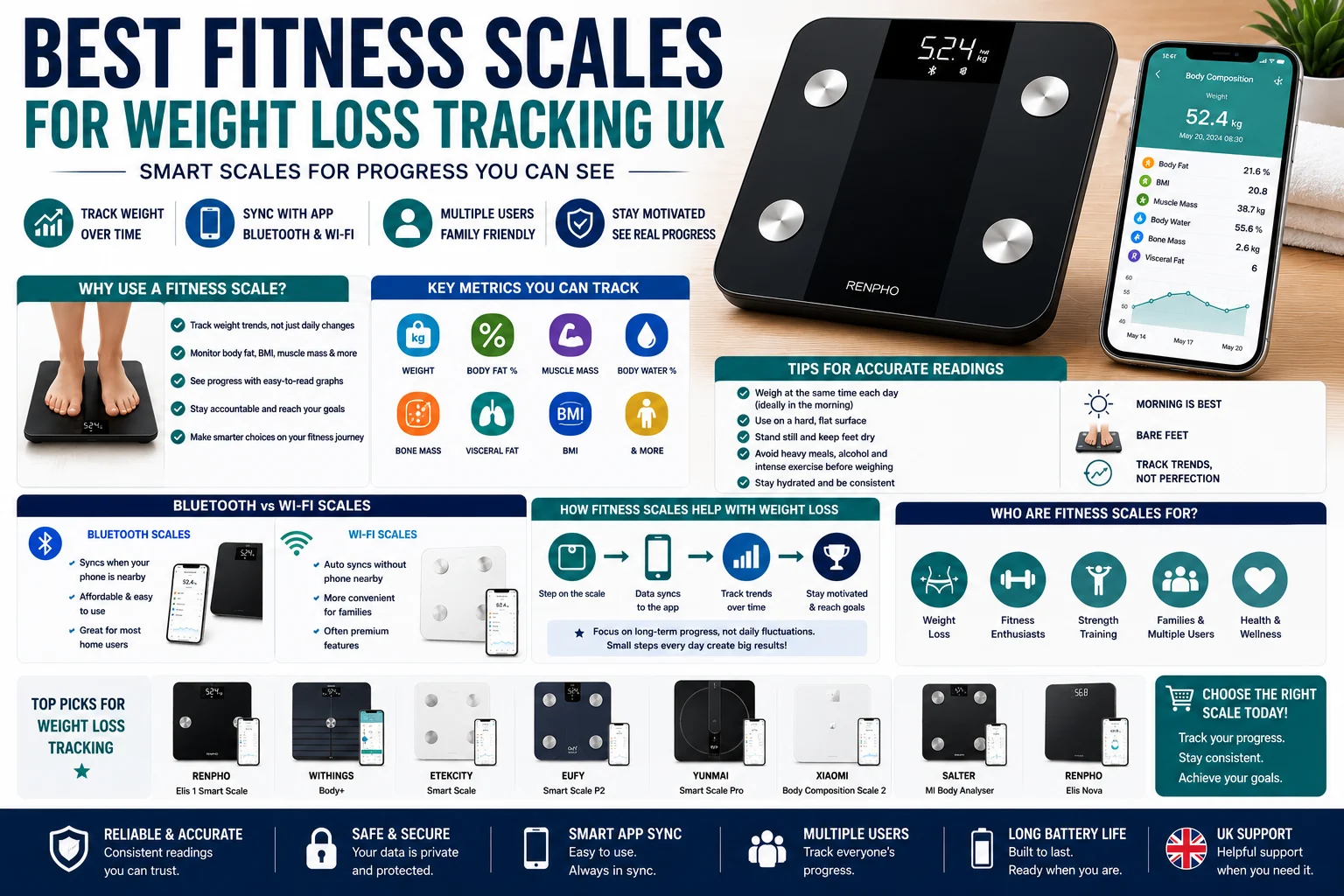
Fitness scales can be useful if you want to track weight loss, body composition and progress from home. Unlike basic bathroom scales, many smart fitness scales connect to an app and show trends over time.
This can help you understand whether your weight, estimated body fat, BMI or other body metrics are moving in the right direction. For weight loss, long-term tracking is usually more useful than reacting to one daily reading.
In this guide, we explain what to look for when choosing fitness scales for weight loss tracking in the UK and how to use them properly for better progress monitoring.
What are fitness scales?
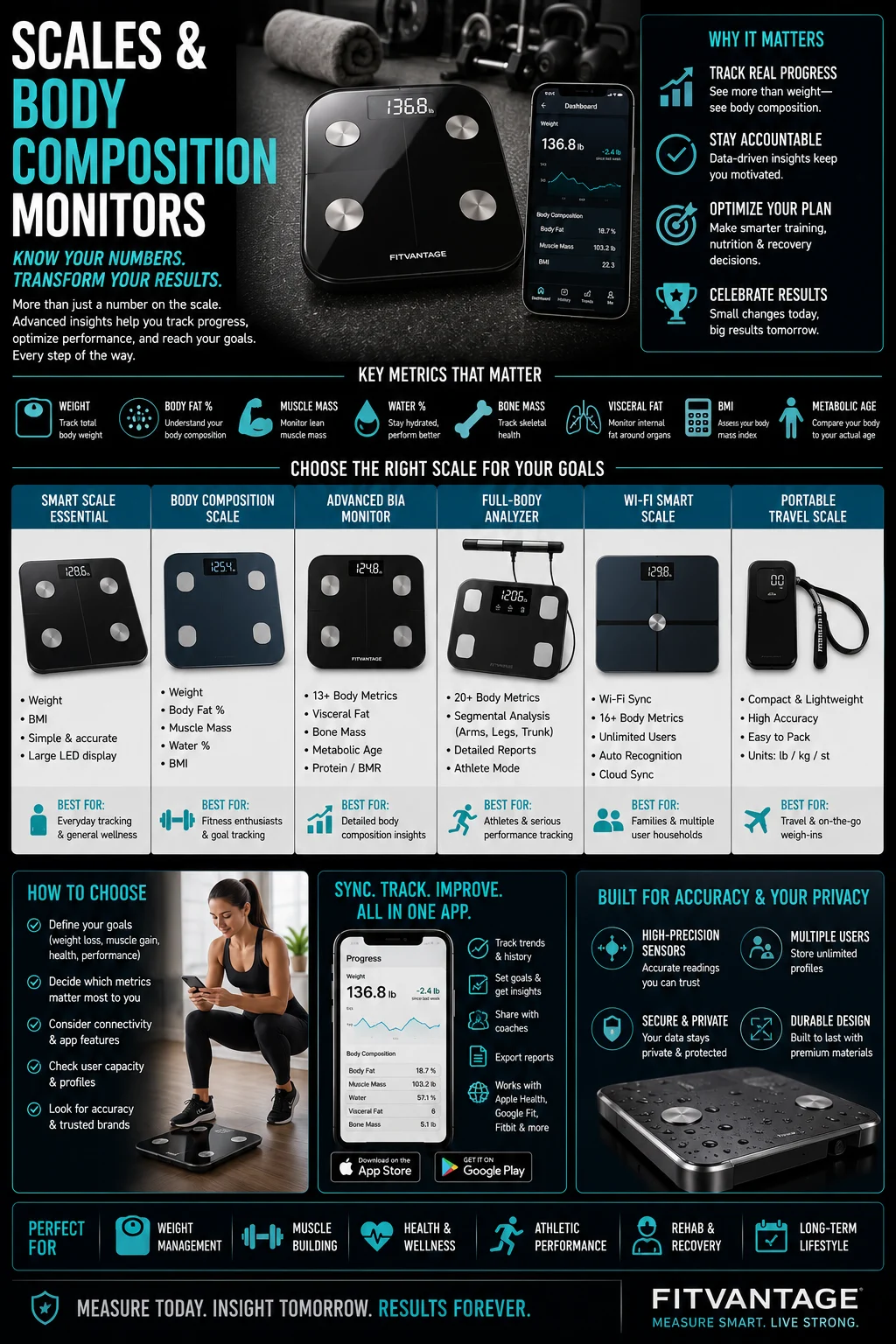
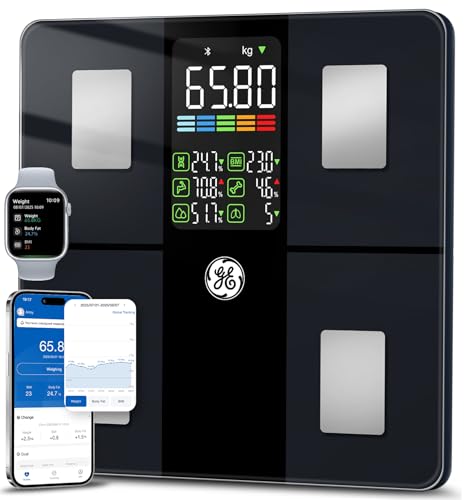
Fitness scales are digital scales designed to support health, fitness and weight tracking goals. Many models measure body weight and estimate extra metrics such as body fat percentage, BMI, muscle mass and body water.
Some fitness scales also connect to an app using Bluetooth or Wi-Fi, allowing you to track progress history, graphs and trends over time.
Who should buy fitness scales?
Fitness scales can be useful for anyone working on weight loss, fat loss, strength training, body composition changes or general fitness habits.
They are especially useful if you want more context than a normal bathroom scale provides. Instead of only seeing today’s weight, you can look at progress over several weeks or months.
What to look for in fitness scales
When choosing fitness scales, look for consistent readings, app tracking, body composition metrics, Bluetooth or Wi-Fi connectivity, multiple user profiles and a clear display.
The best fitness scale should be easy to use regularly. A scale with too many confusing numbers may be less useful than a simpler model with reliable app tracking and clear progress trends.
Best fitness scales for weight loss
For weight loss, choose a fitness scale that tracks weight trends clearly and stores your history in an app. This can help you avoid overreacting to normal daily changes caused by food, water and exercise.
A good weight loss scale should make it easy to see whether your general trend is moving down over time, even if individual days fluctuate.
Best fitness scales for body fat tracking
Many fitness scales estimate body fat percentage using bioelectrical impedance analysis, often called BIA. This can give extra context during weight loss because body weight alone does not show what is changing.
However, body fat readings from home scales are estimates. Use them to follow trends, not as exact medical measurements.
Best fitness scales for BMI tracking
Most smart fitness scales can calculate BMI using your height and weight. BMI can be a simple starting point for general weight tracking, but it does not show body composition.
For example, two people can have the same BMI but different levels of muscle and body fat. That is why many people prefer scales that also estimate body fat and muscle mass.
Best fitness scales for app tracking
App tracking is one of the most useful features of a fitness scale. It saves your measurements automatically and shows progress through graphs or history logs.
This makes it easier to stay consistent because you can see the bigger picture instead of focusing only on one weigh-in.
Bluetooth vs Wi-Fi fitness scales
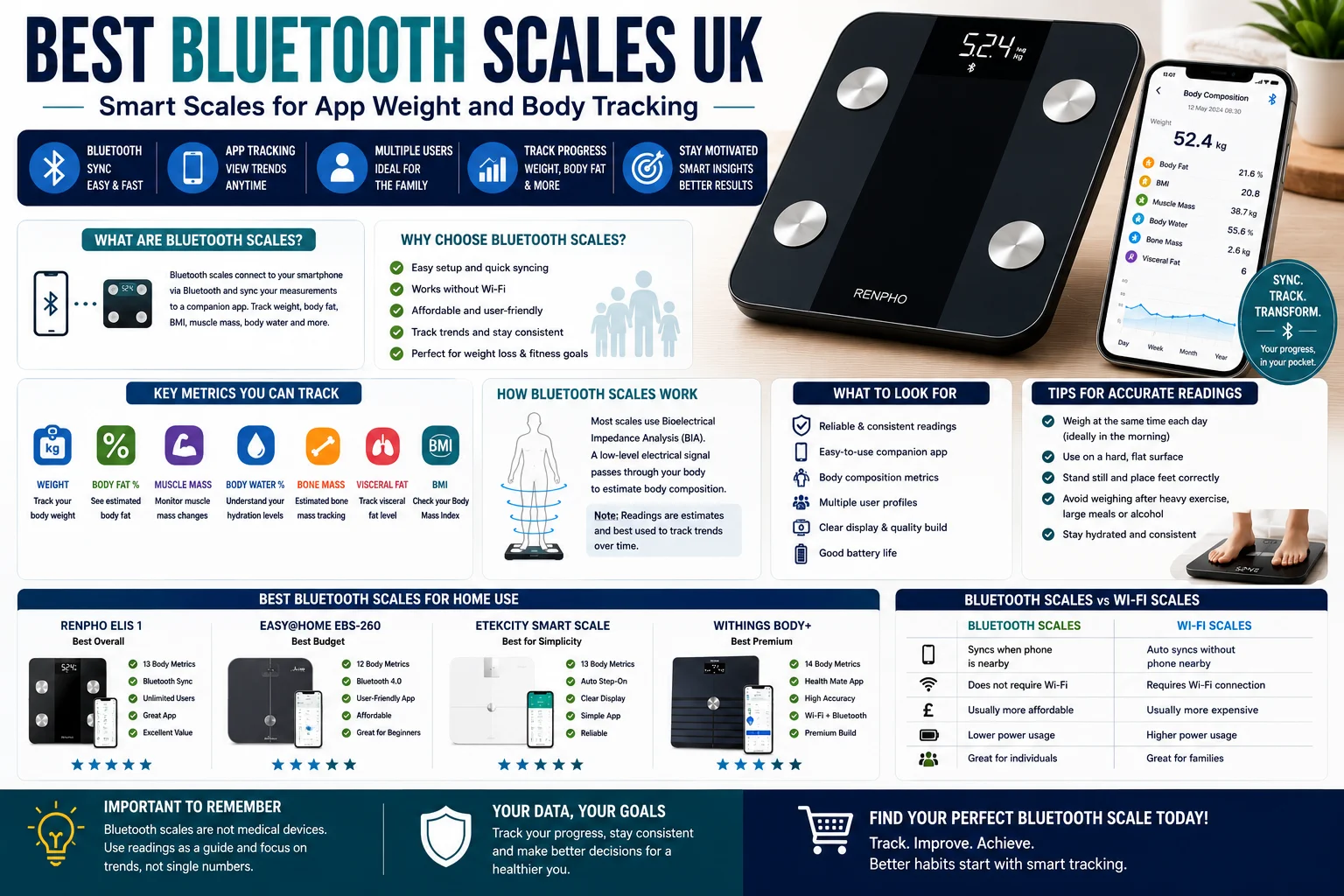
Bluetooth fitness scales usually sync readings when your phone is nearby. They are often affordable and simple to use.
Wi-Fi fitness scales can usually sync automatically without your phone next to the scale. This can be more convenient if multiple people use the scale or you want automatic tracking.
Fitness scales vs normal bathroom scales
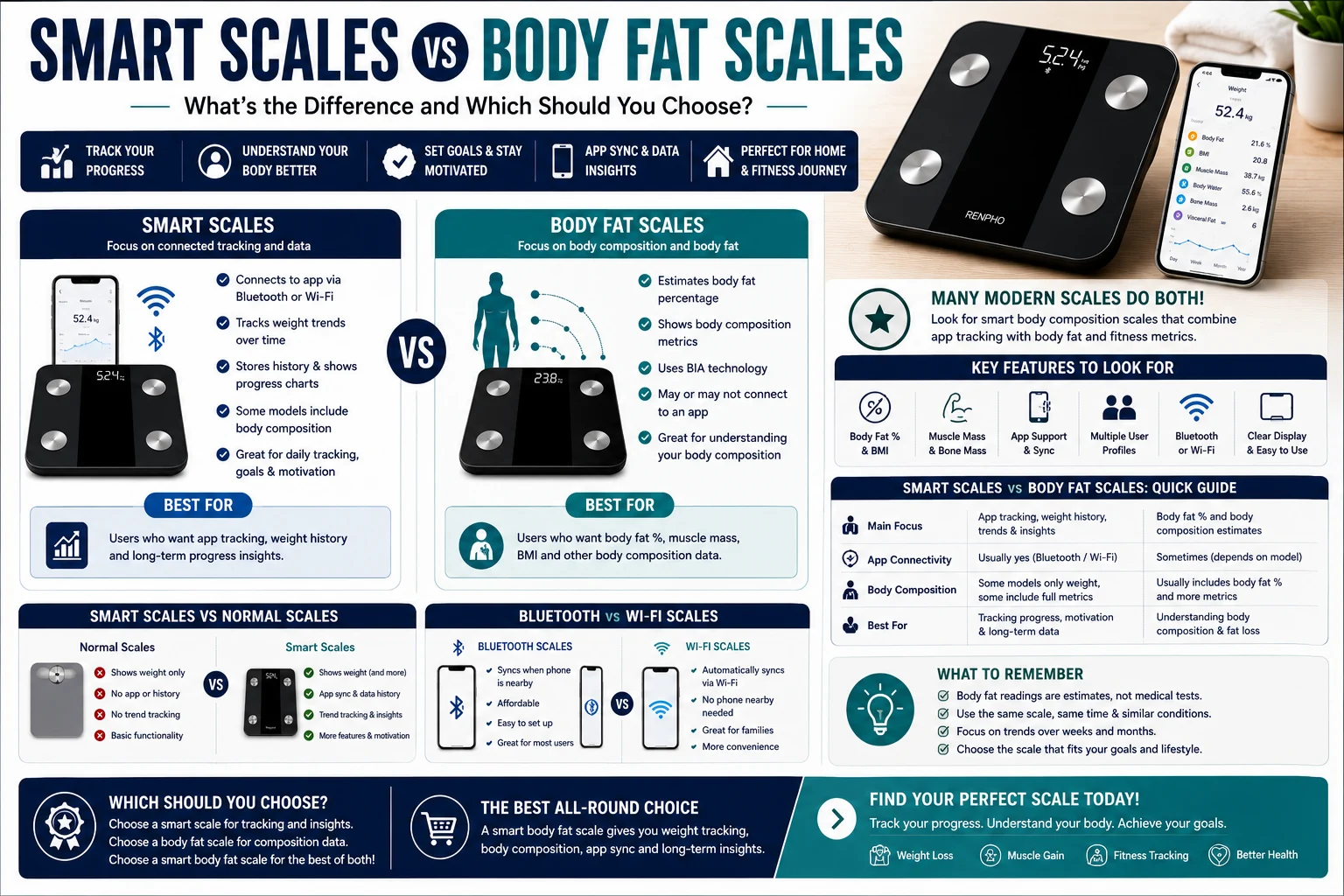
A normal bathroom scale only measures body weight. A fitness scale may track body weight, app history, body fat, BMI, muscle mass and other body composition metrics.
If you only want a basic weight reading, a normal scale may be enough. If you want progress tracking and more fitness data, a smart fitness scale is more useful.
Are fitness scales accurate?
Fitness scales are usually useful for tracking weight trends, but body composition readings are estimates. Body fat, muscle mass and body water readings can change because of hydration, food intake, exercise and time of day.
The best way to use fitness scales is to measure consistently and focus on the trend over weeks and months.
How often should you weigh yourself for weight loss?
Some people weigh themselves daily, while others prefer weekly tracking. Both can work, but the key is to avoid overreacting to single readings.
If daily weigh-ins make you feel stressed, weekly tracking may be better. If you like data and understand normal fluctuations, daily tracking can help show clearer long-term trends.
Best time to use fitness scales
For more consistent readings, many people use fitness scales in the morning before eating. This helps reduce variation from food, drink and daily activity.
Try to use the same scale, on the same hard floor, at the same time of day. Consistency matters more than chasing a perfect reading.
How to get better weight loss tracking results
To get better tracking results, use your scale as one part of your progress system. Combine scale data with measurements, progress photos, workout performance, clothing fit and general energy levels.
This gives a more complete picture than relying on weight alone.
Common mistakes when using fitness scales
One common mistake is judging progress from one reading. Weight can rise or fall temporarily because of water, salt, food, exercise or hormones.
Another mistake is treating body fat estimates as exact. These readings can be useful, but they should be interpreted as trends rather than precise measurements.
Are fitness scales good for families?
Fitness scales can be good for families if they include multiple user profiles. This allows each person to track their own progress separately.
If several people will use the same scale, app quality and user recognition are important features to check.
Final thoughts
The best fitness scales for weight loss tracking are consistent, easy to use and supported by a clear app. They help you monitor weight trends, body fat estimates, BMI and other useful progress markers from home.
For most people, a smart body composition scale is the best option because it combines weight tracking with app history and extra fitness metrics. Use it consistently, focus on long-term trends and avoid reacting too strongly to daily fluctuations.