Introduction
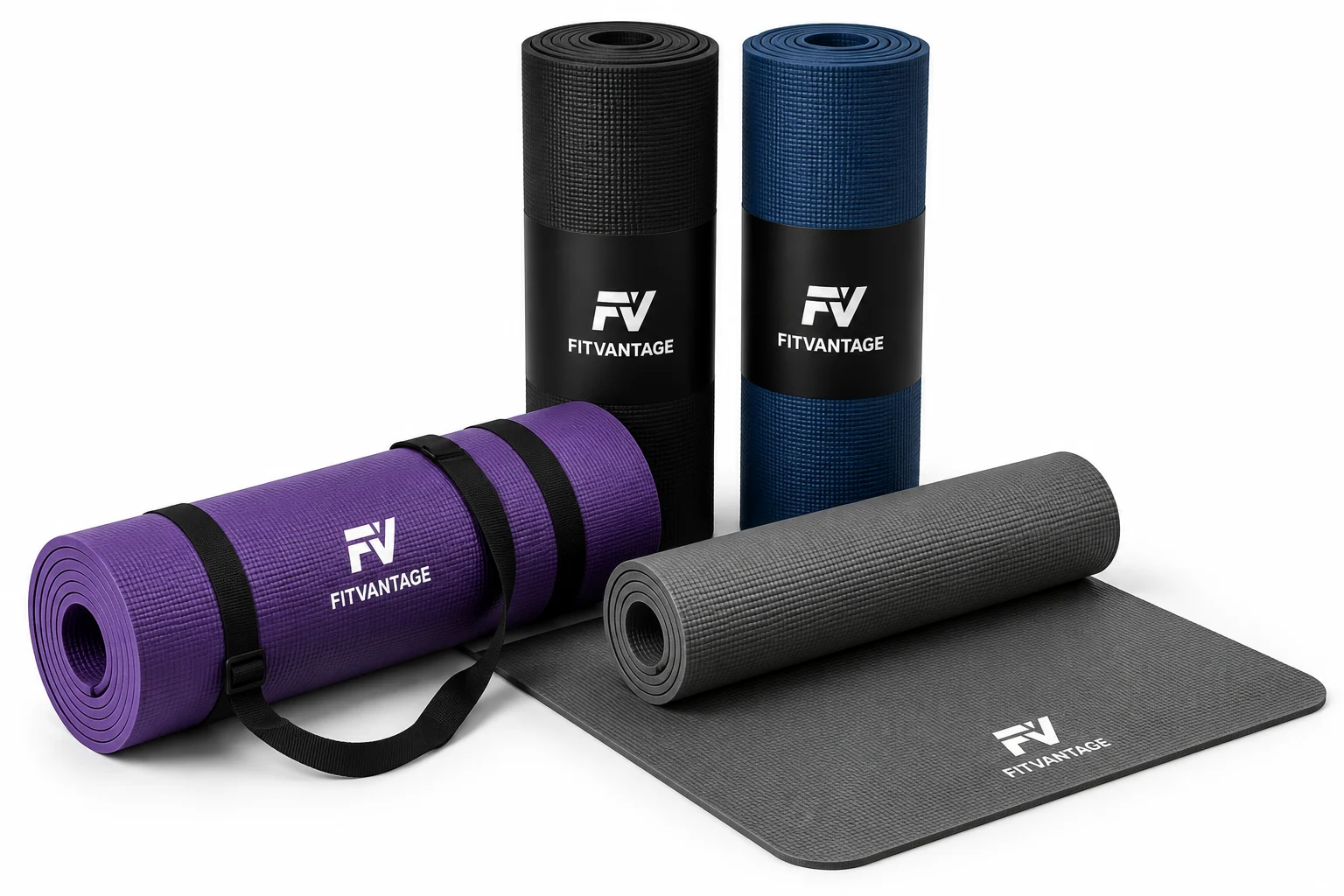
Choosing your first yoga mat can feel confusing because there are many different sizes, materials, thicknesses and grip levels. For beginners, the best yoga mat is usually simple, comfortable, non-slip and easy to clean.
You do not need the most expensive mat when you are starting yoga. A good beginner yoga mat should help you feel stable, protect your knees and wrists, and make home practice more comfortable.
In this guide, we explain what to look for when buying a beginner yoga mat in the UK and how to choose the right option for yoga, Pilates, stretching and home workouts.
What makes a good yoga mat for beginners?
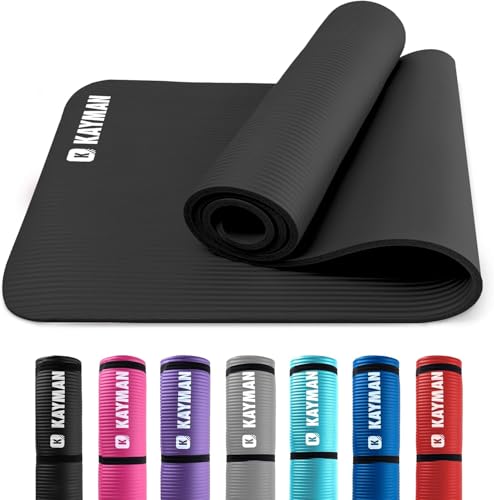
A good beginner yoga mat should offer a balance of comfort, grip and stability. It should be soft enough to support your joints but firm enough to help you stay balanced during standing poses.
Beginners usually benefit from a mat that is not too thin, not too thick and not too slippery. A medium-thickness non-slip mat is often the safest starting point.
Who should buy a beginner yoga mat?
A beginner yoga mat is useful for anyone starting yoga at home, joining a class, doing Pilates, stretching after workouts or trying floor-based exercises.
It can also be useful if you want a cleaner and more comfortable surface than training directly on carpet, wood, tile or laminate flooring.
What to look for in a beginner yoga mat
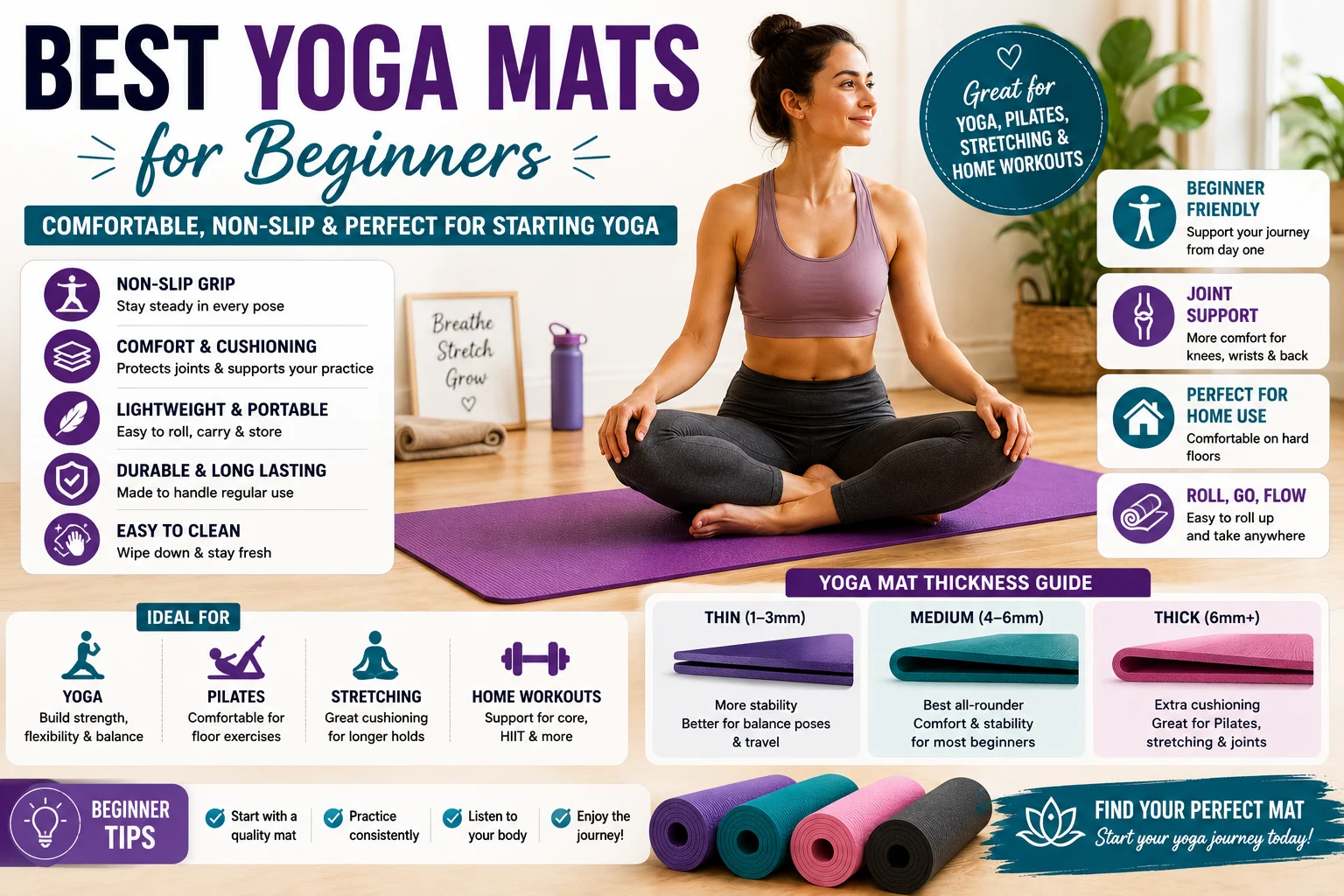
When choosing a yoga mat for beginners, look for grip, cushioning, size, weight, durability and ease of cleaning. The mat should feel comfortable under your hands, knees and feet.
If you are practising at home, a slightly thicker mat may be more comfortable. If you are carrying the mat to classes, a lighter mat may be easier to transport.
Best thickness for beginner yoga mats
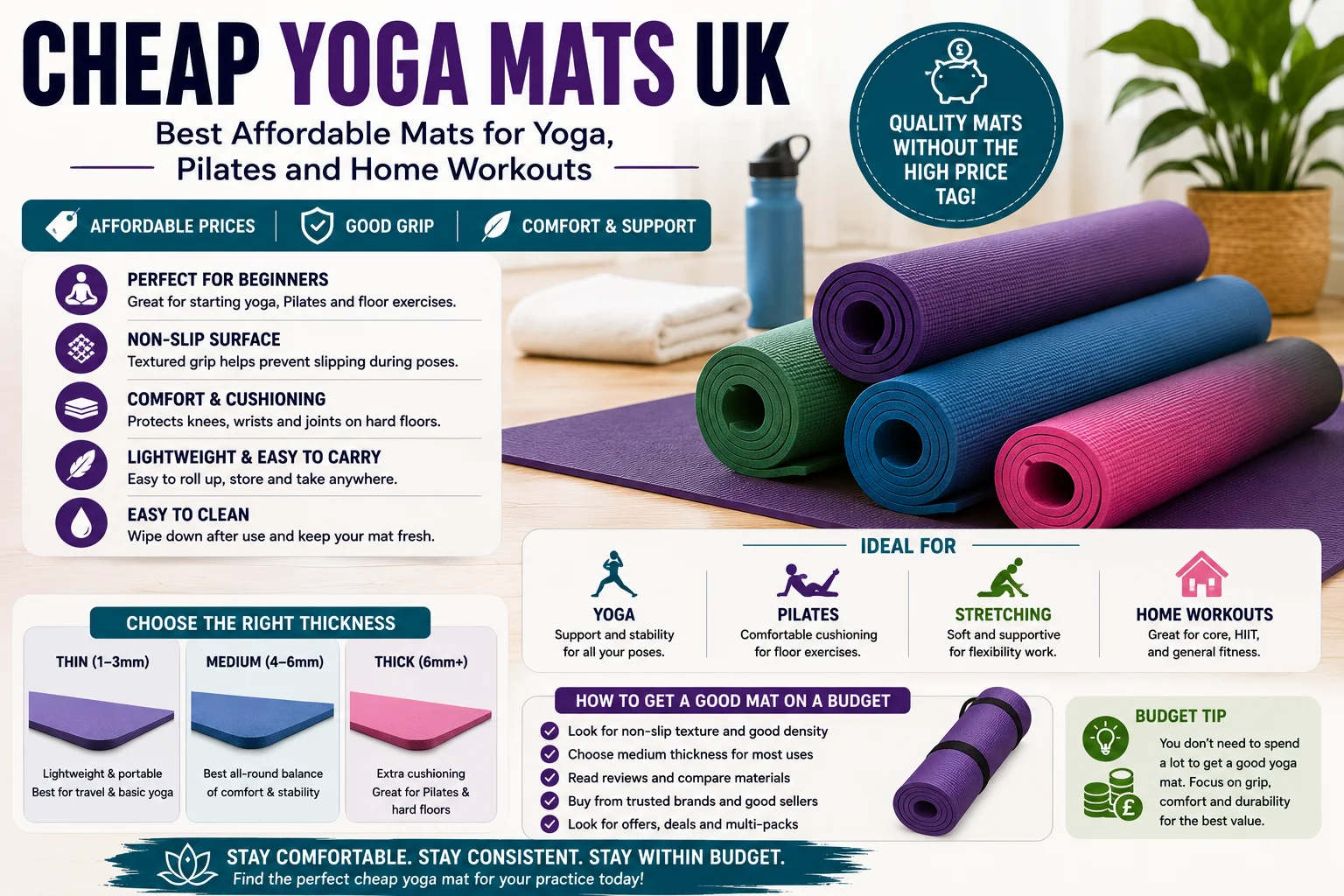
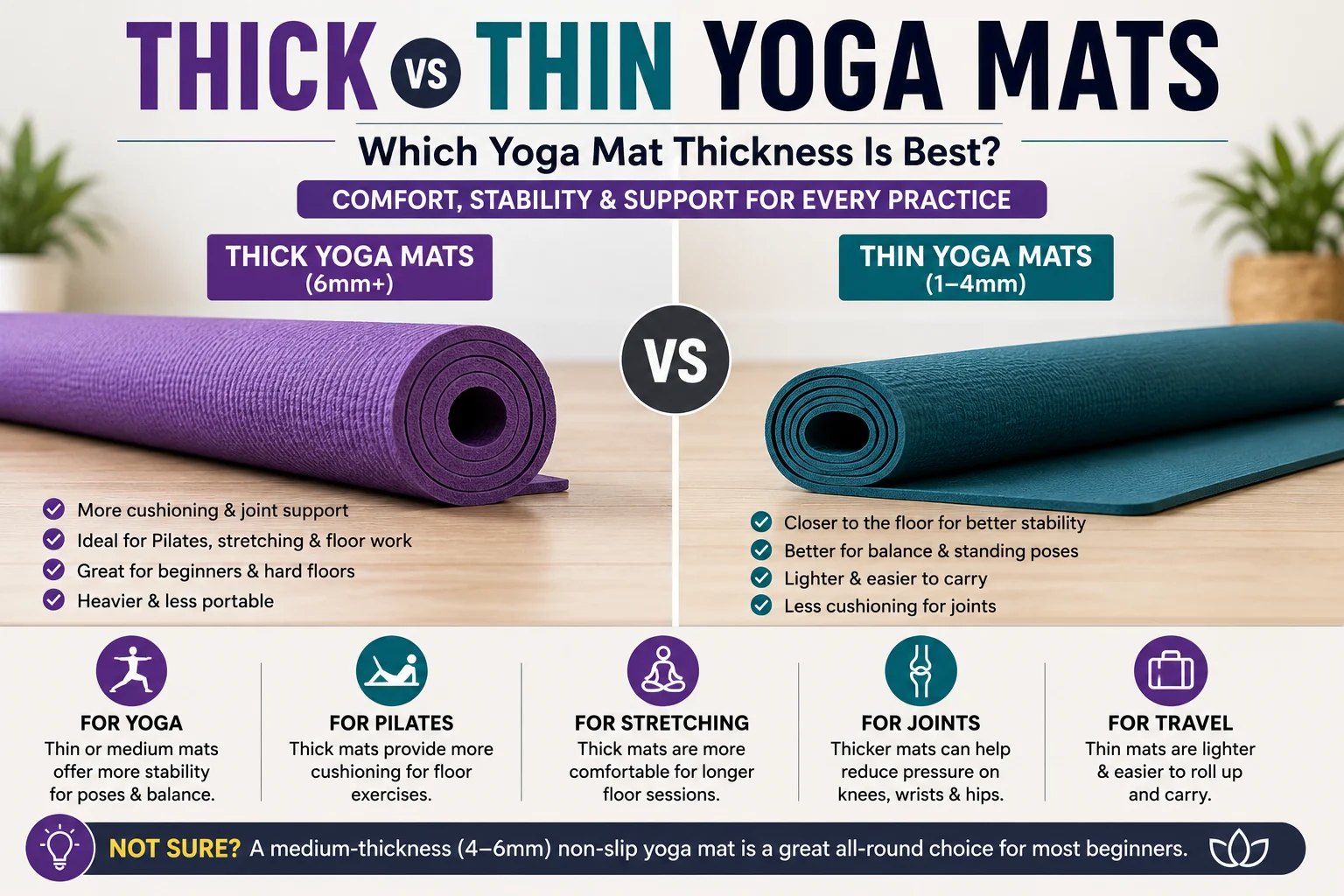
For most beginners, a medium-thickness yoga mat is a good choice. It gives enough cushioning for knees and wrists while still feeling stable for standing poses.
Very thin mats can feel uncomfortable on hard floors, while very thick mats can feel soft or unstable during balance work.
Best non-slip yoga mats for beginners
Grip is one of the most important features for beginners. A non-slip yoga mat can help stop your hands and feet from sliding during poses, planks, lunges and stretching.
Look for a textured surface and good floor contact. If your mat slips on the floor, it can make basic movements feel harder than they need to be.
Best beginner yoga mats for home workouts
If you are using your yoga mat at home, choose one that is comfortable, easy to roll away and simple to clean. A mat with enough cushioning can make floor exercises more comfortable on hard flooring.
For home workouts, you may also want a mat that works for stretching, Pilates, core exercises and bodyweight training as well as yoga.
Best beginner yoga mats for Pilates
Pilates usually involves more floor-based movement, so beginners may prefer a mat with more cushioning. This can help support the spine, hips and knees during exercises.
However, the mat should still feel firm enough to allow controlled movement. If it is too soft, balance and stability may feel harder.
Cheap vs premium beginner yoga mats
Cheap yoga mats can be good enough when you are starting out. They are usually suitable for basic yoga, stretching and casual home workouts.
Premium mats may offer better grip, stronger materials, improved durability and a more comfortable feel. If you practise regularly, upgrading later may be worthwhile.
What size yoga mat should beginners choose?
Most standard yoga mats are suitable for beginners. The key is to make sure the mat gives you enough room for basic poses, stretching and floor exercises.
If you are taller or want more space, you may prefer a longer or wider mat. For small rooms or travel, a standard lightweight mat may be easier to manage.
How to clean a beginner yoga mat
Most beginner yoga mats can be wiped down with a damp cloth after use. Some mats can be cleaned with a mild mat spray or gentle cleaning solution, but always check the product instructions first.
Let the mat dry fully before rolling it up. This helps keep it fresh and reduces odour after sweaty workouts.
Common beginner mistakes when buying a yoga mat
One common mistake is choosing a mat only because it is cheap. Price matters, but grip and comfort are more important if you want to enjoy using the mat regularly.
Another mistake is choosing a mat that is too thick and soft. Extra cushioning can feel comfortable, but too much softness can make balance poses harder.
Final thoughts
The best yoga mat for beginners is comfortable, non-slip, easy to clean and suitable for the way you plan to train. For most people, a medium-thickness mat is the best starting point.
If you are mainly doing yoga, prioritise grip and stability. If you are doing Pilates, stretching or floor workouts, choose a mat with slightly more cushioning.